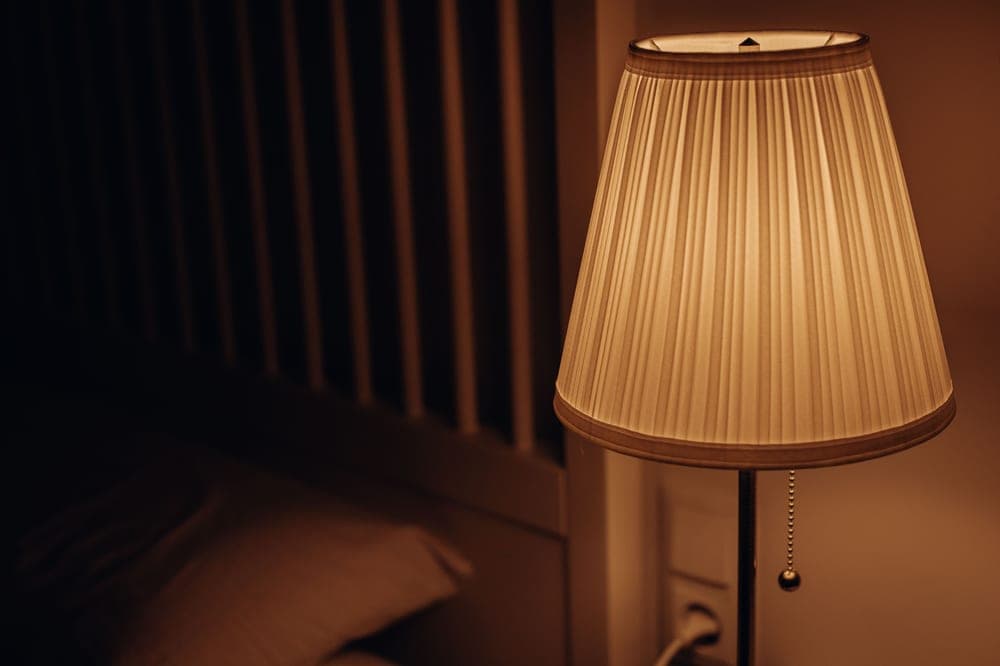
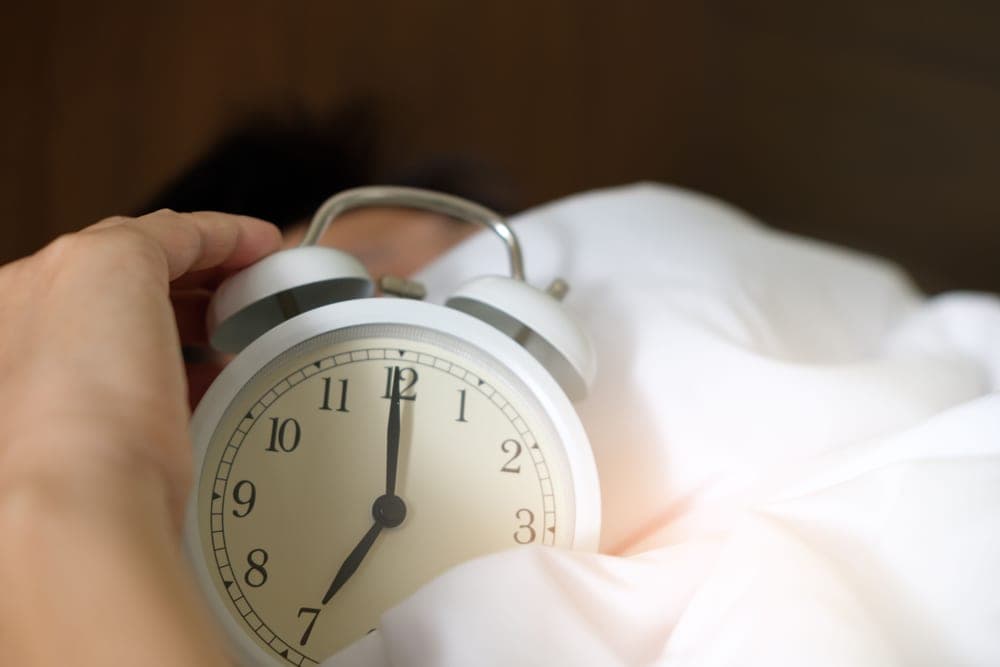
A sunrise alarm wakes you with light instead of noise. Thirty-ish minutes before your alarm time, the lamp starts at a dim red-orange and brightens steadily towards white, so you surface gradually rather than being yanked out of sleep by a sound. When it works, it is the nicest way to wake up that money can buy. When it does not work, it is because of one specification.
Brightness is the spec. Everything else is a feature.
A sunrise alarm has to put enough light onto your closed eyelids to register. If it cannot, it does not matter how many colors it has, how good its app is or how gradual its ramp is - you will sleep through it and then be woken by the backup sound, which defeats the entire purchase.
This is where the cheap units lose. They have the same colored-ramp feature list and materially less light output. Optimize Your Biology, which measured a field of sunrise alarms with a light meter, reports that quality units put roughly 275 to 395 lux at 18 inches from a panel of LEDs aimed at the pillow. That measurement is theirs, not ours - we do not own a light meter and will not pretend otherwise - and it is the most useful published number in this category.
The practical implication: if you are a heavy sleeper, buy for brightness and treat everything else as a bonus. The heavy-sleeper roundup goes into this properly.
Does waking up with light actually work?
Light is the main signal your body clock uses to know what time it is. The 2022 consensus recommendations in PLOS Biology put the daytime target at a minimum of 250 melanopic lux at the eye, with a maximum of 10 in the three hours before bed and no more than 1 during sleep. A sunrise alarm is essentially an attempt to deliver the morning end of that in a bedroom that is too dark to supply it naturally.
Two honest qualifications. First, that guidance is about light exposure generally, not an endorsement of any product. Second, whether waking to light feels better than waking to sound is genuinely personal - some people love it and some people find it does nothing at all. The cheap unit on our list exists so you can find out which you are without spending much.
Ramp duration matters more than you would think
The second-most-important spec, and the one premium units differentiate on. A thirty-minute ramp from deep orange to bright white is the common default. A longer, slower ramp suits light sleepers who find even gentle brightening abrupt; a shorter one suits people who would otherwise sleep through the early part anyway.
A sunset ramp - fading to dark over a set period in the evening - is the feature most under-sold in this category. It is genuinely useful, and it is the half of the product that matters if your problem is falling asleep rather than waking up.
The screen problem
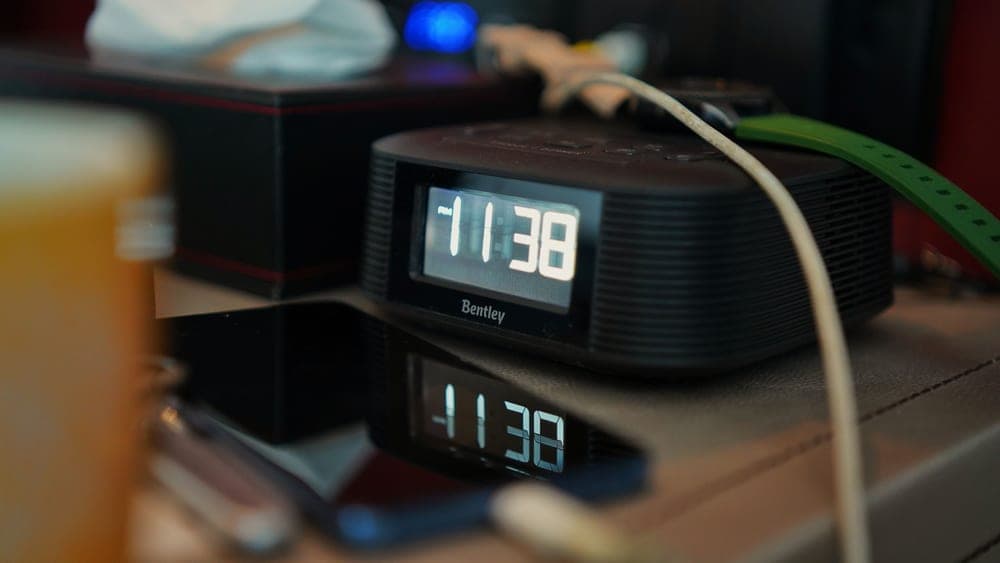
Every one of these devices is a lit object beside your bed all night. Display dimming is therefore a real specification, not a nicety. A clock that cannot dim below a certain brightness is adding a light-pollution problem to a bedroom while solving a wake-up problem - and per the PLOS Biology figures, you want under about 1 melanopic lux at the eye while you are actually asleep.
The units with twenty-step dimming or a genuine off setting are worth the premium for that reason alone. If you cannot make yours dark enough, the guide to making a bedroom dark covers the workarounds.
Who should not buy one
- People who sleep with the curtains open. You already have a sunrise. Save the money.
- Anyone whose real problem is going to bed too late. No lamp fixes a five-hour night, and a sunrise alarm on insufficient sleep is a gentler way to be exhausted.
- Day sleepers. If you sleep through the day, you need less light, not more - the night shift guide is the right page.
- People who need to be somewhere at a fixed time and cannot risk it. Use a sunrise alarm with its backup sound enabled, or keep a conventional alarm as well, until you know it wakes you reliably.
How we chose
We compared the specifications that decide the outcome: peak brightness, adjustable ramp duration in both directions, the number of usable display-dimming steps, whether an app or subscription is required for basic function, backup sound options, and footprint. We credited published measurements where they exist and named who made them. We ruled out anything we could not verify as currently sold.