
How this page is funded: we earn a commission if you buy through the links below, at no extra cost to you. As an Amazon Associate we earn from qualifying purchases. It does not change which products we pick or the order they appear in. Full disclosure.
How these picks were made: by comparing published specifications and clearly-credited public reporting. We do not run a laboratory, we have not measured these products, and we do not claim to have slept with them. Here is exactly how we choose.
Try the smart bulb first. If you already own one, it is a free test of the entire concept, and for a lot of people it is also the permanent answer. Buy the dedicated device if the bulb’s ramp is too coarse, if it is in the wrong place, or if you want the alarm to be reliable without a network.
What a smart bulb gets right
Most smart bulb ecosystems include a wake-up or sunrise routine that fades the bulb up over a set period. Functionally that is the same idea as a sunrise alarm, and it has three real advantages: you probably already own it, the bulb sits in a ceiling or lamp fitting that may be better placed than a nightstand, and a bright ceiling bulb can put more total light into a room than a small bedside unit.
If you have a bulb, set a twenty-to-thirty minute fade before your alarm tonight. It costs nothing and it answers the question of whether light waking works on you.
The three ways it falls down
1. The ramp is usually coarser
Dedicated sunrise alarms fade smoothly from deep orange through amber to white across a large number of steps. A lot of bulbs move in visible increments, and a visible step-change in brightness is closer to being switched on than to waking naturally. Some ecosystems do this well; many do not.
2. Reliability depends on your network
This is the important one. A smart bulb routine depends on a hub, a network, a cloud service and firmware that updates itself without asking. A dedicated device with a physical dial has none of those dependencies. If missing the alarm has consequences, that difference matters more than the light quality does.
3. Position
Sunrise alarms work best at pillow height on the side you face - a point we make on the heavy-sleeper page. A ceiling bulb is a long way from your face and much of its output never reaches your eyes. A bulb in a bedside lamp solves this, a ceiling fitting largely does not.
Side by side
| Smart bulb | Sunrise alarm clock | |
|---|---|---|
| Cost if you own one | Free | Mid to high |
| Ramp smoothness | Varies, often stepped | Smooth, many levels |
| Depends on a network | Yes | No |
| Position relative to your face | Wherever the fitting is | Pillow height, adjustable |
| Backup sound | Only via a speaker | Built in |
| Total light output | Potentially higher | Focused where it matters |
| Sunset fade | Yes, usually | Yes |
The hybrid worth knowing about
If you already run smart bulbs, the strongest and cheapest setup is often: a bulb in a bedside lamp doing the sunrise fade, plus a conventional alarm as the backup. You get the light where it matters and you are not relying on the network to get you to work.
That is also a good arrangement if you sleep in earplugs and want the light wake-up for the reasons set out on earplugs that still let you hear your alarm.
The bulb wins on one thing outright
Evening light. The 2022 PLOS Biology consensus recommendations suggest keeping melanopic illuminance under about 10 lux in the three hours before bed, and under 1 during sleep. Smart bulbs can dim and warm every light in the room on a schedule, which a single bedside device cannot. If your evenings are the problem rather than your mornings, the bulbs are the better investment - see how to make a bedroom dark for sleeping.
If the bulb test worked and you want the real thing
Tap any row to jump to the full write-up. The photographs are licensed stock images chosen to illustrate the category - they are not photographs of these specific products, and each one’s alt text describes what is actually shown.
| # | Product | Best for | The spec that decides it | Price |
|---|---|---|---|---|
| 1 | 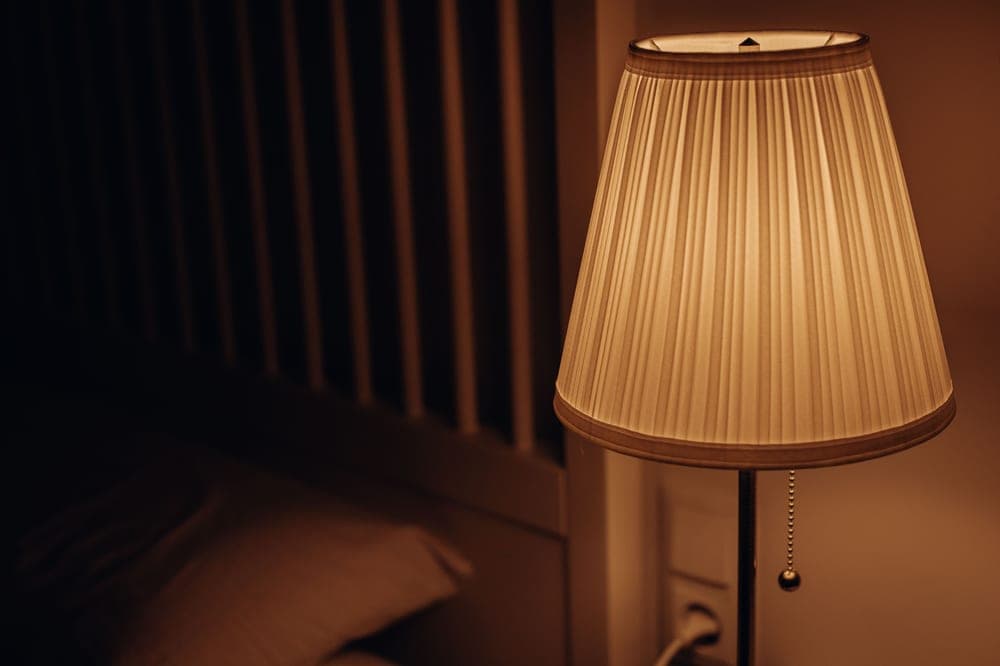 Philips SmartSleep Wake-Up Light HF3520The reference sunrise. No account, no app, no monthly fee - a dial, twenty brightness steps, and a light that ramps properly. | Sunrise quality with no app and no subscription | 20 light-intensity settings, no app or subscription | |
| 2 | 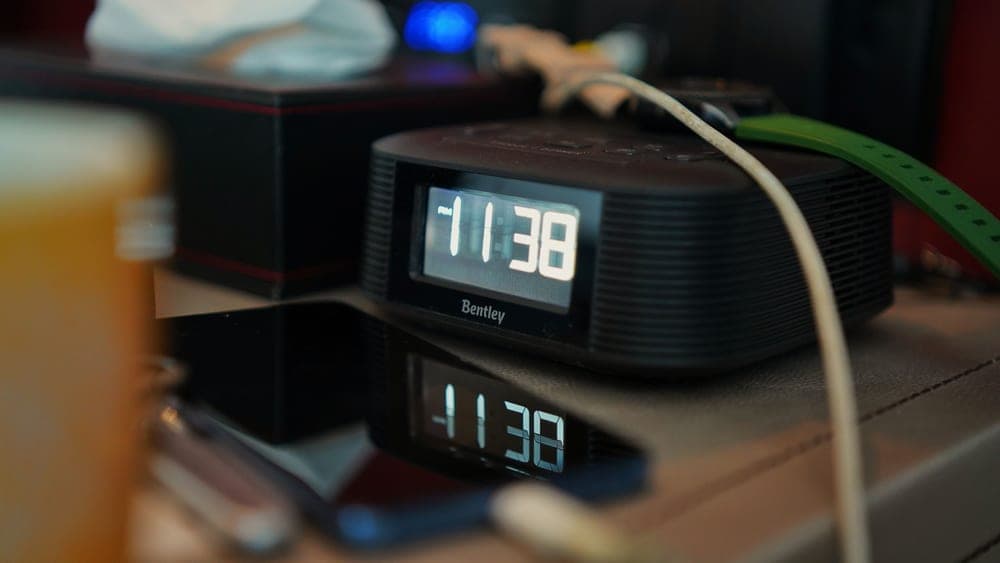 Hatch Restore 3The most complete bedside device of the group - sunrise, wind-down, sound library and alarms in one - and the only one with a subscription attached. | One device for the whole bedtime routine | Roughly 30-minute sunrise, deep orange through to bright white |
We have no live price feed for this site yet, so every button reads “Check price on Amazon” rather than showing a number that could be out of date. As an Amazon Associate we earn from qualifying purchases.
Our top pick · Sunrise quality with no app and no subscription
1. Philips SmartSleep Wake-Up Light HF3520
The reference sunrise. No account, no app, no monthly fee - a dial, twenty brightness steps, and a light that ramps properly.
- Light settings:
- 20 intensity levels
- Sunrise:
- Colored sunrise simulation before the alarm
- Sound:
- Natural wake-up sounds plus FM radio
- Account:
- None required
What it gets right
- Nothing to sign up for and nothing to update - it is an appliance
- Twenty brightness steps means you can actually find a comfortable display level
- Long-standing design with a well-understood service life
Where it falls short
- No app, so scheduling is manual
- The sound library is small and dated
- Larger footprint than the smart units
Skip it if: You want a sound machine and a sunrise in one device. This is a light first and foremost.
Pick 2 · One device for the whole bedtime routine
2. Hatch Restore 3
The most complete bedside device of the group - sunrise, wind-down, sound library and alarms in one - and the only one with a subscription attached.
- Sunrise:
- Gradual ramp beginning around 30 minutes before the alarm
- Color path:
- Deep orange warming to bright white
- Sound:
- Built-in sound library plus alarm tones
- App:
- Required for setup; premium library is subscription-gated
What it gets right
- Sunrise, wind-down and sound machine in a single footprint
- The app makes complex schedules genuinely easy to set
- The display dims properly, unlike most clock radios
Where it falls short
- The best sound content sits behind a subscription
- App dependency: no phone, no changes
- Most expensive way to buy a sunrise
Skip it if: You resent subscriptions. The Philips does the light half with no account at all.
Questions people actually ask
Can a smart bulb work as a sunrise alarm?
Yes - most smart bulb ecosystems include a wake-up routine that fades the bulb up over a set period, which is the same idea. It is the cheapest possible test of whether light waking works on you, and for many people it is also the permanent answer.
Is a sunrise alarm clock better than a smart bulb?
It ramps more smoothly, sits at pillow height where the light actually reaches your eyes, has a built-in backup sound, and does not depend on a network or a cloud service. A ceiling bulb loses most of its output before it reaches your face.
Are smart bulb wake-up routines reliable?
They depend on a hub, a network, a cloud service and automatic firmware updates. That is fine for a nice-to-have and less fine if missing the alarm has consequences. Keep a conventional backup alarm if you rely on it.
Where should I put a smart bulb for a sunrise routine?
In a bedside lamp rather than a ceiling fitting, on the side you face when you sleep. Position matters as much as brightness - a bright bulb across the room is a dim one by the time the light reaches your eyelids.
Are smart bulbs better for evening light?
Yes, and this is where they win outright. The 2022 PLOS Biology recommendations suggest keeping light under about 10 melanopic lux in the three hours before bed, and bulbs can dim and warm every light in the room on a schedule. A single bedside device cannot.
Sources
- Brown TM et al. Recommendations for daytime, evening and nighttime indoor light exposure to best support physiology, sleep and wakefulness in healthy adults. PLOS Biology, 2022.
- Harvard Health Publishing - Blue light has a dark side.
- Optimize Your Biology - Best Sunrise Alarm Clocks 2026 (independent light-meter measurements, theirs not ours).
Back to the best sunrise alarm clocks.
Read next
- Sunrise alarm vs SAD lampThe other lamp people confuse this with.Read it
- How to make a bedroom dark for sleepingWhere smart bulbs genuinely earn their place.Read it
- Are sunrise alarm clocks worth it?Before you spend anything at all.Read it
- Best sunrise alarm clocksIf the bulb test worked and you want better.Read it