
How this page is funded: we earn a commission if you buy through the links below, at no extra cost to you. As an Amazon Associate we earn from qualifying purchases. It does not change which products we pick or the order they appear in. Full disclosure.
How these picks were made: by comparing published specifications and clearly-credited public reporting. We do not run a laboratory, we have not measured these products, and we do not claim to have slept with them. Here is exactly how we choose.
A sunrise alarm is a wake-up device: a gradual, relatively dim ramp over half an hour while you are still asleep. A light therapy lamp is a high-intensity device used while you are awake, for a defined session, at a brightness many times greater. They are not interchangeable and neither is a cheaper version of the other.
An important boundary first
Seasonal affective disorder is a medical diagnosis, and light therapy for it is a clinical intervention with protocols around timing, intensity and duration. We are a gear site. We are not going to advise you on treating a condition, recommend a therapy schedule, or suggest that a device from any category substitutes for medical advice.
What this page does is explain the difference between two products people routinely confuse in shops, so that you buy the one you actually meant to buy. If you are considering light therapy for a mood or seasonal condition, that conversation belongs with a clinician.
The difference, plainly
| Sunrise alarm clock | Light therapy lamp | |
|---|---|---|
| Used while | You are asleep | You are awake and near it |
| Duration | A gradual ramp, roughly 30 minutes | A defined session at full output |
| Intensity | Modest - measured in the hundreds of lux at the pillow | Far higher, by design |
| Purpose | Waking up gradually | Delivering a defined dose of bright light |
| Placement | Beside the bed | On a desk or table, angled at your face |
| Also an alarm | Yes | No |
The brightness gap is the whole story
Optimize Your Biology’s light-meter testing reports quality sunrise alarms putting roughly 275 to 395 lux at 18 inches - their measurements, not ours. That is the right order of magnitude for waking someone gradually through closed eyelids at close range.
Therapy lamps operate far above that, which is why they are used at a set distance for a set time rather than left running. Running a therapy lamp on a slow overnight ramp is not how they are designed to be used, and turning a sunrise alarm up will not turn it into one.
Which one do you actually want?
You want a sunrise alarm if
- The problem is the moment of waking - it is abrupt, dark, unpleasant
- You want to stop being woken by a sound
- You wake before dawn for much of the year
- You share a bed with someone who wakes at a different time, or you sleep in earplugs
You want to talk to someone about light therapy if
- Your mood changes markedly with the seasons
- Winter affects how you function rather than just how you wake
- You are considering a therapy protocol rather than a wake-up device
Those are different problems. The second one is not a shopping decision, and we are not going to turn it into one.
Where they genuinely overlap
One thing is true of both: getting bright light early in the day is how your body clock learns what time it is. The 2022 PLOS Biology consensus recommendations set a daytime minimum of 250 melanopic lux at the eye.
The free version of that is going outside. Outdoor light even on an overcast day is dramatically brighter than any indoor lighting, which is worth knowing before you buy either device - and it is the first thing we suggest on the guide to stopping hitting snooze.
If a gradual wake-up is what you were after
Tap any row to jump to the full write-up. The photographs are licensed stock images chosen to illustrate the category - they are not photographs of these specific products, and each one’s alt text describes what is actually shown.
| # | Product | Best for | The spec that decides it | Price |
|---|---|---|---|---|
| 1 | 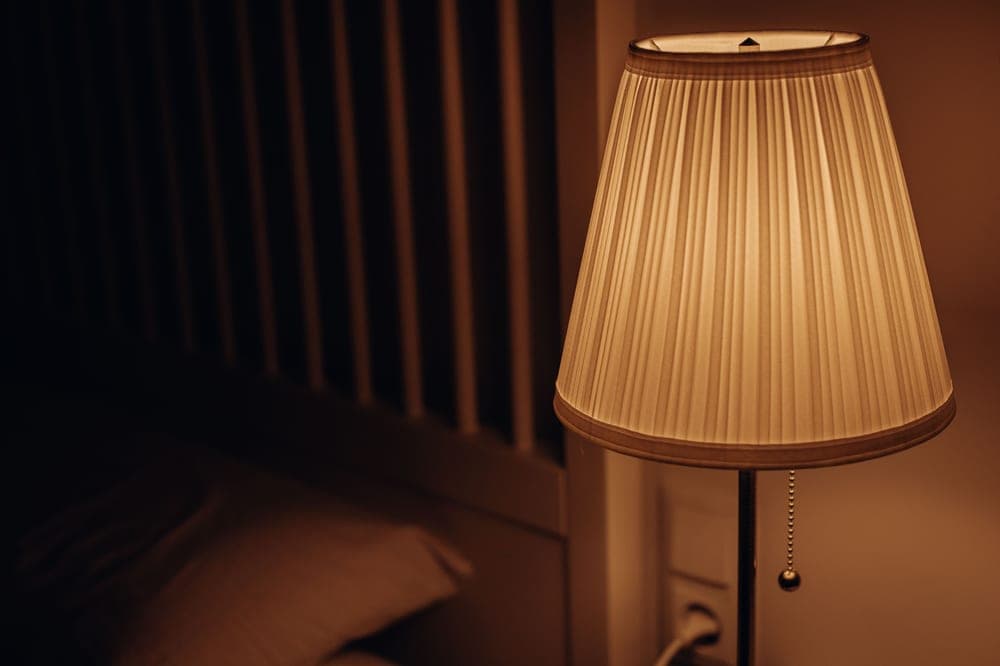 Philips SmartSleep Wake-Up Light HF3520The reference sunrise. No account, no app, no monthly fee - a dial, twenty brightness steps, and a light that ramps properly. | Sunrise quality with no app and no subscription | 20 light-intensity settings, no app or subscription | |
| 2 | 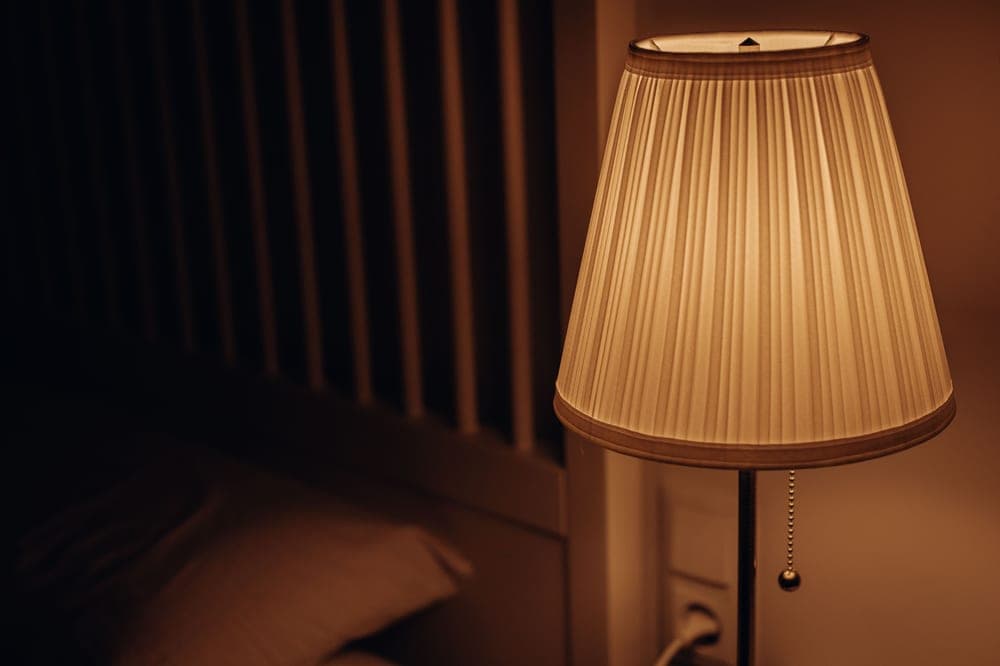 Lumie Bodyclock Shine 300The specialist's pick: adjustable ramp duration in both directions, from a manufacturer that only makes light-therapy devices. | Long, slow sunrises and a proper sunset | Adjustable sunrise and sunset durations |
We have no live price feed for this site yet, so every button reads “Check price on Amazon” rather than showing a number that could be out of date. As an Amazon Associate we earn from qualifying purchases.
Our top pick · Sunrise quality with no app and no subscription
1. Philips SmartSleep Wake-Up Light HF3520
The reference sunrise. No account, no app, no monthly fee - a dial, twenty brightness steps, and a light that ramps properly.
- Light settings:
- 20 intensity levels
- Sunrise:
- Colored sunrise simulation before the alarm
- Sound:
- Natural wake-up sounds plus FM radio
- Account:
- None required
What it gets right
- Nothing to sign up for and nothing to update - it is an appliance
- Twenty brightness steps means you can actually find a comfortable display level
- Long-standing design with a well-understood service life
Where it falls short
- No app, so scheduling is manual
- The sound library is small and dated
- Larger footprint than the smart units
Skip it if: You want a sound machine and a sunrise in one device. This is a light first and foremost.
Pick 2 · Long, slow sunrises and a proper sunset
2. Lumie Bodyclock Shine 300
The specialist's pick: adjustable ramp duration in both directions, from a manufacturer that only makes light-therapy devices.
- Sunrise:
- Adjustable duration, short through extended
- Sunset:
- Matching fade-to-dark on the same schedule
- Sound:
- Wake and sleep sounds plus radio
- Specialism:
- Light-therapy manufacturer
What it gets right
- The sunset fade is as well implemented as the sunrise, which is rare
- Duration control matters more than peak brightness for light sleepers
- No subscription
Where it falls short
- Priced with the premium units without the smart features
- US availability is patchier than Philips or Hatch
- Dated interface
Skip it if: You want app scheduling. This is a well-made physical device with physical controls.
Questions people actually ask
Is a sunrise alarm clock the same as a SAD lamp?
No. A sunrise alarm is a wake-up device - a gradual, relatively dim ramp over about thirty minutes while you are still asleep. A light therapy lamp is a much higher-intensity device used while you are awake for a defined session. Neither substitutes for the other.
Can I use a sunrise alarm clock as a SAD lamp?
It is not designed for that and is far dimmer at the intensities involved. If you are considering light therapy for a seasonal or mood condition, that is a conversation for a clinician rather than a purchasing decision, and we are not going to advise on it.
How bright is a sunrise alarm clock?
Independent light-meter testing by Optimize Your Biology reports quality units putting roughly 275 to 395 lux at 18 inches - their measurement, not ours. That is right for waking someone gradually at close range, and far below what a therapy lamp produces.
Which is better for dark winter mornings?
For the act of waking up, a sunrise alarm. For daytime light exposure generally, going outside beats both - outdoor light even on an overcast day is dramatically brighter than any indoor lighting.
Do I need both?
Most people do not. A sunrise alarm addresses how you wake; anything beyond that is a different question. If winter is affecting how you function rather than just how you get out of bed, speak to a clinician rather than buying a second lamp.
Sources
- Optimize Your Biology - Best Sunrise Alarm Clocks 2026 (independent light-meter measurements, theirs not ours).
- Brown TM et al. Recommendations for daytime, evening and nighttime indoor light exposure to best support physiology, sleep and wakefulness in healthy adults. PLOS Biology, 2022.
- Sleep Foundation - Best Sunrise Alarm Clocks.
Back to the best sunrise alarm clocks.
Read next
- What is a sunrise alarm clock?The mechanism, if you are new to the category.Read it
- Sunrise alarm vs smart bulbThe other lamp comparison worth making.Read it
- Best sunrise alarm clocksIf the wake-up device is what you wanted.Read it
- How to stop hitting snoozeIncluding the free morning-light fix.Read it