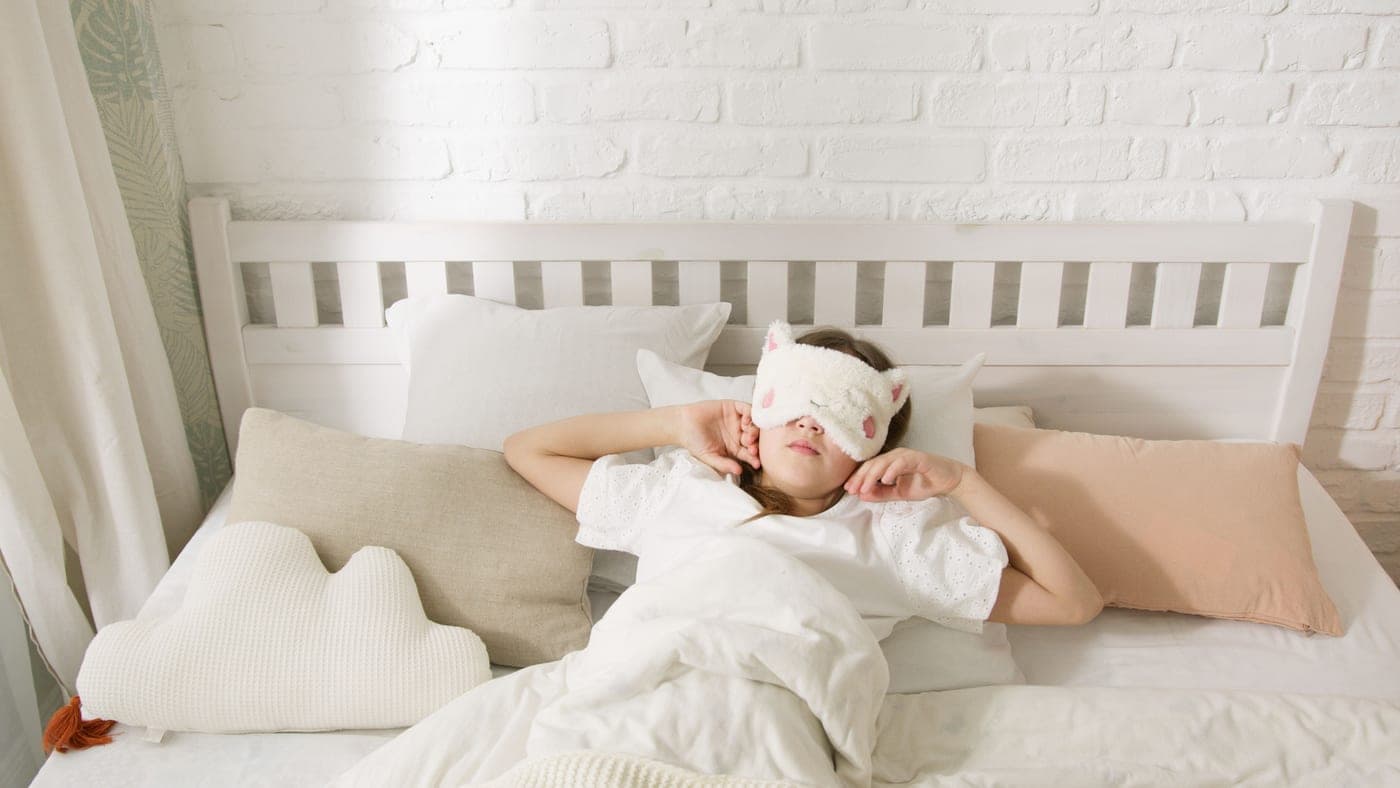
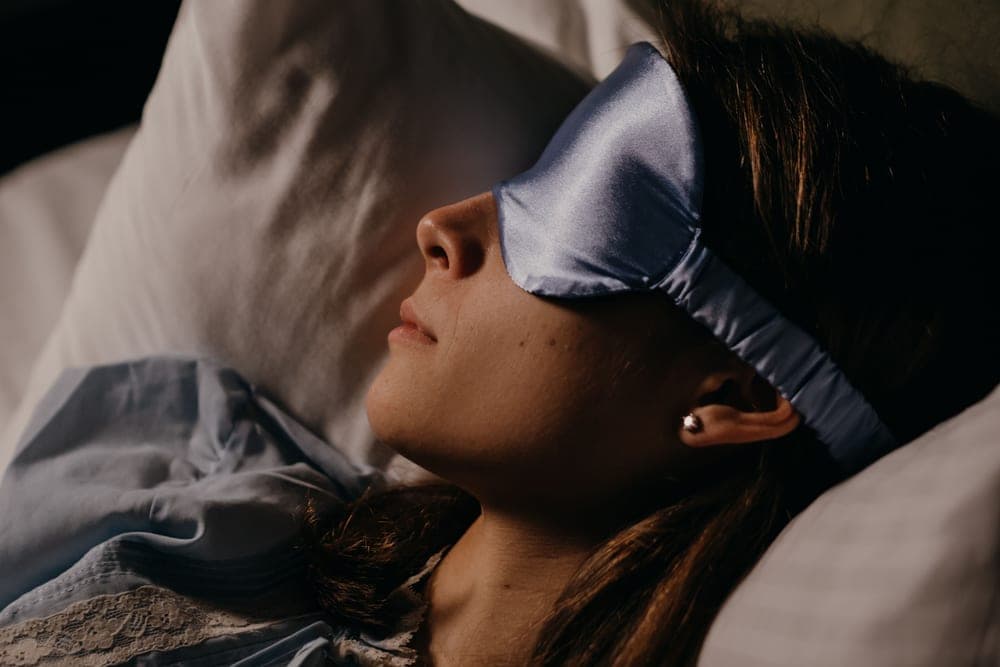
A sleep mask is the cheapest genuinely effective thing on this entire site. It is also the product people abandon fastest, and almost always for one of three reasons: it pressed on their eyes, it leaked light at the nose, or it was unbearable to lie on. All three are fit problems, and all three have specific solutions.
Why darkness is worth this much attention
Light is the main signal your body clock uses to tell the time. The 2022 consensus recommendations published in PLOS Biology suggest keeping light at the eye under about 1 melanopic lux while you are asleep, a maximum of 10 in the three hours before bed, and at least 250 during the day.
A bedroom hits 1 lux very rarely. Harvard Health notes that even dim light around 8 lux - roughly twice a night light, and less than most table lamps - has measurable circadian effects. A streetlight through a gap in the curtains, a charging indicator, a partner’s phone: any of them clears that. A mask is a ten-dollar way to get to actual darkness without renovating the room.
The three shapes, and who each is for
Flat masks
A single piece of fabric - usually silk - held on with an elastic strap. It rests directly on your eyelids. Very cheap, packs to nothing, barely noticeable against a pillow, and kind to skin and lashes. The trade-offs: you cannot open your eyes underneath it, and it will leak light along the nose on most faces.
Contoured masks
Molded cups arch over each eye socket so nothing touches the eyelid. You can blink freely, which matters if you wear contacts or lash extensions, and the blackout is much better because the mask seals against the bone around the eye rather than the soft tissue of the lid. The cost is depth: contoured masks stand off the face, and the deeper they stand, the worse they are to lie on.
Modular masks
The premium version: cups that reposition independently on a hook-and-loop band. Because you can move each cup to match your own face, you can seal a nose bridge that defeats every fixed-shape mask. This is the strongest blackout available - and the deepest profile, which makes it the worst option for side sleeping.
The nose bridge is where almost all light gets in
If you are seeing a glow at the bottom of your field of view, it is not coming through the mask. It is coming under it, at the triangle either side of the bridge of your nose. That gap is the single most common reason a mask disappoints, and it is entirely a shape mismatch - a fixed mask assumes an average nose bridge, and yours may not be average.
Three fixes, in order of cost: a mask with a nose flap or wire, a contoured mask whose cups extend further towards the center, or a modular mask you can adjust into position. The blackout roundup goes into this in detail.
If you sleep on your side, start elsewhere
The category default - a deep contoured or modular mask - is widely reported as too bulky for side sleeping, because the cups press into the pillow and then back into your face. This is the biggest gap between what gets recommended and what side sleepers can actually use.
The side-sleeper roundup is a genuinely different shortlist - slim side panels, shallow cups, or a flat silk mask. Start there rather than here.
Who should skip a mask
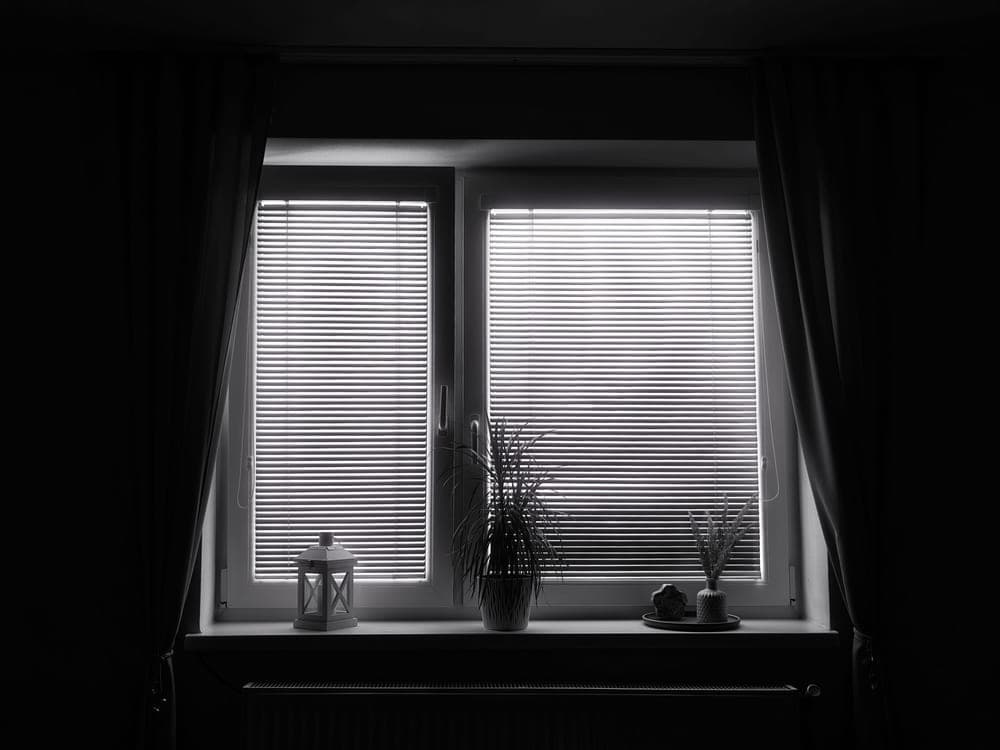
- Anyone who can fix the room instead. Blackout curtains are a better long-term answer if the light is coming from a window, and you do not wear them - here is the comparison.
- People whose problem is noise. A mask does nothing for a snoring partner. Earplugs are the equivalent cheap fix there.
- Anyone with an eye condition, recent eye surgery, or persistent dry eye. Ask a clinician before sleeping in anything that touches or covers your eyes. That is a medical question and we are not going to answer it.
How we chose
We compared the specifications that decide fit and blackout: profile height, cup versus flat construction, side-panel thickness, strap type and adjustability, nose-bridge sealing, and material against the face. We ruled out anything that could not be verified as currently sold, and anything materially more expensive than a product solving the same fit problem.