

How this page is funded: we earn a commission if you buy through the links below, at no extra cost to you. As an Amazon Associate we earn from qualifying purchases. It does not change which products we pick or the order they appear in. Full disclosure.
How these picks were made: by comparing published specifications and clearly-credited public reporting. We do not run a laboratory, we have not measured these products, and we do not claim to have slept with them. Here is exactly how we choose.
You bought the blanket everyone recommends and woke up with a dead arm. That is not a defective blanket. It is a geometry problem, and it has a straightforward fix.
Why the popular pick fails you
A weighted blanket is designed around a back sleeper. Lying on your back, your body presents a wide flat surface and the weight spreads evenly across your chest, stomach and legs. That even spread is the whole mechanism.
Roll onto your side and the geometry inverts. Your silhouette narrows to roughly the width of your shoulder, and fabric that was resting flat now drapes down both sides of you. The weight does not disappear - it migrates, concentrating on whichever shoulder and hip are highest, and hanging off the edges of the bed where it does nothing at all. Two consequences follow: pressure points where there should be even contact, and a blanket that slowly pulls itself onto the floor.
The weight adjustment nobody mentions
The standard starting point for weighted blankets is roughly ten percent of your body weight. For a strict side sleeper, sizing to the lower of two available options is usually the better call, because the same total weight is being carried by less of you. A 170 lb side sleeper is often happier at 15 lb than at 20 lb, even though the arithmetic says otherwise.
The full reasoning, including the body-weight chart and what to do when you land exactly between two sizes, is on the weight guide. Settle that number before you choose a fabric.
Drape beats press
The second adjustment is construction. A stiff quilted blanket holds its shape and bridges the gap between your shoulder and the mattress, which means all the load lands on the shoulder. A knit blanket conforms - it follows the curve down into your waist and back out over your hip, so the contact area is much larger and no single point carries the whole blanket.
That is why our top pick here is a knit rather than the best-selling quilted option. If you prefer the quilted feel, look for small pockets and double-stitched baffles: small pockets stop beads migrating downhill and pooling against whichever part of you is lowest. The bead and baffle guide explains what to look for on a product page.
Stopping it sliding off the bed
Side sleepers lose blankets to the floor more than anyone else, because the overhang on the far side of the bed is heavier than the part still on you. Three things genuinely help:
- Buy the blanket sized to you, not to the bed. Weighted blankets are meant to sit on the sleeper, not cover the mattress. A blanket wider than your body is mostly overhang.
- Use the duvet cover ties. Most weighted blankets have corner loops and most covers have internal ties. Almost nobody uses them; they are the difference between a blanket that stays and one that creeps.
- Keep it on top of the sheet, under nothing. Stacked under a duvet, it slides on the slick surface every time you turn.
If it is your shoulder that wakes you
Be honest about which problem you are solving. If you already wake with shoulder or hip discomfort on your side without a weighted blanket, adding weight is not the fix and the blanket will get blamed for something it did not cause. We do not give posture or pain advice here - that is outside what a gear site should be doing - but what your sleeping position means for the gear you buy covers the equipment side of it honestly.
Weighted blankets that drape rather than press
Tap any row to jump to the full write-up. The photographs are licensed stock images chosen to illustrate the category - they are not photographs of these specific products, and each one’s alt text describes what is actually shown.
| # | Product | Best for | The spec that decides it | Price |
|---|---|---|---|---|
| 1 | 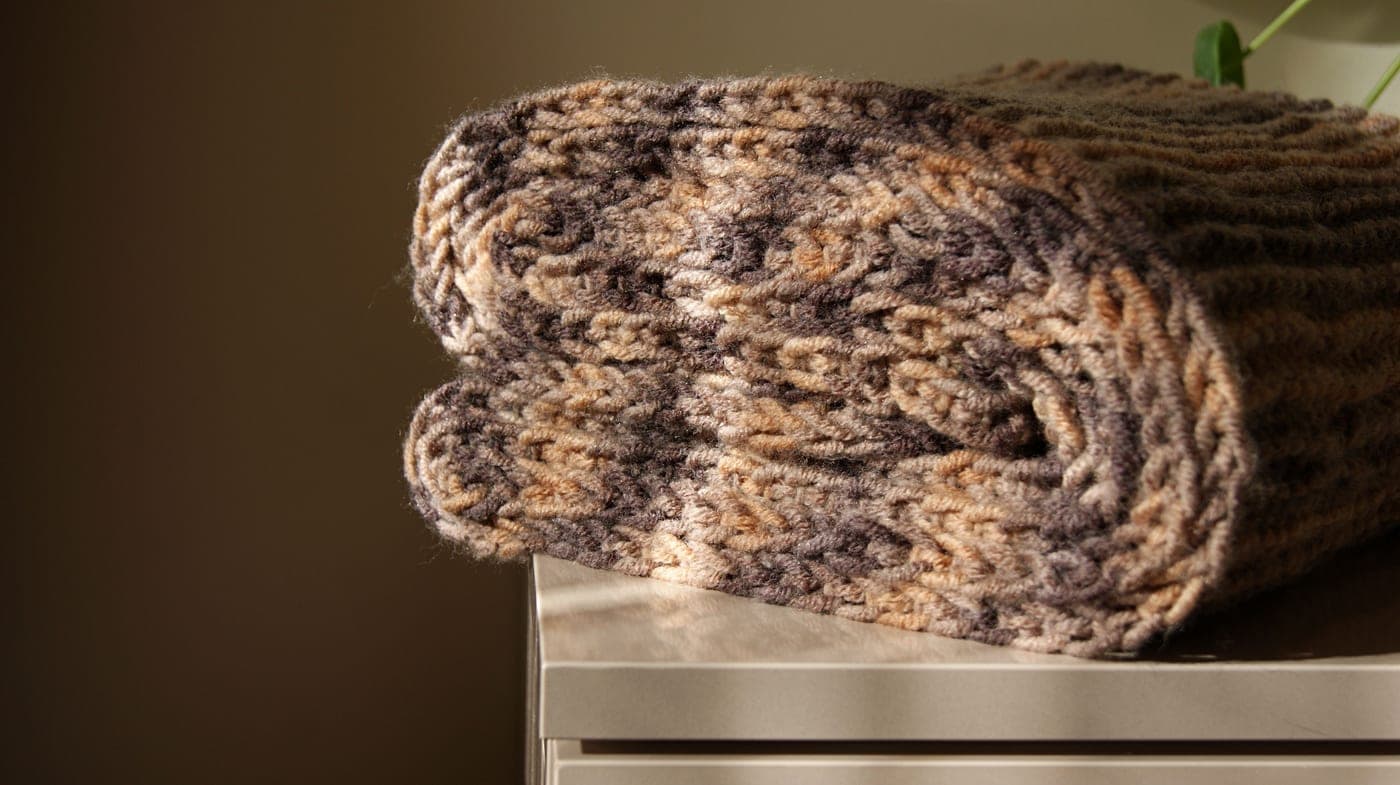 Bearaby Cotton NapperThe only mainstream weighted blanket with no beads at all - the weight is the yarn itself, so air moves straight through the knit. | Anyone who hates the sealed-duvet feeling | Bead-free: weight comes from organic cotton yarn | |
| 2 | 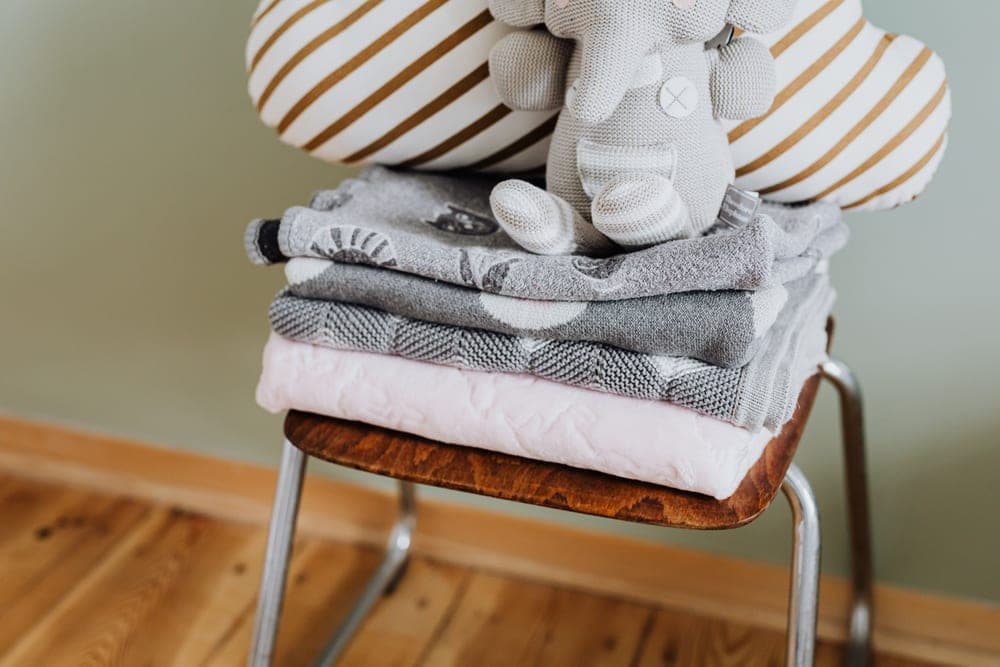 Baloo Living Weighted BlanketA conventional glass-bead blanket done carefully: 100% cotton shell and liner, and double-stitched baffles so the beads stay where they were put. | A cotton bead blanket that does not run hot | Glass microbeads in a 100% cotton shell and liner | |
| 3 | 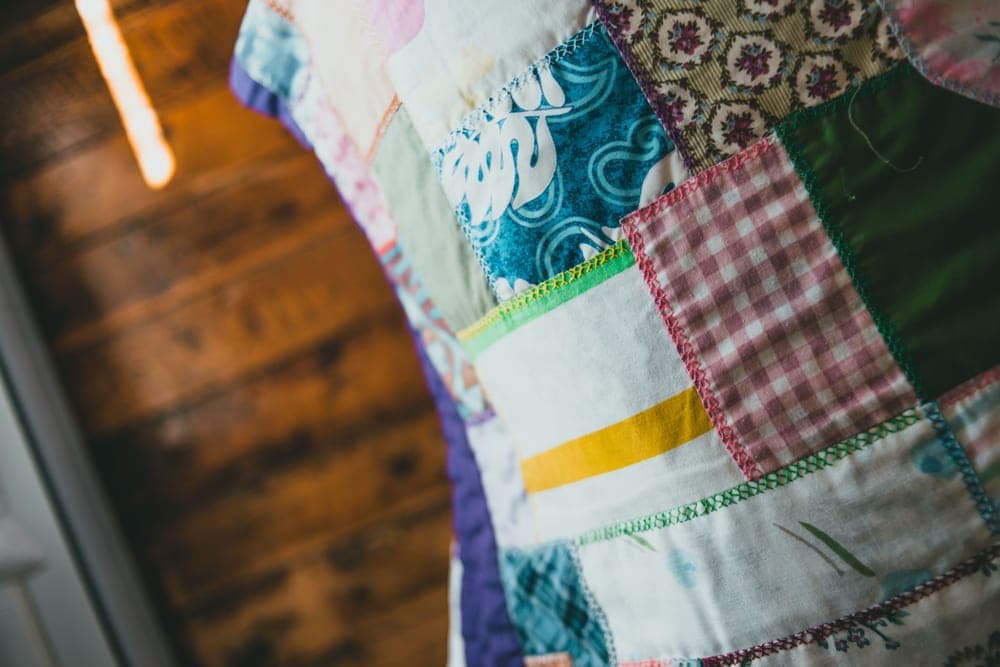 YnM Weighted BlanketThe sizing catalog, not the luxury pick: glass beads in small quilted pockets, in weights and dimensions from child up to king. | Odd sizes and weights nobody else makes | 5 to 30 lb across 7 sizes |
We have no live price feed for this site yet, so every button reads “Check price on Amazon” rather than showing a number that could be out of date. As an Amazon Associate we earn from qualifying purchases.
Our top pick · Anyone who hates the sealed-duvet feeling
1. Bearaby Cotton Napper
The only mainstream weighted blanket with no beads at all - the weight is the yarn itself, so air moves straight through the knit.
- Fill:
- None - weight is long-staple organic cotton yarn
- Weights:
- 8 lb (kids and travel), 12, 15, 20, 25 lb
- Construction:
- Open hand-knit weave
- Care:
- Machine washable
What it gets right
- No beads means no shifting, no bunching and no rustling
- The open knit breathes better than any quilted shell in this roundup
- Doubles as a sofa throw without looking like medical equipment
Where it falls short
- Among the most expensive options in the category
- The open weave catches on rings, watches and rough pet claws
- Heavy knit takes a long time to dry
Skip it if: You want the tucked-in, evenly pinned feeling a bead blanket gives. The knit drapes; it does not press.
Pick 2 · A cotton bead blanket that does not run hot
2. Baloo Living Weighted Blanket
A conventional glass-bead blanket done carefully: 100% cotton shell and liner, and double-stitched baffles so the beads stay where they were put.
- Fill:
- Glass microbeads
- Shell and liner:
- 100% cotton
- Weights:
- 12, 15, 20, 25 lb
- Construction:
- Double-stitched baffles
What it gets right
- Cotton on both faces rather than a polyester minky backing
- Double-stitched baffles are the single best predictor of a blanket that will not pool
- Classic quilted pressure - the sensation most buyers are actually looking for
Where it falls short
- Cotton is breathable but a quilted shell still traps more heat than an open knit
- No weight below 12 lb
- Bulky and slow to dry after washing
Skip it if: You run very hot. A quilted construction is still two layers of fabric plus fill, whatever the fiber.
Pick 3 · Odd sizes and weights nobody else makes
3. YnM Weighted Blanket
The sizing catalog, not the luxury pick: glass beads in small quilted pockets, in weights and dimensions from child up to king.
- Fill:
- Glass beads in small quilted pockets
- Weights:
- 5 to 30 lb
- Sizes:
- 7, from child through king
- Construction:
- Layered quilted pocket system
What it gets right
- The widest weight range in the category, which matters if the ten percent rule lands you on an unusual number
- Small pockets keep beads distributed better than large-baffle designs
- Consistently the cheapest way into a proper glass-bead blanket
Where it falls short
- Shell fabric quality is the trade-off for the price
- Runs warm compared with cotton-knit options
- Frequently sold without the duvet cover you will probably want
Skip it if: You are a hot sleeper. This is a warm blanket and no cover fixes that.
Questions people actually ask
Are weighted blankets good for side sleepers?
Yes, with two adjustments. Size down to the lighter of two weight options, because on your side the same total weight is carried by a much smaller contact area. And prefer a knit or small-pocket quilted construction that conforms to your shape rather than bridging across the gap between your shoulder and the mattress.
Why does my weighted blanket hurt my shoulder?
Because a stiff quilted blanket bridges the gap between your shoulder and the bed, so the entire load lands on the one point that is highest. A blanket that drapes spreads the same weight over a far larger area. If your shoulder already hurts without a blanket, the blanket is not the cause and will not be the cure.
Should side sleepers use a lighter weighted blanket?
Usually yes. Start from about ten percent of your body weight, then take the lower of the two nearest available sizes rather than the higher one.
How do I stop my weighted blanket sliding off the bed?
Buy it sized to your body rather than to the mattress, use the corner loops and the internal ties in the duvet cover, and keep it on top of the sheet rather than layered under a slick duvet.
Can a weighted blanket cause a dead arm?
Sustained pressure on an arm you are already lying on can leave it numb, which is a fit problem rather than a medical one: the blanket is too heavy for your contact area, or it is bridging rather than draping. Size down and switch to a conforming construction.
Sources
Back to the best weighted blankets.
Read next
- How heavy should a weighted blanket be?The chart, and the side-sleeper adjustment to it.Read it
- Sleeping positions and the gear that suits themWhat your position means for blankets, masks and earplugs.Read it
- Best sleep masks for side sleepersThe same geometry problem, one category over.Read it
- Best weighted blankets, overallThe full shortlist and the category's failure modes.Read it