
How this page is funded: we earn a commission if you buy through the links below, at no extra cost to you. As an Amazon Associate we earn from qualifying purchases. It does not change which products we pick or the order they appear in. Full disclosure.
How these picks were made: by comparing published specifications and clearly-credited public reporting. We do not run a laboratory, we have not measured these products, and we do not claim to have slept with them. Here is exactly how we choose.
Short version: the Philips SmartSleep HF3520 is the pick for most side sleepers, because it is a bright light with a real sound alarm behind it and twenty brightness steps to tune the display down. If you sleep facing away and you have slept through a light alarm already, stop buying light: the Sonic Alert Sonic Bomb puts a vibrating pad under your mattress, and vibration does not care which way your head is pointing. Before you spend anything, move the clock to the side of the bed you actually face. That is free and it fixes a good share of cases.
Every other page in this category, including ours, ranks sunrise alarms on the light: how bright it gets, how long the ramp is, how warm the first few minutes are. That ranking assumes something nobody says out loud - that the light is going to land on your face. For a side sleeper it often does not. You go to bed facing the clock, you turn over at some point in the night, and at 6:30am a carefully engineered artificial dawn is illuminating your shoulder blades.
So this page ranks on something else: what happens when the light misses.
Why a sunrise alarm misses a side sleeper
A wake-up light works because light penetrates a closed eyelid. That is the whole mechanism, and it is the reason sunrise alarms work at all. Light exposure is the main input your body clock uses, which is why the 2022 PLOS Biology recommendations on indoor light are so strict about darkness at night and brightness in the morning.
But the mechanism has a geometric requirement. The light has to be able to get to your eyes. Three things routinely stop that for a side sleeper, and they compound:
- Your head is turned away. If you face the wall, your own skull is between the lamp and both eyelids. There is no amount of brightness that solves being behind an opaque object.
- A pillow becomes a wall. Side sleepers tend to burrow. A pillow bunched up in front of your face shades your eyes even when you are turned toward the clock.
- You probably sleep darker than most. People who sleep on their side and wake easily are the same people who already own a sleep mask and earplugs. Each of those removes exactly one of the two channels a sunrise clock can reach you through.
That last point is the one that sinks most purchases. A mask makes the light alarm useless. Earplugs degrade the sound alarm. If you wear both - and plenty of side sleepers do - no light-and-sound clock on the market is reliably going to wake you, and the honest recommendation is a vibrating alarm instead of a better lamp.
The spec that decides it: your backup wake
Forget ramp length for a moment. For a side sleeper, the useful way to sort this category is by how many independent ways a clock has of reaching you, and whether those ways survive your bedroom habits.
| Wake channel | Does facing away break it? | What else breaks it |
|---|---|---|
| Light only | Yes - completely | A sleep mask, a bunched pillow, a duvet over your head |
| Sound | No | Earplugs, a white noise machine, a heavy sleeper |
| Vibration (bed shaker) | No | Very little - it reaches you through the mattress |
The rule that falls out of that table: buy light for the quality of waking and buy sound or vibration for the certainty of it. A side sleeper who only buys light has bought a nicer morning that may not happen.
This is also why we have put a clock in this roundup that has no sunrise at all. The Sonic Bomb is a utilitarian vibrating alarm, and it is here because the manufacturer publishes exactly the specification a side sleeper needs: a 12-volt bed shaker and the ability to switch the 113 dB sound off entirely and wake to vibration alone. That last detail matters more than it sounds - it means one person can be woken without waking the other, which is the usual reason a loud alarm gets abandoned.
How we chose
We started from alarms currently sold in the US with published specifications, then ranked them against these criteria, in this order.
- Does it still work facing away? A real sound alarm or a shaker. First criterion, every time.
- Light spread, not just peak brightness. A broad, diffused dome lights the room; a narrow panel lights whatever it is aimed at. Side sleepers benefit from the first kind, because a lit room still reaches a partly shaded eye. Independent light-meter comparisons exist for this category - these measurements are theirs, not ours - and they consistently separate the premium units from the budget ones.
- Display dimming. Lying on your side puts your eyes level with the nightstand and square onto the display. A clock with coarse dimming becomes a night light you did not ask for.
- Reach and controls. On your side, one arm is pinned. A big top-surface snooze beats a fiddly rear button.
- Whether it wakes your partner too. A sound-free vibration mode, or a light-first alarm, is the difference between a solution and a second argument.
We have not slept through these, we own no light meter, and we assign no scores or star ratings to anything. We read the published specifications, say which number came from where, and name what each pick gives up. The full method is on how we choose what to recommend.
Try the free fixes first
Three changes cost nothing and solve a surprising share of this problem. Do them before you spend.
Move the clock to the side you face. Most people put the alarm on the nightstand they have, not the one their face points at. If you reliably sleep facing the window, the lamp belongs on the window side. This single change converts a light alarm from decoration into a working alarm, and it is free.
Raise it. A wake-up light at mattress height is shining into your pillow. On a shelf or a stack of books, above the pillow line, the light comes down onto your face instead of into the bedding - and it is no longer glaring straight into your eyes while you are trying to fall asleep.
Turn the display brightness down and the alarm volume up. These two settings are almost always wrong out of the box, in opposite directions, and side sleepers feel both: the display is in your eye line all night and the alarm is competing with a pillow over one ear.
If you sleep with earplugs or a mask
This is the hard case and it deserves a straight answer. If you wear earplugs, your sound alarm is attenuated. If you wear a mask, your light alarm is blocked. Wear both and a light-and-sound clock has nothing left to reach you with.
There are two honest routes out. The first is to keep the earplugs but choose them deliberately - some plugs are specifically chosen to let an alarm through while still cutting the noise that wakes you, which is a real trade worth understanding before you rely on it. The second is vibration, which bypasses both channels: nothing you wear on your eyes or in your ears stops a pad shaking the mattress under your shoulder.
What we would not do is tell you to give up the earplugs. If you are plugging your ears because your partner snores, removing them to hear an alarm trades seven hours of sleep for one moment of waking. That is a bad trade and the shaker exists precisely for it.
What not to buy for this
- A light-only wake-up lamp. Beautiful, effective for people who sleep on their back facing it, and a gamble for everyone on this page. If you buy a lamp, buy one with a sound alarm behind it.
- A smart bulb in the ceiling. Overhead light at least reaches a turned-away sleeper, but the scheduling is fragile and there is usually no alarm sound at all. We compared the two properly and the bulb loses on reliability.
- Phone-on-the-nightstand as a plan. It works, it is free, and it is also why you are awake at midnight scrolling. Not a gear recommendation, just an honest observation.
- The brightest thing you can find, if your real problem is geometry. Brightness does not travel through the back of your head. Placement first, brightness second.
- A 113 dB alarm you will never dare use. If you share a bed, buy the loud clock for its shaker and leave the sound off. Buying it for the decibels and then disabling them is fine - that is the intended use.
If you share the bed
Side sleepers rarely sleep alone, and an alarm is a shared appliance whether you intended it to be or not. Two configurations work in practice. Either the waker-upper gets a shaker with the sound switched off, so the alarm is private to one half of the mattress; or the alarm is a light-first device on the early riser’s side, ramping quietly for twenty or thirty minutes before any sound happens, which is the gentlest thing you can do to a partner who has another hour to sleep.
What does not work is a loud shared alarm plus a snooze habit. That is one person waking twice and the other waking four times. If snoozing is the real issue, the snooze page is a more useful read than any product here.
What to expect, honestly
A sunrise alarm is a nicer way to wake up, not a cure for being tired. If you are sleeping six hours, the mechanism of waking is not your problem, and no clock in this roundup will fix it - the CDC’s sleep duration guidance is the cheaper intervention. Side sleepers in particular should treat this purchase as two decisions rather than one: a light you will enjoy, and a backup that will actually fire. Buy both, or buy only the backup. Buying only the light is how people end up back here in three weeks.
Five alarms that still work when you roll over
Tap any row to jump to the full write-up. The photographs are licensed stock images chosen to illustrate the category - they are not photographs of these specific products, and each one’s alt text describes what is actually shown.
| # | Product | Best for | The spec that decides it | Price |
|---|---|---|---|---|
| 1 |  Philips SmartSleep Wake-Up Light HF3520The reference sunrise. No account, no app, no monthly fee - a dial, twenty brightness steps, and a light that ramps properly. | Sunrise quality with no app and no subscription | 20 light-intensity settings, no app or subscription | |
| 2 |  Sonic Alert Sonic Bomb (with Super Shaker)Not a sunrise clock at all - a vibrating pad that goes under the mattress, so waking you does not depend on which way your head is turned. | Side sleepers who face away from the light | 12-volt bed shaker; 113 dB alarm that can be switched off entirely | |
| 3 |  Hatch Restore 3The most complete bedside device of the group - sunrise, wind-down, sound library and alarms in one - and the only one with a subscription attached. | One device for the whole bedtime routine | Roughly 30-minute sunrise, deep orange through to bright white | |
| 4 | 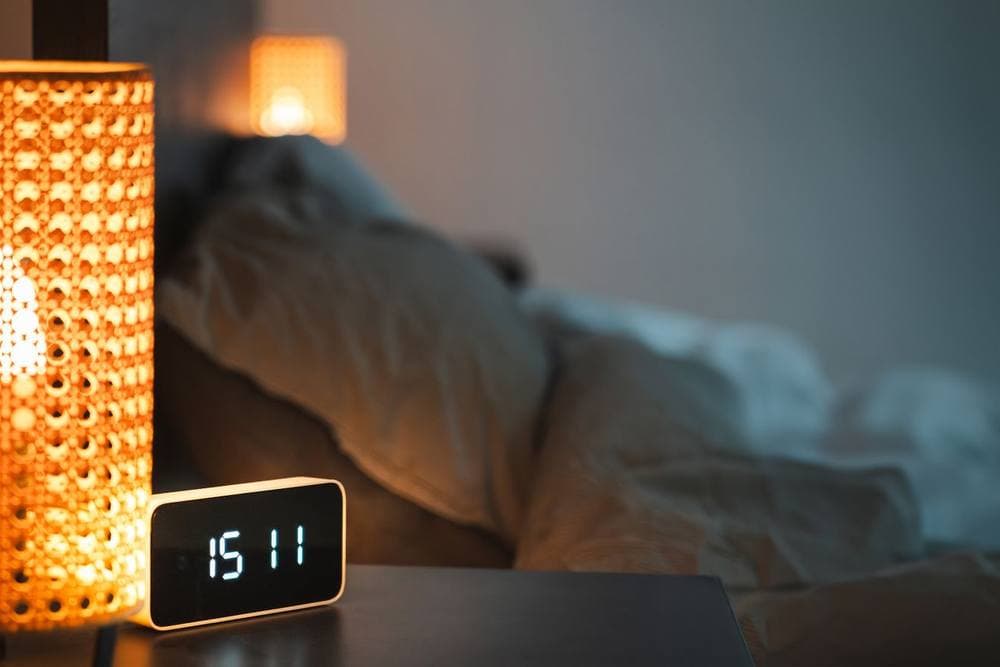 HoMedics SoundSpa SunriseThe budget crossover: four sleep sounds, four separate wake sounds, a sunrise ramp and a Bluetooth speaker in a single unit. | A sound machine and a sunrise alarm in one cheap box | 4 sleep sounds + 4 wake sounds + sunrise ramp + Bluetooth (model SS-WL100) | |
| 5 | JALL Wake Up LightThe cheap way to test the idea. The light is dimmer than the premium units, but the mechanism is the same. | Finding out whether sunrise waking works for you | Full-screen display with colored sunrise, at entry-level pricing |
We have no live price feed for this site yet, so every button reads “Check price on Amazon” rather than showing a number that could be out of date. As an Amazon Associate we earn from qualifying purchases.
Ranked by whether they can wake a sleeper who is facing the wall, then by the quality of the sunrise itself. Every pick is a real, currently-sold product; none has been tested by us, and the specifications are the manufacturers' own.
Our top pick · Sunrise quality with no app and no subscription
1. Philips SmartSleep Wake-Up Light HF3520
The reference sunrise. No account, no app, no monthly fee - a dial, twenty brightness steps, and a light that ramps properly.
- Light settings:
- 20 intensity levels
- Sunrise:
- Colored sunrise simulation before the alarm
- Sound:
- Natural wake-up sounds plus FM radio
- Account:
- None required
What it gets right
- Nothing to sign up for and nothing to update - it is an appliance
- Twenty brightness steps means you can actually find a comfortable display level
- Long-standing design with a well-understood service life
Where it falls short
- No app, so scheduling is manual
- The sound library is small and dated
- Larger footprint than the smart units
Skip it if: You want a sound machine and a sunrise in one device. This is a light first and foremost.
Pick 2 · Side sleepers who face away from the light
2. Sonic Alert Sonic Bomb (with Super Shaker)
Not a sunrise clock at all - a vibrating pad that goes under the mattress, so waking you does not depend on which way your head is turned.
- Wake method:
- 12-volt vibrating bed shaker, plus sound and flashing lights
- Alarm volume:
- 113 dB, with adjustable tone and volume
- Sound-free mode:
- Yes - the sound can be switched off to wake by vibration alone
- Snooze / duration:
- Snooze 1-30 minutes; alarm duration 1-59 minutes
- Other:
- Dual alarm, 5-level dimmer, battery backup for settings up to one week
What it gets right
- Vibration reaches you through the mattress regardless of sleeping position
- The loud alarm is optional, so one partner can be woken without the other
- Published, checkable specifications rather than vague marketing claims
Where it falls short
- No sunrise light at all - this solves waking, not the gentle part
- Styling and display are utilitarian at best
- 113 dB is genuinely startling, which is the opposite of a gradual wake
Skip it if: You want to be eased awake. This is a wake-up tool for people who sleep through everything, not a calm morning.
Pick 3 · One device for the whole bedtime routine
3. Hatch Restore 3
The most complete bedside device of the group - sunrise, wind-down, sound library and alarms in one - and the only one with a subscription attached.
- Sunrise:
- Gradual ramp beginning around 30 minutes before the alarm
- Color path:
- Deep orange warming to bright white
- Sound:
- Built-in sound library plus alarm tones
- App:
- Required for setup; premium library is subscription-gated
What it gets right
- Sunrise, wind-down and sound machine in a single footprint
- The app makes complex schedules genuinely easy to set
- The display dims properly, unlike most clock radios
Where it falls short
- The best sound content sits behind a subscription
- App dependency: no phone, no changes
- Most expensive way to buy a sunrise
Skip it if: You resent subscriptions. The Philips does the light half with no account at all.
Pick 4 · A sound machine and a sunrise alarm in one cheap box
4. HoMedics SoundSpa Sunrise
The budget crossover: four sleep sounds, four separate wake sounds, a sunrise ramp and a Bluetooth speaker in a single unit.
- Sounds:
- 4 for sleep, plus 4 separate wake-up sounds
- Light:
- Sunrise simulation, plus a 7-color night light
- Bluetooth:
- Yes - streams from a phone
- Timer:
- 30, 60 or 90 minute auto shut-off
- Power:
- 120V adapter included
What it gets right
- Does two jobs for the price of a cheap version of either
- Separate wake sounds, so the alarm is not just the sleep sound turned up
- Bluetooth makes it the only speaker the nightstand needs
Where it falls short
- Only four sleep sounds, and they loop
- The sunrise is dimmer and shorter than a dedicated wake-up light
- No app, and no scheduling beyond the alarm
Skip it if: The sunrise is the main event for you. A dedicated wake-up light puts far more light in the room.
Pick 5 · Finding out whether sunrise waking works for you
5. JALL Wake Up Light
The cheap way to test the idea. The light is dimmer than the premium units, but the mechanism is the same.
- Sunrise:
- Configurable ramp before the alarm
- Colors:
- Multiple selectable light colors
- Sound:
- Built-in nature sounds plus FM radio
- Extras:
- Dual alarms, snooze, USB charging port
What it gets right
- A fraction of the price of the Philips or the Hatch
- Includes dual alarms and a USB port the premium units often omit
- Low risk if you are not sure the approach suits you
Where it falls short
- Peak brightness is well below the premium units, and that is the spec that matters most
- Build quality is what the price suggests
- Display dimming is coarser than the Philips
Skip it if: You are a genuinely heavy sleeper. Buy brightness - it is the one spec you cannot compromise on.
Questions people actually ask
Do sunrise alarm clocks work if you sleep on your side?
Only when the light can reach your eyelids. If you face the nightstand they work normally; if you turn away, your head blocks the light and nothing happens. The fix is either placing the clock on the side you actually face, raising it above the pillow line, or choosing a clock whose sound or vibration alarm can wake you when the light misses.
What is the best alarm clock for a side sleeper who faces away from the light?
One with a wake channel that does not depend on direction. A real sound alarm is the simplest; a bed shaker is the most reliable, because vibration reaches you through the mattress regardless of which way your head is turned. The Sonic Alert Sonic Bomb publishes a 12-volt bed shaker and the ability to switch its 113 dB sound off entirely and wake to vibration alone.
Where should a side sleeper put a sunrise alarm clock?
On the side of the bed your face points at, and above the pillow line if you can. Most people put the clock on whichever nightstand they already have, which is often behind their head. Raising it onto a shelf also keeps the display out of your direct eye line while you are falling asleep.
Will a sunrise alarm wake me if I wear a sleep mask?
No. A mask that blocks light well enough to be worth wearing also blocks the alarm. If you wear a mask, treat the light as a pleasant extra and buy the clock for its sound alarm - or use a bed shaker, which is unaffected by anything you wear on your eyes or in your ears.
Can you use earplugs and still hear an alarm clock?
Sometimes, and it depends on the plug rather than the clock. Earplugs attenuate rather than eliminate sound, so a loud alarm often still gets through, but it is not something to gamble a flight on. Some plugs are chosen specifically to cut snoring and traffic while still passing an alarm; a vibrating alarm removes the gamble entirely.
Are bed shaker alarms uncomfortable to sleep on?
The pad goes under the mattress or under the pillow rather than against you, so most people stop noticing it. The genuine downside is the opposite of comfort: there is no gradual light, so waking is abrupt by design. That is the trade for an alarm that works no matter how you are lying.
Sources
- Sonic Alert Sonic Bomb alarm clock with Super Shaker - retailer listing of the manufacturer's published specifications (113 dB alarm, 12-volt bed shaker).
- Tom's Guide - The best sunrise alarm clocks, tested and ranked.
- Sleep Foundation - Best Sunrise Alarm Clocks.
- Optimize Your Biology - Best Sunrise Alarm Clocks 2026 (independent light-meter measurements, theirs not ours).
- HoMedics - SoundSpa Sunrise sound machine, model SS-WL100 (manufacturer specifications).
- Hatch Support - What sounds can I wake up to?
- Brown TM et al. Recommendations for daytime, evening and nighttime indoor light exposure to best support physiology, sleep and wakefulness in healthy adults. PLOS Biology, 2022.
- CDC - About Sleep: recommended hours of sleep by age and sleep habits.
Back to the best sunrise alarm clocks.
Read next
- Best sunrise alarm clocksThe main roundup, ranked on the quality of the light itself.Read it
- Best sunrise alarm clocks for heavy sleepersThe other reason a gentle light alarm quietly fails.Read it
- How sunrise alarm clocks actually workWhy light through a closed eyelid is the whole mechanism.Read it
- Best earplugs for side sleepersThe purchase that quietly disables your sound alarm.Read it
- Earplugs that still let you hear your alarmIf you want to keep the plugs and keep the alarm.Read it
- What your sleeping position means for the gear you buySide sleeping changes more purchases than this one.Read it