
How this page is funded: we earn a commission if you buy through the links below, at no extra cost to you. As an Amazon Associate we earn from qualifying purchases. It does not change which products we pick or the order they appear in. Full disclosure.
How these picks were made: by comparing published specifications and clearly-credited public reporting. We do not run a laboratory, we have not measured these products, and we do not claim to have slept with them. Here is exactly how we choose.
A pack of foam earplugs costs less than a coffee and blocks more noise than a three-hundred-dollar machine. We say this on the sound machines hub too, and it stays true: if your problem is noise and you want silence, this page is the whole answer and you can stop shopping.
NRR and SNR, translated
Two rating systems appear on packaging and they are not interchangeable:
- NRR (Noise Reduction Rating) is the US standard. Mack’s Ultra Soft Foam is rated NRR 33 dB, which is at the top of what is available in ordinary retail.
- SNR (Single Number Rating) is the European equivalent and reads a few points higher for the same plug. Loop rates the Quiet 2 at 24 dB SNR.
Both are laboratory figures obtained with a correct fit, and real-world attenuation is typically lower - which is why the insertion technique below matters more than the number on the box. What the numbers are good for is relative comparison: a 33 dB foam plug genuinely blocks substantially more than a 24 dB silicone one, and that gap is the entire trade-off in this category.
Foam or reusable silicone
| Foam | Reusable silicone | |
|---|---|---|
| Blocking | Highest available (NRR 33) | Moderate (around 24 dB SNR) |
| Side sleeping | Fine once compressed, can press | Better - designed low-profile |
| Lifespan | A few nights each | Months, washable |
| Running cost | Ongoing, but pennies | One purchase |
| Fit | One size, needs correct insertion | Multiple tip sizes supplied |
| Best for | Loud noise, snoring, maximum silence | Side sleepers, moderate noise, nightly use |
The insertion technique that decides everything
Almost every “earplugs do not work for me” complaint is an insertion problem, not a product problem. A foam plug resting in the outer ear blocks almost nothing; the same plug seated correctly blocks 30-odd decibels.
- Roll it thin. Compress the plug between finger and thumb and roll it into a narrow cylinder - thinner than you think, and along its whole length.
- Pull your ear up and back with your opposite hand reaching over your head. This straightens the ear canal, which is not a straight tube.
- Insert deep, then hold. Push it in further than feels normal and hold it there for twenty to thirty seconds while the foam expands. If you let go early it expands in the wrong place.
- Check. Your own voice should sound noticeably muffled and boomy. If it does not, it is not seated - take it out and start again.
Silicone plugs are different: they seal by tip fit, not expansion. Try every tip size supplied, and use a different size in each ear if that is what fits - ears are not symmetrical.
The alarm problem
At NRR 33 you will very likely sleep through a phone alarm, and that is not a hypothetical - it is the most common reason people stop using foam plugs. There are good solutions: a lower-rated plug, a vibrating alarm, or a light-based alarm that does not need to be heard at all. We have given it a page of its own: earplugs that still let you hear your alarm.
If you have caring responsibilities - a child, someone unwell in the house - the same logic applies and the answer is usually a light alarm plus a lower-rated plug rather than the highest NRR you can find.
Two things worth saying plainly
Never push a plug so deep that you cannot easily get it out, and never use a plug that has become hard, cracked or dirty. Earplug-related ear irritation or persistent blocked-feeling ears is a matter for a clinician rather than a gear site - we are not going to advise you on ear health.
And if you are blocking noise because a partner snores loudly and stops breathing at night, that is a medical situation for them and not a shopping problem for you.
The three that cover almost every case
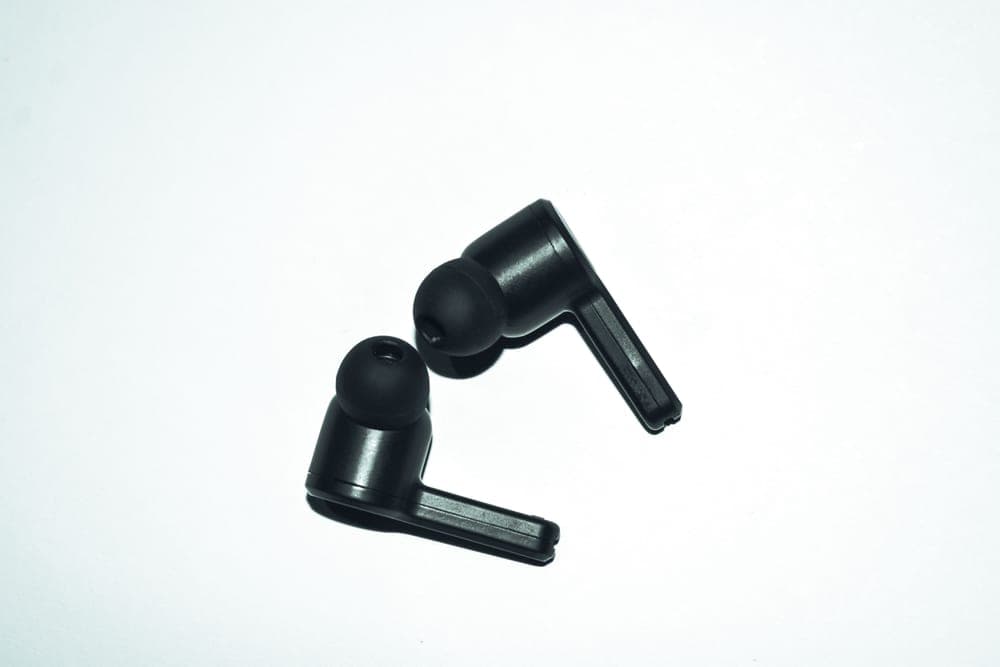
Tap any row to jump to the full write-up. The photographs are licensed stock images chosen to illustrate the category - they are not photographs of these specific products, and each one’s alt text describes what is actually shown.
| # | Product | Best for | The spec that decides it | Price |
|---|---|---|---|---|
| 1 |  Mack's Ultra Soft Foam EarplugsThe highest-rated foam plug in common retail, at a price where losing one in the sheets does not matter. | Maximum blocking for the least money | NRR 33 dB - the highest rating in this roundup | |
| 2 |  Loop Quiet 2Reusable silicone with a low profile that does not press back when your ear is against a pillow - you trade some blocking for that. | Side sleepers who reuse their plugs | 24 dB SNR - lower than foam, and deliberately so | |
| 3 | 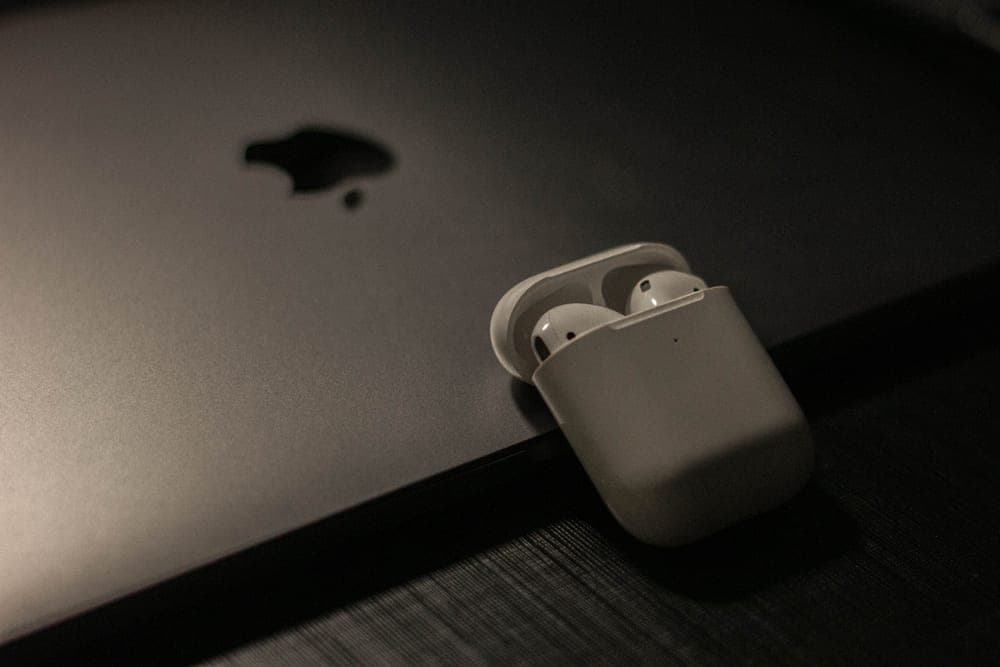 Soundcore Sleep A30The first sleep earbud with active noise cancellation, tuned for the low-frequency rumble that passive isolation cannot touch. | A snoring partner, specifically | Active noise cancellation with adaptive snore masking |
We have no live price feed for this site yet, so every button reads “Check price on Amazon” rather than showing a number that could be out of date. As an Amazon Associate we earn from qualifying purchases.
Start with the foam. If foam is uncomfortable, move to silicone. Only move to earbuds if the noise is low-frequency snoring that neither can beat.
Our top pick · Maximum blocking for the least money
1. Mack's Ultra Soft Foam Earplugs
The highest-rated foam plug in common retail, at a price where losing one in the sheets does not matter.
- Rating:
- NRR 33 dB (manufacturer figure)
- Material:
- Slow-recovery polyurethane foam
- Reuse:
- A few nights each, then discard
- Sold as:
- Bulk packs
What it gets right
- Nothing in common retail blocks more
- Cheap enough to replace constantly, which is also more hygienic
- The soft compound is tolerable for side sleepers once compressed correctly
Where it falls short
- Only works if you roll and insert them properly - most complaints are fit, not product
- Disposable, so there is an ongoing cost and ongoing waste
- At 33 dB you will very likely sleep through a standard alarm
Skip it if: You have to hear an alarm, a child, or a smoke detector. This is the wrong tool for that night.
Pick 2 · Side sleepers who reuse their plugs
2. Loop Quiet 2
Reusable silicone with a low profile that does not press back when your ear is against a pillow - you trade some blocking for that.
- Rating:
- 24 dB SNR (manufacturer figure)
- Material:
- Reusable silicone
- Fit:
- Multiple ear-tip sizes included
- Care:
- Washable, reused for months
What it gets right
- The low profile is the reason side sleepers stick with these
- Washable and reusable, so the running cost is near zero
- Multiple tip sizes solve the fit problem foam plugs create
Where it falls short
- 24 dB is meaningfully less blocking than a 33 dB foam plug
- Higher up-front cost than a year of foam
- Silicone can work loose over a long night
Skip it if: Your problem is loud, low-frequency snoring. You want the foam number, not the comfort number.
Pick 3 · A snoring partner, specifically
3. Soundcore Sleep A30
The first sleep earbud with active noise cancellation, tuned for the low-frequency rumble that passive isolation cannot touch.
- Noise reduction:
- Active noise cancellation plus passive isolation
- Snore masking:
- Adaptive - responds to detected snoring
- Profile:
- Low-profile, side-sleeper oriented
- App:
- Yes, with sleep tracking
What it gets right
- ANC targets the low frequencies foam plugs and passive buds both struggle with
- Adaptive masking means the volume is not held constant all night
- Undercuts the premium sleep-bud competition on price
Where it falls short
- Most expensive option in this category by a wide margin
- ANC draws power, so battery life is shorter than the A20
- Feature depth you will never use if all you want is quiet
Skip it if: Your noise is high-frequency - traffic, chatter, a TV next door. Passive blocking handles that for far less.
Questions people actually ask
What NRR do I need for sleeping?
For ordinary bedroom noise, an NRR in the high 20s is plenty. For loud snoring or street noise, NRR 32-33 is the top of what common retail offers. The higher you go the more likely you are to sleep through your alarm, so match the rating to the problem rather than buying the biggest number.
Are foam or silicone earplugs better for sleeping?
Foam blocks more - roughly 33 dB against 24 dB - and costs less. Silicone is lower-profile and more comfortable against a pillow, and it is washable and reusable for months. Side sleepers who use plugs every night usually settle on silicone; people fighting loud noise should take the foam.
Why do my earplugs not block any noise?
Almost always because they are not seated. Roll a foam plug thin along its whole length, pull your ear up and back to straighten the canal, insert deeper than feels natural, and hold for 20-30 seconds while it expands. Your own voice should sound muffled and boomy afterwards.
Can you wear earplugs every night?
Many people do. Use clean plugs, replace foam every few nights, wash silicone regularly, and do not push anything deeper than you can comfortably remove. If you develop irritation or persistently blocked ears, stop and speak to a clinician.
Do earplugs work better than a white noise machine?
For loud noise, yes - earplugs block while a machine only masks, and masking loud noise means running the machine at a volume that is itself disruptive. For quiet intermittent noise a machine is the more pleasant answer.
Sources
Back to the best white noise machines.
Read next
- Earplugs that still let you hear your alarmThe obvious problem with a 33 dB plug, solved.Read it
- Best white noise machinesWhen masking is the better answer than blocking.Read it
- Your partner snores and you can't sleepThe most common reason people end up on this page.Read it
- Best sunrise alarm clocks for heavy sleepersAn alarm that does not need to be heard at all.Read it