
How this page is funded: we earn a commission if you buy through the links below, at no extra cost to you. As an Amazon Associate we earn from qualifying purchases. It does not change which products we pick or the order they appear in. Full disclosure.
How these picks were made: by comparing published specifications and clearly-credited public reporting. We do not run a laboratory, we have not measured these products, and we do not claim to have slept with them. Here is exactly how we choose.
It is a specific and very common experience: fine on the sofa, wide awake the moment your head hits the pillow. Tomorrow’s meeting, an email you did not send, something you said years ago. The tiredness is real and it does not help at all.
This is what is happening
Nothing mysterious. For most of the day you are supplying your brain with a constant stream of input - work, screens, conversation, noise. Lying down in a dark quiet room removes all of it at once, and the thoughts that were queued behind that input arrive with nothing to compete against.
Two things then make it worse. The silence itself gives your attention nothing to settle on, so it settles on the loudest thing available, which is your own internal monologue. And trying to fall asleep is self-defeating: sleep is not something you can do on purpose, so the effort of trying is itself a form of alertness.
That is a plain-language description, not a diagnosis. We are not a medical site and we are not going to tell you what is causing it.
Try this tonight, for free
- Write the list down before you get into bed. Not in bed - at a table, on paper, ten minutes. Everything you are carrying, in whatever order it arrives. A lot of the 1am cataloging is your brain rehearsing things it is afraid of losing. Writing them down is a credible promise that they are not lost.
- Stop trying to fall asleep. Genuinely. Aim to lie still and rest with your eyes closed, and let sleep be optional. Removing the target removes the failure, and the failure is what keeps you alert.
- Get up after twenty minutes or so. If you are still awake and starting to get annoyed, leave the room. Do something dull in low light and come back when you feel sleepy. Lying in bed frustrated teaches you to associate the bed with being frustrated, which is the opposite of what you want.
- Give your attention something monotonous. A boring podcast at low volume, a fan, rain. The aim is not entertainment - it is to give a busy mind something dull to attach to instead of silence.
- Put the phone across the room. Not face-down beside you - across the room. The screen is a light source in a room you are trying to keep dark, and its reachability is the problem.
Give that a fortnight before buying anything. If it works, you have saved the money and learned something useful about your own evenings.
The gear that actually fixes this
If the free changes help but do not finish the job, three things are worth considering, in this order.
1. Pressure, for the physical restlessness
A weighted blanket does not touch the content of your thoughts. What it addresses is the other half - being unable to lie still, turning over, feeling wound up in your body. It has a genuine evidence base: a 2020 randomized controlled trial in the Journal of Clinical Sleep Medicine found adults with clinical insomnia and a co-occurring psychiatric diagnosis reported significantly reduced insomnia severity after four weeks with a chain-weighted blanket.
Note the population - that was people with a diagnosis, not the general public, and it is not evidence that a blanket treats anything. The longer read on what those trials did and did not measure, and get the weight right before you buy - too heavy reads as trapped rather than held.
2. Sound, for the silence
A steady, featureless sound gives your attention somewhere neutral to go. Pink or brown noise is usually more tolerable over a whole night than white for this particular purpose, and a free app is the right way to test it before buying a machine.
3. Darkness, because it is cheap
A ten-dollar sleep mask removes the visual cues that keep you scanning the room. It is the smallest intervention here and the one most likely to be worth its price - the honest verdict on masks.
What does not help
- Checking the time. Every check is arithmetic about how little sleep you are now going to get. Turn the clock away.
- Your phone, at all. Light plus infinite input, at the exact moment you are trying to reduce both.
- Going to bed earlier to compensate. More time lying awake is more time practicing lying awake.
- Trying harder. The single most counterproductive thing available.
The gear that actually helps a restless night
Tap any row to jump to the full write-up. The photographs are licensed stock images chosen to illustrate the category - they are not photographs of these specific products, and each one’s alt text describes what is actually shown.
| # | Product | Best for | The spec that decides it | Price |
|---|---|---|---|---|
| 1 | 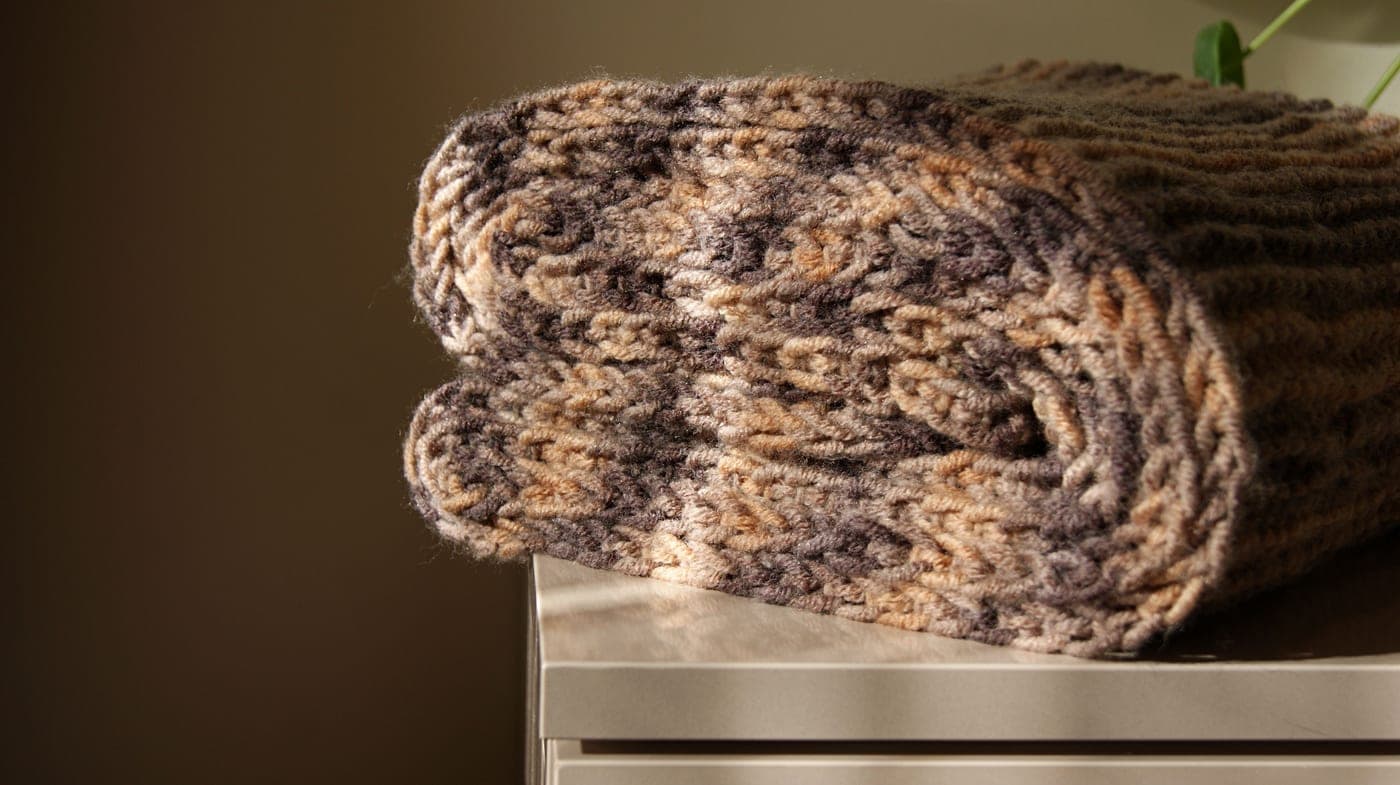 Bearaby Cotton NapperThe only mainstream weighted blanket with no beads at all - the weight is the yarn itself, so air moves straight through the knit. | Anyone who hates the sealed-duvet feeling | Bead-free: weight comes from organic cotton yarn | |
| 2 | 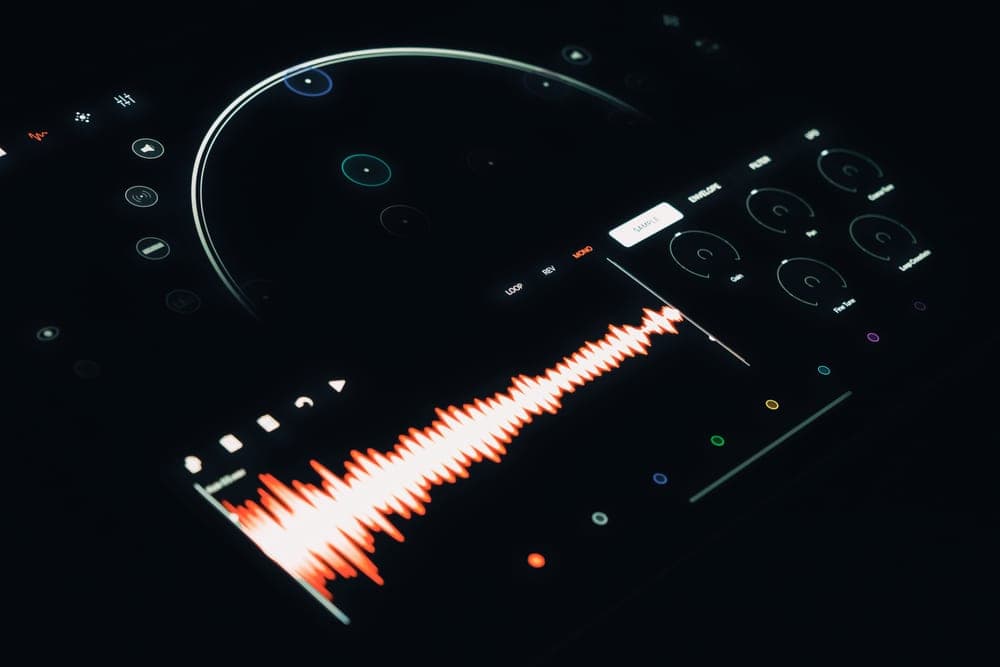 LectroFan EVOThe digital machine that solved the loop problem: 22 sounds generated rather than played back, so there is no seam to notice. | Digital variety without the loop artifact | 22 non-looping generated sounds | |
| 3 | 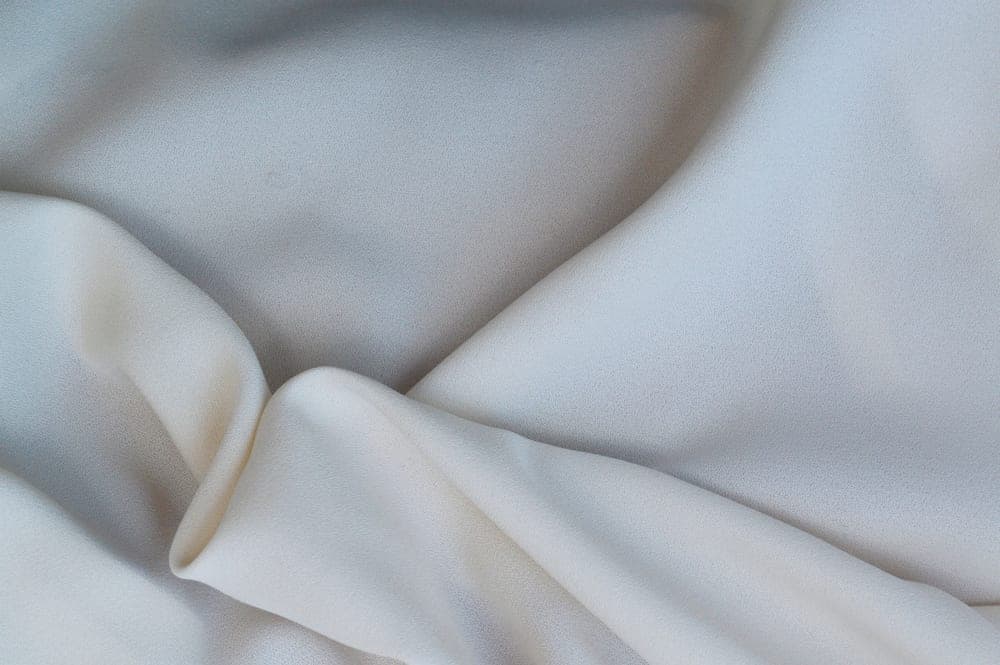 Alaska Bear Natural Silk Sleep MaskA flat silk mask that costs less than lunch and blocks a surprising amount of light - the honest default before you spend more. | The cheapest mask genuinely worth owning | Flat mulberry silk, no cups, no bulk |
We have no live price feed for this site yet, so every button reads “Check price on Amazon” rather than showing a number that could be out of date. As an Amazon Associate we earn from qualifying purchases.
Ordered by how reliably it helps this specific problem. Do the free section above first - it costs nothing and it tells you whether you need any of this.
Our top pick · Anyone who hates the sealed-duvet feeling
1. Bearaby Cotton Napper
The only mainstream weighted blanket with no beads at all - the weight is the yarn itself, so air moves straight through the knit.
- Fill:
- None - weight is long-staple organic cotton yarn
- Weights:
- 8 lb (kids and travel), 12, 15, 20, 25 lb
- Construction:
- Open hand-knit weave
- Care:
- Machine washable
What it gets right
- No beads means no shifting, no bunching and no rustling
- The open knit breathes better than any quilted shell in this roundup
- Doubles as a sofa throw without looking like medical equipment
Where it falls short
- Among the most expensive options in the category
- The open weave catches on rings, watches and rough pet claws
- Heavy knit takes a long time to dry
Skip it if: You want the tucked-in, evenly pinned feeling a bead blanket gives. The knit drapes; it does not press.
Pick 2 · Digital variety without the loop artifact
2. LectroFan EVO
The digital machine that solved the loop problem: 22 sounds generated rather than played back, so there is no seam to notice.
- Type:
- Digital, non-looping synthesis
- Sounds:
- 22, including white, pink and brown noise plus fan sounds
- Volume:
- Precise stepped control across a wide range
- Moving parts:
- None
What it gets right
- Gives you brown and pink noise, which a mechanical fan cannot
- No motor means no mechanical hum and nothing to wear out
- Compact enough to pack
Where it falls short
- Digital sound is still digital - some people hear it as flatter than moving air
- No app or alarm features
- More expensive than budget machines with far longer preset lists
Skip it if: You specifically want the texture of real moving air. Get the Dohm instead.
Pick 3 · The cheapest mask genuinely worth owning
3. Alaska Bear Natural Silk Sleep Mask
A flat silk mask that costs less than lunch and blocks a surprising amount of light - the honest default before you spend more.
- Material:
- Natural mulberry silk shell
- Profile:
- Flat - sits against the face
- Strap:
- Elasticated, adjustable
- Packability:
- Folds to nothing
What it gets right
- Almost nothing to feel against a pillow, so side sleepers get on with it
- Silk is kinder to skin and lashes than a foam contact surface
- Cheap enough to keep a spare in a bag
Where it falls short
- Flat masks touch the eyelid, so you cannot open your eyes underneath
- Light leaks around the nose on most faces
- Silk stains and is easily damaged in a hot wash
Skip it if: You need genuine blackout for daytime sleep. A flat mask will not get you there.
Questions people actually ask
Why can't I fall asleep when my brain won't shut off?
Lying down in a dark quiet room removes all the input that was occupying your attention, so queued thoughts arrive with nothing to compete against. Trying to force sleep makes it worse, because the effort is itself a form of alertness.
How do I stop overthinking at night?
Write the list down before you get into bed, at a table rather than in it. A lot of night-time cataloging is your brain rehearsing things it is afraid of forgetting, and writing them down is a credible promise that they are not lost.
Should I get out of bed if I can't sleep?
If you have been lying there twenty-odd minutes and are getting annoyed, yes. Do something dull in low light and go back when you feel sleepy. Lying in bed frustrated teaches you to associate the bed with frustration.
Do weighted blankets help a racing mind?
They help the physical half - restlessness, the inability to lie still. They do not touch the content of your thoughts. A 2020 randomized trial found reduced insomnia severity in people with clinical insomnia plus a psychiatric diagnosis, which is a narrower finding than the marketing implies.
Does white noise help you stop thinking?
It gives your attention something neutral and monotonous to attach to instead of silence, which for a lot of people is genuinely enough. Pink or brown noise is usually more tolerable across a whole night than white for this purpose.
Sources
- Ekholm B, Spulber S, Adler M. A randomized controlled study of weighted chain blankets for insomnia in psychiatric disorders. Journal of Clinical Sleep Medicine, 2020.
- American Academy of Sleep Medicine - Study shows weighted blankets can decrease insomnia severity (2020).
- Brown TM et al. Recommendations for daytime, evening and nighttime indoor light exposure to best support physiology, sleep and wakefulness in healthy adults. PLOS Biology, 2022.
- Papalambros NA et al. Acoustic Enhancement of Sleep Slow Oscillations and Concomitant Memory Improvement in Older Adults. Frontiers in Human Neuroscience, 2017.
Back to what to do when you can't sleep.
Read next
- Best weighted blankets for a restless mindThe picks, if the free fixes were not enough.Read it
- Can't fall asleep but exhaustedThe closely related problem, from the other side.Read it
- Best white noise machinesSomething dull for a busy mind to attach to.Read it
- Waking up at 3am every nightIf falling asleep is fine and staying asleep is not.Read it