
How this page is funded: we earn a commission if you buy through the links below, at no extra cost to you. As an Amazon Associate we earn from qualifying purchases. It does not change which products we pick or the order they appear in. Full disclosure.
How these picks were made: by comparing published specifications and clearly-credited public reporting. We do not run a laboratory, we have not measured these products, and we do not claim to have slept with them. Here is exactly how we choose.
Short version: the Hatch Rest (2nd gen) is the pick, because the feature that actually solves the parenting problem is its Time-to-Rise color cue - the light turns a color you agreed on, and that color means you may get out of bed now. A pre-reading child cannot use a clock face, and a sunrise alone tells them nothing. If you want the same idea for a fraction of the money, the hOmeLabs Sunrise gives you a colored light on a 30-minute ramp with a 5-minute snooze, and you supply the rule yourself.
Adults buy sunrise alarms because waking to light is pleasanter than waking to a siren. That is not why you are on this page. For a child, the problem is almost always one of two things: they appear at your bedside at 5:40am, or getting them out of bed at 7:15 is a daily negotiation. Those are different problems, and only one of them is about waking up.
Why the color cue beats the sunrise
A child under about six cannot read a clock, and a gradually brightening light is ambiguous - it could mean nearly morning, which is not a rule they can follow. A binary color signal is a rule they can follow: red means stay in bed, green means come and find us.
Hatch builds this in explicitly. Its own documentation for the Rest 2nd gen lists the Time-to-Rise color cue alongside 11 sound profiles, 32 volume steps and adjustable light color and brightness. Thirty-two volume steps sounds like over-engineering until you have tried to find a setting between inaudible and startling in a child’s room.
You can replicate the idea on cheaper hardware. Any clock with selectable light colors and a reliable schedule can be a stay-in-bed signal if you set it up and explain it consistently - that is what the hOmeLabs and the JALL are doing in this roundup. What you give up is the app-side ease of changing it, and the fact that Hatch’s version is designed around the habit rather than borrowed for it.
What actually matters in a child’s clock
| Feature | Why it matters for a child |
|---|---|
| An unambiguous get-up signal | The whole purchase. A color a pre-reader can act on, not a brightness level they have to interpret. |
| Fine volume control | A child’s room is small and their head is close. Coarse volume steps mean choosing between useless and alarming. |
| A genuinely dim night-light setting | This device will be on all night. Warm and dim, or it is a light-exposure problem rather than a comfort. |
| A lock, or controls a child cannot undo | A toddler who can change the schedule will change the schedule. |
| Brightness, honestly: last | Children are not the heavy sleepers in your house. Peak lux is the least important spec on this page. |
That last row is the one that separates this roundup from our main sunrise alarm roundup, where brightness is the top criterion. For adults it is. For a six-year-old it is not.
The night-light is the part you will regret getting wrong
Almost every one of these devices doubles as a night light, and that is the function it will spend the most hours performing. Two rules.
Warm, not white or blue. Harvard Health’s summary of blue light is the accessible version of why, and the 2022 PLOS Biology recommendations on nighttime indoor light are the rigorous one. A child’s room with a cheerful blue night light on all night is working against the thing you bought the clock for.
Dim enough to be almost nothing. If the dimmest setting still lights the room, it is too bright. This is a published-spec question - clocks with three brightness settings routinely cannot get low enough - and it is the most common complaint about budget units in this category. The too-bright page covers the broader version of the problem.
On sound and volume, one real caution
Several clocks here double as sound machines, and a sound machine in a child’s room has a volume rule attached. Clinical commentary on measured infant sleep machine output - Children’s Hospital of Philadelphia’s write-up of the 2014 Pediatrics measurements - found devices capable of sound pressure levels high enough to be a concern when run at maximum close to a child, and the recommendation was distance and lower volume rather than avoidance.
So: across the room rather than beside the pillow, well below maximum, and use the timer if one exists. HoMedics publishes 30, 60 and 90 minute auto shut-off on the SoundSpa Sunrise, which is exactly the feature to use. Our full safety page has the numbers.
What to expect, and what not to
Expect the color cue to work, with a caveat: it works because you taught the rule, not because the light is magic. Expect a week or two of a child testing whether the rule is real. And expect it to help far more with the 5:40am arrivals than with getting a reluctant child out of bed on a school morning - the first is a rule problem, which a light can solve, and the second is usually a sleep-duration problem, which it cannot.
If a child is genuinely hard to wake every single morning, the lever is bedtime, not the clock. The CDC publishes recommended sleep hours by age, and the gap between that figure and what is actually happening is usually the whole answer.
One last note for shared rooms and siblings: a light alarm is a room-wide event and a color cue is not private. If one child needs to get up an hour before the other, you want the quieter device on the early riser’s side, or you have bought one solution and one new problem.
Four clocks a child can actually read
Tap any row to jump to the full write-up. The photographs are licensed stock images chosen to illustrate the category - they are not photographs of these specific products, and each one’s alt text describes what is actually shown.
| # | Product | Best for | The spec that decides it | Price |
|---|---|---|---|---|
| 1 |  Hatch Rest (2nd gen)Sound machine, night light and an OK-to-wake color cue in one, with the routine programming that is the real reason people buy Hatch. | Time-to-Rise, and one device a child grows into | 11 sound profiles, 32 volume steps, Time-to-Rise color cue | |
| 2 |  hOmeLabs Sunrise Alarm ClockA long-running budget best-seller: a 30-minute light ramp, nature alarms, FM radio and a sunset dim, at the bottom of the price range. | The cheapest way to find out whether light wakes you | 30-minute sunrise ramp, sunset dimming, FM radio, colored night light | |
| 3 |  HoMedics SoundSpa SunriseThe budget crossover: four sleep sounds, four separate wake sounds, a sunrise ramp and a Bluetooth speaker in a single unit. | A sound machine and a sunrise alarm in one cheap box | 4 sleep sounds + 4 wake sounds + sunrise ramp + Bluetooth (model SS-WL100) | |
| 4 | 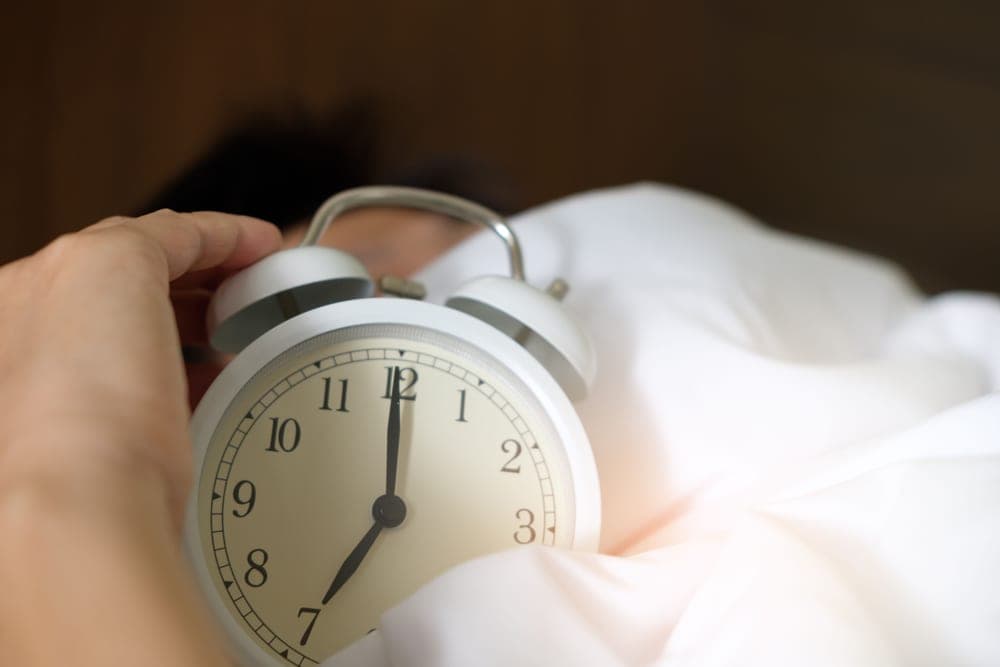 JALL Wake Up LightThe cheap way to test the idea. The light is dimmer than the premium units, but the mechanism is the same. | Finding out whether sunrise waking works for you | Full-screen display with colored sunrise, at entry-level pricing |
We have no live price feed for this site yet, so every button reads “Check price on Amazon” rather than showing a number that could be out of date. As an Amazon Associate we earn from qualifying purchases.
Ranked on whether the device gives a child an unambiguous stay-in-bed or get-up signal, then on light and sound. Every pick is a real, currently-sold product; none has been tested by us, and the specifications are the manufacturers' own.
Our top pick · Time-to-Rise, and one device a child grows into
1. Hatch Rest (2nd gen)
Sound machine, night light and an OK-to-wake color cue in one, with the routine programming that is the real reason people buy Hatch.
- Sounds:
- 11 profiles including white noise, rain, ocean and wind, plus three lullabies
- Volume:
- 32 steps
- Light:
- Adjustable color and brightness
- Control:
- Hatch Sleep app over Wi-Fi, iOS and Android
- Power:
- Mains only - the standard Rest has no battery
What it gets right
- Time-to-Rise is the feature parents keep using past the baby years
- 32 volume steps let you sit just above the room rather than well over it
- Routines run on a schedule without anyone touching the device
Where it falls short
- No battery - unplug it and it is off
- Fewer sounds than much cheaper rivals
- Some app content sits behind the Hatch+ subscription
Skip it if: You travel with it, or you need it to survive a power cut. The plug-in Rest does neither; the Rest+ adds a battery at a higher price.
Pick 2 · The cheapest way to find out whether light wakes you
2. hOmeLabs Sunrise Alarm Clock
A long-running budget best-seller: a 30-minute light ramp, nature alarms, FM radio and a sunset dim, at the bottom of the price range.
- Sunrise:
- Light begins ramping 30 minutes before the alarm
- Sunset:
- Sleep timer dims the light back down
- Sounds:
- Nature alarms - birds, ocean, lullaby - plus FM radio
- Light:
- Multiple color options, 3 display brightness settings
- Snooze:
- 5 minutes
What it gets right
- Cheap enough to treat as an experiment rather than a commitment
- Sunset dimming is unusual at this price
- Doubles as a colored bedside lamp
Where it falls short
- Peak brightness is well below a premium wake-up light
- Alarm sounds are thin and short-looped
- Touch controls are fiddly in the dark
Skip it if: You are a genuinely heavy sleeper. Budget lights do not put out enough light to move a heavy sleeper on their own.
Pick 3 · A sound machine and a sunrise alarm in one cheap box
3. HoMedics SoundSpa Sunrise
The budget crossover: four sleep sounds, four separate wake sounds, a sunrise ramp and a Bluetooth speaker in a single unit.
- Sounds:
- 4 for sleep, plus 4 separate wake-up sounds
- Light:
- Sunrise simulation, plus a 7-color night light
- Bluetooth:
- Yes - streams from a phone
- Timer:
- 30, 60 or 90 minute auto shut-off
- Power:
- 120V adapter included
What it gets right
- Does two jobs for the price of a cheap version of either
- Separate wake sounds, so the alarm is not just the sleep sound turned up
- Bluetooth makes it the only speaker the nightstand needs
Where it falls short
- Only four sleep sounds, and they loop
- The sunrise is dimmer and shorter than a dedicated wake-up light
- No app, and no scheduling beyond the alarm
Skip it if: The sunrise is the main event for you. A dedicated wake-up light puts far more light in the room.
Pick 4 · Finding out whether sunrise waking works for you
4. JALL Wake Up Light
The cheap way to test the idea. The light is dimmer than the premium units, but the mechanism is the same.
- Sunrise:
- Configurable ramp before the alarm
- Colors:
- Multiple selectable light colors
- Sound:
- Built-in nature sounds plus FM radio
- Extras:
- Dual alarms, snooze, USB charging port
What it gets right
- A fraction of the price of the Philips or the Hatch
- Includes dual alarms and a USB port the premium units often omit
- Low risk if you are not sure the approach suits you
Where it falls short
- Peak brightness is well below the premium units, and that is the spec that matters most
- Build quality is what the price suggests
- Display dimming is coarser than the Philips
Skip it if: You are a genuinely heavy sleeper. Buy brightness - it is the one spec you cannot compromise on.
Questions people actually ask
What is the best sunrise alarm clock for kids?
The Hatch Rest (2nd gen), because its Time-to-Rise color cue is the feature that solves the actual problem: a pre-reading child cannot use a clock face, but they can follow a rule about a color. Hatch's own documentation lists the color cue alongside 11 sound profiles and 32 volume steps, which is the fine volume control a small room needs.
At what age can a child use a sunrise alarm clock?
As soon as they can understand a rule about a color, which for most children is somewhere around two to three. Before that the device is a night light and a sound machine rather than an alarm. The sunrise itself is largely irrelevant to a child - the get-up signal is what does the work.
Do toddler clocks actually stop early waking?
They help with the 5:40am bedside arrivals, because they turn a vague instruction into an unambiguous signal. They do not change when a child wakes up - only whether the child gets out of bed. Expect a week or two of testing whether the rule is real.
Should a kids' alarm clock double as a night light?
Most do, and that is the function it will perform for the most hours - so get it right. The light should be warm rather than blue or white, and the dimmest setting should be close to nothing. Budget units with only three brightness steps often cannot get low enough.
Is it safe for a kids' clock to play white noise all night?
At a low volume and from across the room, yes. Clinical commentary on measured infant sleep machine output found devices capable of concerning sound pressure levels when played at maximum close to a child, and the recommendation was distance plus reduced volume rather than avoidance. Use the auto shut-off timer if the device has one.
Will a sunrise alarm help a child who is impossible to wake for school?
Probably not much. Difficulty waking every single morning is usually a sleep-duration problem rather than a waking-method problem, and the CDC's recommended hours by age is the more useful number to look at than any clock spec. Move bedtime first, then buy the clock.
Sources
- Hatch Support - Rest 2nd gen overview (manufacturer documentation).
- Tom's Guide - hOmeLabs sunrise alarm clock review.
- HoMedics - SoundSpa Sunrise sound machine, model SS-WL100 (manufacturer specifications).
- Children's Hospital of Philadelphia - White noise or not the right noise? (clinical commentary on Hugh SC et al., Infant Sleep Machines and Hazardous Sound Pressure Levels, Pediatrics 2014;133(4):677).
- Harvard Health Publishing - Blue light has a dark side.
- Brown TM et al. Recommendations for daytime, evening and nighttime indoor light exposure to best support physiology, sleep and wakefulness in healthy adults. PLOS Biology, 2022.
- CDC - About Sleep: recommended hours of sleep by age and sleep habits.
- Tom's Guide - The best sunrise alarm clocks, tested and ranked.
Back to the best sunrise alarm clocks.
Read next
- Best sunrise alarm clocksThe adult roundup, where brightness is the top criterion.Read it
- Best sunrise alarm clocks under $50Where most kids' clocks actually live, price-wise.Read it
- Best sound machines with a night lightThe same device category approached from the sound side.Read it
- Best weighted blanket for kidsThe other child sleep purchase, with real safety rules.Read it
- How to make a bedroom dark for sleepingWhy the dimmest night-light setting matters so much.Read it