You bought a weighted blanket because someone told you it would switch your brain off. Six weeks later it is folded on a chair, because you woke up at 2am soaked, or because it slid off the side of the bed every night, or because the weight everyone recommended turned out to be wrong for your body. That is the normal outcome, and it is almost always a matching problem rather than a category problem.
A weighted blanket does exactly one thing: it applies broad, even, continuous pressure across your body. Whether that helps depends on three variables most roundups skip - how much the blanket weighs relative to you, what the weight is made of, and how much heat the construction traps. Get those three right and the blanket works. Get any one wrong and it ends up on the chair.
The first decision is not which blanket
It is how heavy. The widely used starting point is about ten percent of your body weight, and it is the one number to settle before you look at a single product page. A 130 lb sleeper and a 210 lb sleeper are not shopping in the same part of the catalog, and buying the popular 15 lb option because it is the popular option is the most common way this purchase goes wrong.
The weight question has its own page, because it deserves more than a line: how heavy your weighted blanket should be, including what to do when the ten percent rule lands you between two available sizes, and when to deliberately go lighter.
What the evidence actually supports
This category attracts overclaiming, so it is worth being precise. The best-known controlled trial is Ekholm and colleagues in the Journal of Clinical Sleep Medicine (2020), which randomized 120 adults with clinical insomnia alongside a psychiatric diagnosis to four weeks with either a chain-weighted blanket or a control blanket. The weighted-blanket group reported significantly reduced insomnia severity and better sleep maintenance, and were far more likely to reach remission than the control group.
Two honest caveats. First, that population was people with diagnosed insomnia and a co-occurring psychiatric condition, not the general public who simply sleep badly. Second, ten participants assigned the 8 kg blanket found it too heavy and were moved down to 6 kg - a real-world reminder that weight matching matters more than brand. We are not a medical publisher and nothing here is treatment advice. This is a comfort product with a genuine evidence base behind it, which is a narrower claim than the marketing usually makes.
The heat problem nobody warns you about
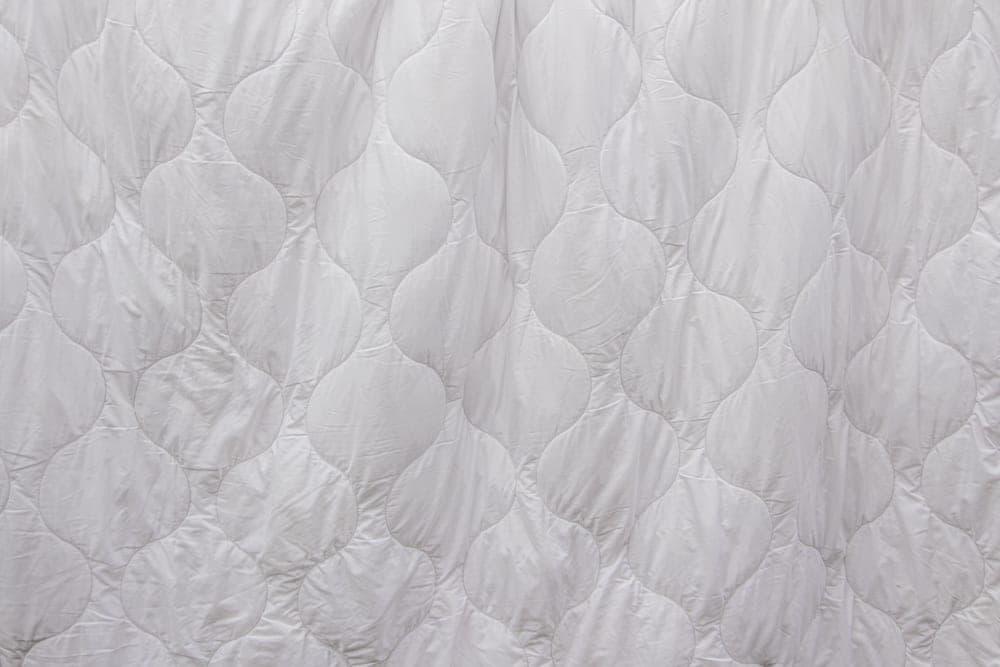
The complaint that recurs most across public reporting for this category is not weight. It is temperature. A conventional weighted blanket is a quilted sandwich: shell fabric, a liner, and a layer of glass beads sewn between them. That is three layers of material and a lot of trapped air, on top of whatever duvet you already sleep under.
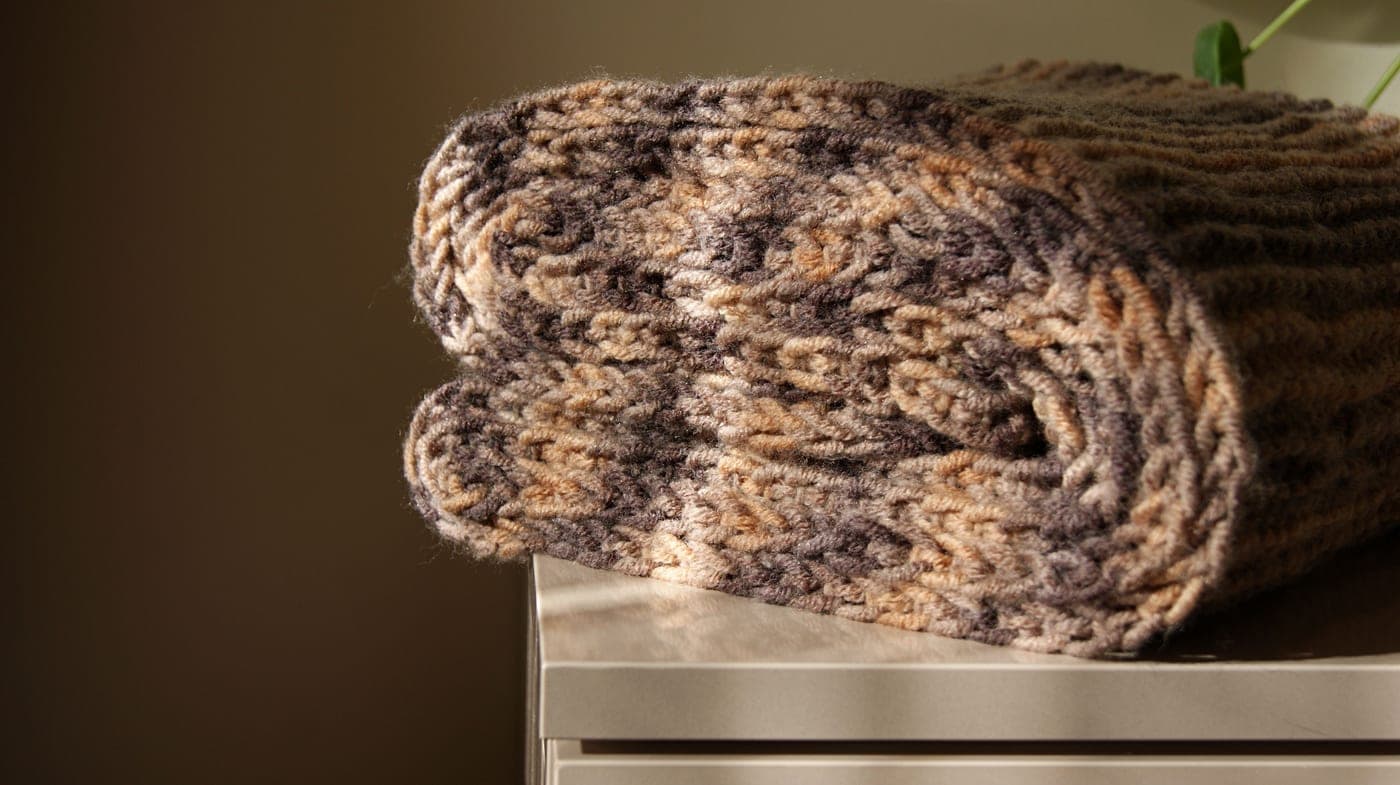
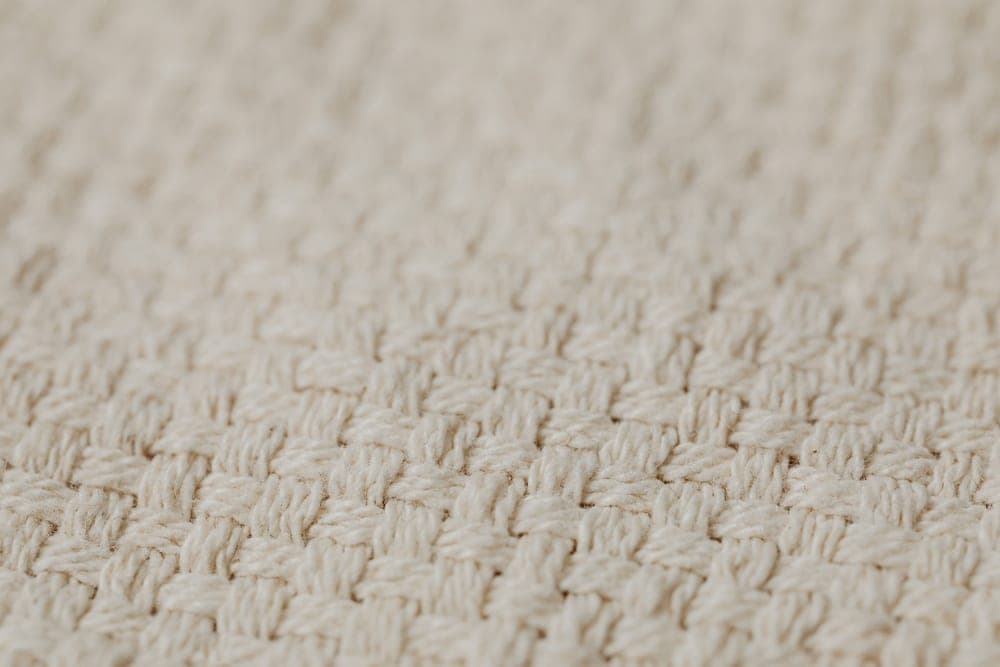
Manufacturers solve this two ways, and they are genuinely different. The first is fiber choice: Tencel lyocell and cotton move moisture better than the polyester minky most budget blankets use on at least one face. The second is construction: a bead-free knit gets its weight from dense yarn instead of fill, so there is no sealed pocket of air at all and the weave itself is full of gaps.
If you already know you sleep hot, start at the best weighted blankets for hot sleepers rather than working down this list. It is a genuinely different shortlist, not the same one reordered.
Glass beads, plastic pellets, or no beads at all
The fill is the second spec that changes how the blanket feels, and it is buried in prose on most competitor pages. The short version: glass microbeads are the modern default because they are dense, quiet and machine washable; plastic poly-pellets are cheaper, bulkier for the same weight and noisier; and knit blankets skip fill entirely. The full comparison is laid out as a table on the weighted blanket bead guide.
Who should skip this category entirely
A weighted blanket is the wrong purchase if any of these is you, and we would rather say so than sell you one:
- Your problem is noise. Weight does nothing for a snoring partner or a loud street. Start at the best earplugs for sleeping instead - the effective option there costs under twenty dollars.
- Your problem is light. Weight does nothing for a streetlight through the blinds or a daytime sleep schedule. A sleep mask is a fraction of the price and solves it.
- You already overheat under a normal duvet. Adding fifteen pounds of fabric is not the move. Fix the temperature first - here is what actually helps when you are too hot at night.
- You cannot comfortably move the blanket off yourself. That is the safety line for everyone, and it is why the weight rule exists.
Shopping for a child? Do not scale an adult recommendation down by eye - read the weighted blankets for kids guide first, because the safety rules there are different and stricter.
How we chose these five
We started from products currently on sale in the US that are backed by published specifications, then compared the specs that change the outcome: total weight options against body weight, fill type, shell fabric and breathability, baffle construction, and washability. We ruled out anything that could not be verified as currently available, anything with no published fill specification, and anything materially more expensive than a product doing the same job.
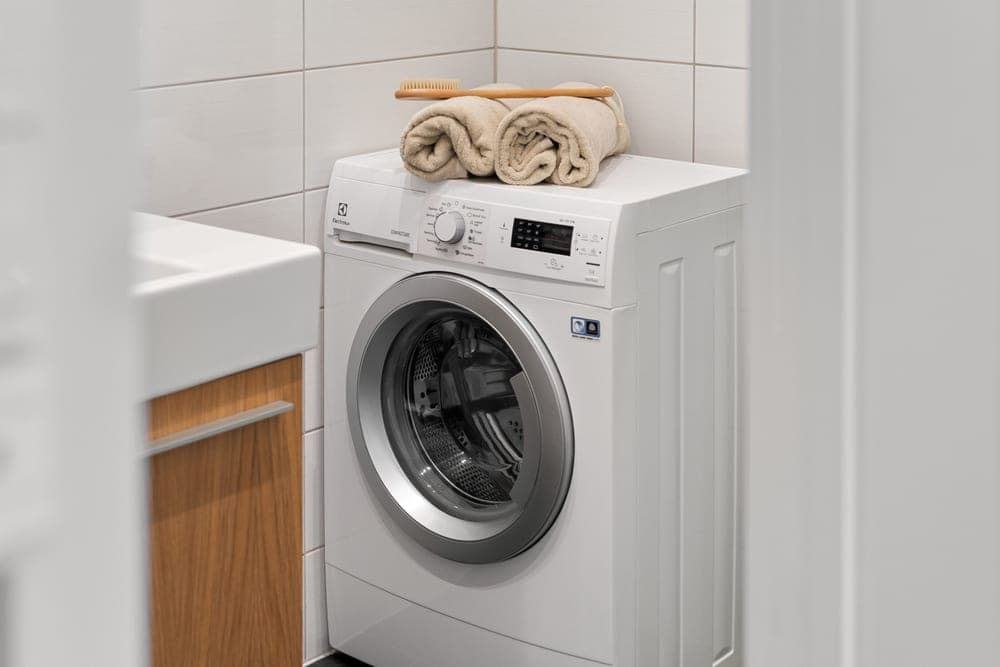
Once you have your blanket, the maintenance question arrives about three weeks later - so how to wash a weighted blanket covers it by fill type, including the one that will break your machine.