
How this page is funded: we earn a commission if you buy through the links below, at no extra cost to you. As an Amazon Associate we earn from qualifying purchases. It does not change which products we pick or the order they appear in. Full disclosure.
How these picks were made: by comparing published specifications and clearly-credited public reporting. We do not run a laboratory, we have not measured these products, and we do not claim to have slept with them. Here is exactly how we choose.
A sunrise alarm clock is a bedside lamp on a timer. Starting roughly thirty minutes before your set wake time, it fades up from a dim red-orange towards bright white, so you wake gradually to increasing light rather than abruptly to a sound. Most also have a backup sound that fires at the alarm time itself, in case the light has not done the job.
What the ramp is doing
The color path is not decorative. Units generally start at a deep warm orange and move through amber towards a bright neutral white, which approximates what happens outside during an actual dawn. The Hatch Restore 3, for example, begins its ramp around thirty minutes before the alarm and moves from deep orange to bright white.
The gradual part is the point. The idea is to give your body a long, rising signal to surface against, rather than a single abrupt interruption which is much more likely to catch you mid-way through a deep stage and leave you groggy.
Why light and not sound
Light is the primary signal your body clock uses to work out what time it is. The 2022 consensus recommendations published in PLOS Biology set a daytime target of at least 250 melanopic lux at the eye, a maximum of 10 in the three hours before bed, and no more than 1 during sleep. A modern bedroom - blackout curtains, winter mornings, a north-facing window - can easily deliver nothing at the morning end of that.
A sunrise alarm is an attempt to supply that missing morning light indoors. Note the careful framing: that guidance is about light exposure in general, not an endorsement of any product, and we are not claiming a specific health outcome from buying a lamp.
The half most people ignore: sunset
Most of these devices also run the process backwards - fading from light to dark over a set period in the evening. It gets a fraction of the attention the sunrise gets and it is arguably more useful, because the same PLOS Biology guidance puts a maximum of 10 melanopic lux in the three hours before bed, and a normal lit room is well above that.
If your problem is falling asleep rather than waking up, the sunset function is the half of the product you are buying, and the guide to being exhausted but unable to drop off covers the rest of that picture.
What to look for
- Peak brightness. The one spec that decides whether it wakes you at all. Everything else is preference. The hub explains the numbers.
- Adjustable ramp duration. Thirty minutes is the common default; being able to lengthen it is worth having.
- Display dimming steps. This device sits lit beside your bed all night. A clock face you cannot dim is a light-pollution problem you bought on purpose.
- Whether basic function needs an app or an account. Some units need neither; some gate their sound library behind a subscription.
- Backup sound behavior. A ramping volume is far better than an instant klaxon.
Who it suits, and who it does not
It suits you if
- You wake in the dark for most of the year
- You find sound alarms genuinely unpleasant
- You share a bed with someone who wakes at a different time
- You use earplugs and cannot hear a conventional alarm - this is the standard fix for that
It does not suit you if
- You sleep with the curtains open and already wake with the sun
- You sleep during the day - you need less light, not more
- Your actual problem is not getting enough hours in bed
If you are still weighing it up, we have written a straight verdict on whether they are worth it.
Where to start if this sounds right
Tap any row to jump to the full write-up. The photographs are licensed stock images chosen to illustrate the category - they are not photographs of these specific products, and each one’s alt text describes what is actually shown.
| # | Product | Best for | The spec that decides it | Price |
|---|---|---|---|---|
| 1 | 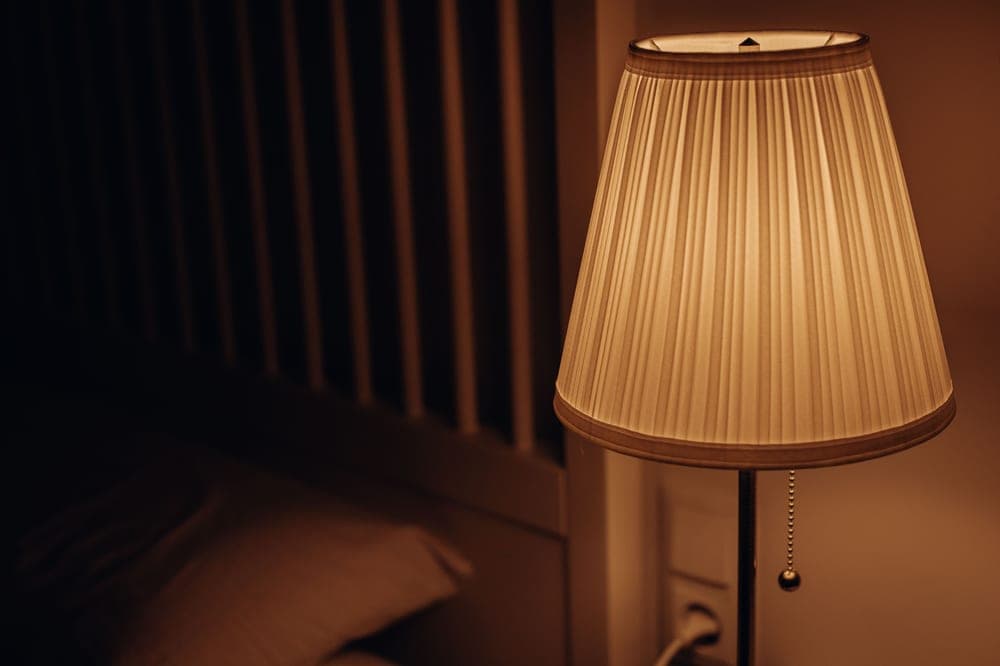 Philips SmartSleep Wake-Up Light HF3520The reference sunrise. No account, no app, no monthly fee - a dial, twenty brightness steps, and a light that ramps properly. | Sunrise quality with no app and no subscription | 20 light-intensity settings, no app or subscription | |
| 2 | 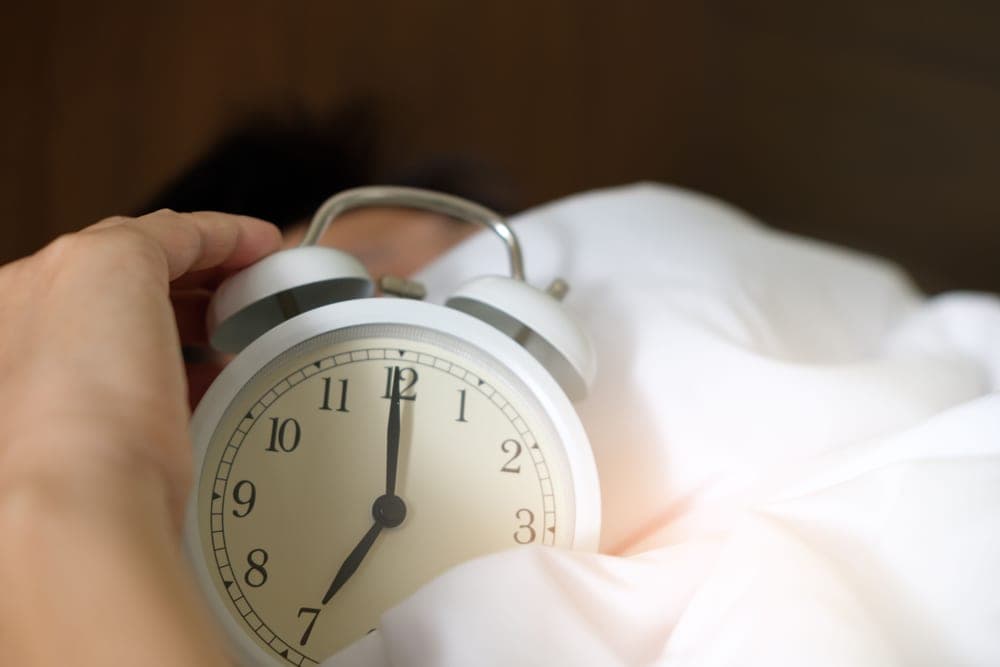 JALL Wake Up LightThe cheap way to test the idea. The light is dimmer than the premium units, but the mechanism is the same. | Finding out whether sunrise waking works for you | Full-screen display with colored sunrise, at entry-level pricing |
We have no live price feed for this site yet, so every button reads “Check price on Amazon” rather than showing a number that could be out of date. As an Amazon Associate we earn from qualifying purchases.
One reference-quality unit and one cheap one. The cheap one exists so you can find out whether the approach suits you before committing.
Our top pick · Sunrise quality with no app and no subscription
1. Philips SmartSleep Wake-Up Light HF3520
The reference sunrise. No account, no app, no monthly fee - a dial, twenty brightness steps, and a light that ramps properly.
- Light settings:
- 20 intensity levels
- Sunrise:
- Colored sunrise simulation before the alarm
- Sound:
- Natural wake-up sounds plus FM radio
- Account:
- None required
What it gets right
- Nothing to sign up for and nothing to update - it is an appliance
- Twenty brightness steps means you can actually find a comfortable display level
- Long-standing design with a well-understood service life
Where it falls short
- No app, so scheduling is manual
- The sound library is small and dated
- Larger footprint than the smart units
Skip it if: You want a sound machine and a sunrise in one device. This is a light first and foremost.
Pick 2 · Finding out whether sunrise waking works for you
2. JALL Wake Up Light
The cheap way to test the idea. The light is dimmer than the premium units, but the mechanism is the same.
- Sunrise:
- Configurable ramp before the alarm
- Colors:
- Multiple selectable light colors
- Sound:
- Built-in nature sounds plus FM radio
- Extras:
- Dual alarms, snooze, USB charging port
What it gets right
- A fraction of the price of the Philips or the Hatch
- Includes dual alarms and a USB port the premium units often omit
- Low risk if you are not sure the approach suits you
Where it falls short
- Peak brightness is well below the premium units, and that is the spec that matters most
- Build quality is what the price suggests
- Display dimming is coarser than the Philips
Skip it if: You are a genuinely heavy sleeper. Buy brightness - it is the one spec you cannot compromise on.
Questions people actually ask
What are sunrise alarm clocks?
A sunrise alarm clock is a bedside lamp on a timer. Starting around thirty minutes before your wake time it fades up from a dim red-orange towards bright white, so you wake gradually to rising light rather than abruptly to a sound. Most also carry a backup sound at the alarm time.
How long does a sunrise alarm take to brighten?
Thirty minutes is the common default. Better units let you adjust it - longer suits heavy sleepers and anyone who wants a gentler surface, shorter suits people who would sleep through the early dim phase anyway.
Do sunrise alarm clocks have a normal alarm sound too?
Almost all of them do, as a backup that fires at the actual alarm time if the light has not woken you. Keep it enabled until you are confident the light alone wakes you reliably.
Can a sunrise alarm clock be used as a lamp?
Most can be switched on as a reading lamp independently of the alarm, and most also run the ramp backwards as a sunset fade in the evening. The sunset function gets far less attention than it deserves.
Is a sunrise alarm clock the same as a SAD lamp?
No. A sunrise alarm is a gradual wake-up light; a SAD lamp is a high-intensity therapy device used for a fixed session, and is far brighter.
Sources
- Brown TM et al. Recommendations for daytime, evening and nighttime indoor light exposure to best support physiology, sleep and wakefulness in healthy adults. PLOS Biology, 2022.
- Sleep Foundation - Best Sunrise Alarm Clocks.
- Optimize Your Biology - Best Sunrise Alarm Clocks 2026 (independent light-meter measurements, theirs not ours).
Back to the best sunrise alarm clocks.
Read next
- Are sunrise alarm clocks worth it?A straight verdict, with who should skip it.Read it
- Best sunrise alarm clocksThe picks, ranked on brightness.Read it
- Sunrise alarm clock vs SAD lampTwo very different devices, often confused.Read it
- How to stop hitting snoozeWhat this device is really trying to fix.Read it