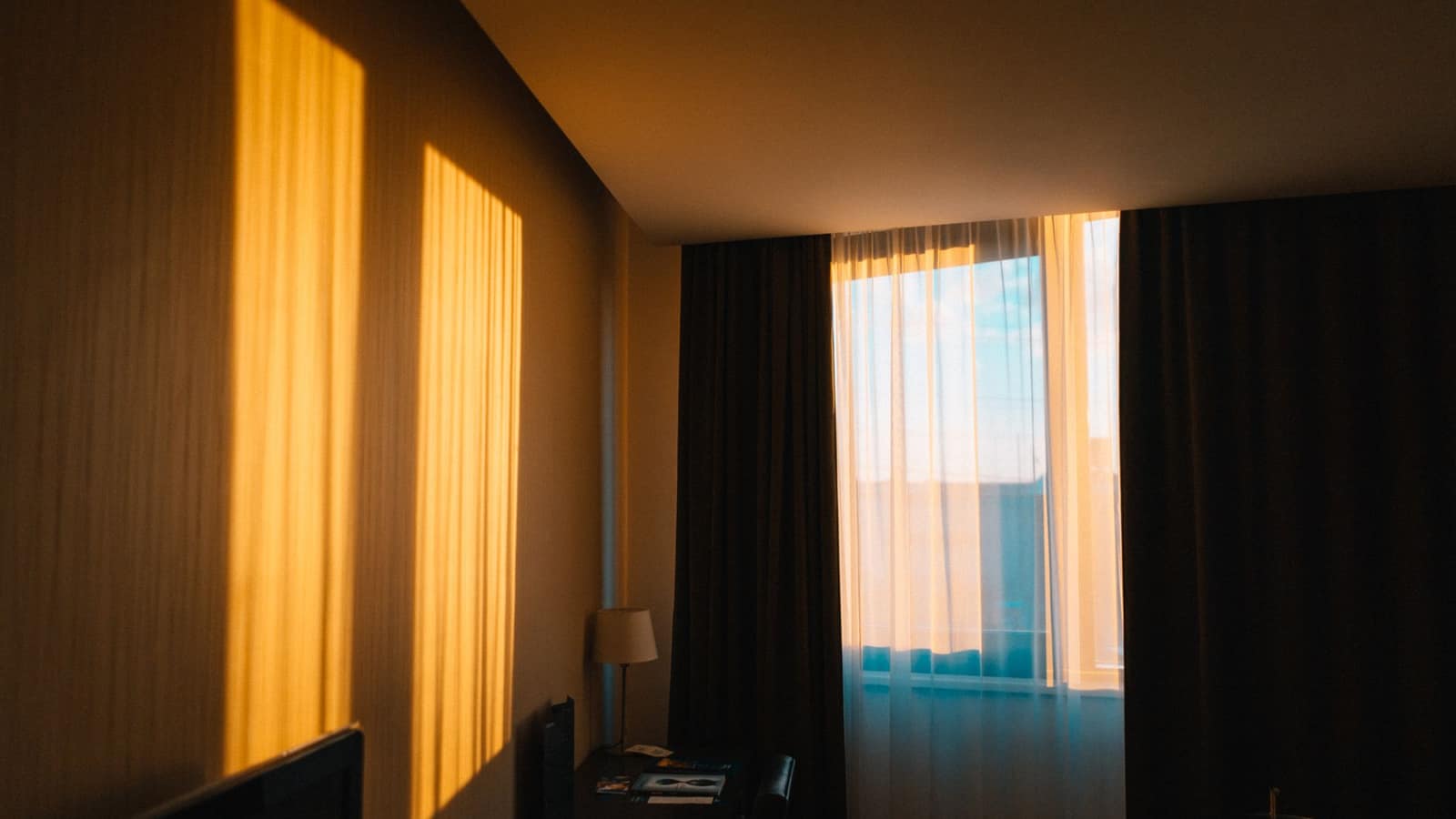

How this page is funded: we earn a commission if you buy through the links below, at no extra cost to you. As an Amazon Associate we earn from qualifying purchases. It does not change which products we pick or the order they appear in. Full disclosure.
How these picks were made: by comparing published specifications and clearly-credited public reporting. We do not run a laboratory, we have not measured these products, and we do not claim to have slept with them. Here is exactly how we choose.
Short verdict: buy it if the length of the sunrise is what you care about. Lumie publishes 15 to 90 minute adjustable sunrise and sunset durations on the Shine 300 - a range neither Philips nor Hatch matches - along with 15 wake and sleep sounds, a light-sensitive auto-dimming display, FM radio, a 3-year warranty and a 45-day trial. Skip it if you want app scheduling, if you want a sound machine, or if US availability and after-sales support matter to you more than ramp control. It is a specialist’s wake-up light from a light-therapy manufacturer, and it reads like one.
We have not tested this unit. Everything below is from Lumie’s published specifications and clearly attributed third-party reporting, and we assign no score or star rating - our method is on the record.
The spec that matters: an adjustable ramp in both directions
Nearly every wake-up light has a fixed ramp. Hatch publishes roughly 30 minutes. Budget units are usually 15 or 30. Lumie publishes a 15 to 90 minute range, and crucially it applies in both directions - the sunset fades to dark on the same schedule, not as an afterthought.
Why that is the right spec to care about: for a light sleeper, a long gentle ramp is the difference between being coaxed awake and being switched on. Thirty minutes is a compromise duration chosen to suit most people; ninety is a genuine slow-dawn option, and fifteen exists for people who want the light to be a cue rather than a process. Peak brightness, by contrast, mostly matters to heavy sleepers - and if that is you, buy brightness instead.
The sunset half is underrated. A fade-to-dark on a schedule does something no alarm clock does: it makes the hour before bed darker without you deciding to turn a lamp off, which is the behavior the 2022 PLOS Biology recommendations are actually asking for.
What else Lumie publishes
| Spec | Published figure |
|---|---|
| Sunrise and sunset duration | Adjustable, 15 to 90 minutes |
| Light source | Integrated LED - warm white, orange and red |
| Sounds | 15 sleep and wake sounds, plus FM radio |
| Display | Light-sensitive auto-dimming; fades low or off at night |
| Alarms | Daily and weekly options, audio optional |
| Snooze | Tap control |
| Also does | Dimmable bedside reading light and a nightlight setting |
| Warranty and trial | 3-year warranty, 45-day trial |
Two of those deserve a second look. The auto-dimming display is a feature the rest of the category solves with a manual setting you forget to change; a display that reads the room and takes itself out of your eye line is genuinely better engineering than 20 manual steps. And the warm white, orange and red LED set is the right color palette - red and amber are the wavelengths you want in a bedroom at night, which is the practical consequence of the blue-light literature.
Who should buy it
- Light sleepers who find 30 minutes abrupt. The 60 to 90 minute end of the range is the reason this device exists, and nothing mainstream offers it.
- People who want a real sunset. If your problem is the hour before bed rather than the moment of waking, the matching fade is worth more than any feature on the Hatch.
- Anyone who does not want an account. Physical controls, no app, no subscription. Same appeal as the Philips, with better ramp control.
- People who hate bright bedside displays. Auto-dimming is the best answer in the category to a problem every clock has.
Who should not
- Anyone who wants app scheduling. There is none. If your wake time changes constantly, physical controls become a daily chore - the app roundup is your page instead.
- Anyone who wants a sound machine. Fifteen sounds plus radio is a wake-and-sleep selection, not a masking library. For that, buy a sound machine and let it be a sound machine.
- Heavy sleepers. A long gentle ramp is exactly the wrong approach if light alarms have failed you before. Brightness, sound, or a shaker.
- Bargain hunters. It is priced with the premium units and it is a UK brand, so US availability is patchier and returns are more awkward than with Philips or Hatch. The under-$50 roundup is a more honest starting point if you are testing whether light waking works for you at all.
Against the Philips and the Hatch
Against the Philips HF3520: Lumie wins on ramp duration and display behavior, Philips wins on US availability, price stability and its 20 manual intensity settings if you prefer control to automation. The two are philosophically the same device - an appliance, no account - and the choice is ramp control versus distribution.
Against the Hatch Restore 3: not really a contest, because they are not the same product. Hatch is a connected bedside platform with a content subscription; Lumie is a light-therapy device. If the content library is what you want, Lumie has nothing to offer you. We compared those two directly if that is the real decision.
Independent measurement is the right way to check our reasoning on light performance rather than taking our word for it - light-meter comparisons for this category exist, and those measurements are theirs, not ours, alongside Tom’s Guide and Sleep Foundation.
The verdict
The Shine 300 is the thinking person’s wake-up light. It is built by a company that makes nothing but light-therapy devices, its headline specification is the one that actually matters to light sleepers, and the auto-dimming display solves a problem the whole category otherwise fudges. It is also dated, app-less, premium-priced and harder to buy in the US than its two rivals.
Buy it if ramp length and a real sunset are why you are shopping. Buy the Philips if you want the same philosophy with easier availability, and the Hatch if you want the evening routine rather than the light.
The Lumie, and the two it competes with
Tap any row to jump to the full write-up. The photographs are licensed stock images chosen to illustrate the category - they are not photographs of these specific products, and each one’s alt text describes what is actually shown.
| # | Product | Best for | The spec that decides it | Price |
|---|---|---|---|---|
| 1 | 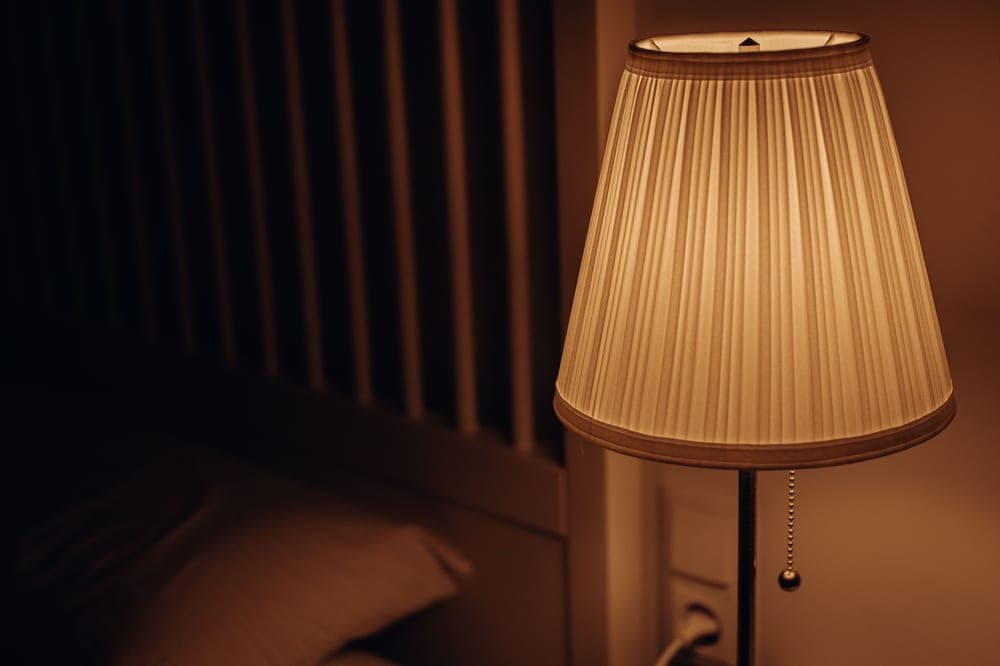 Lumie Bodyclock Shine 300The specialist's pick: adjustable ramp duration in both directions, from a manufacturer that only makes light-therapy devices. | Long, slow sunrises and a proper sunset | Adjustable sunrise and sunset durations | |
| 2 | 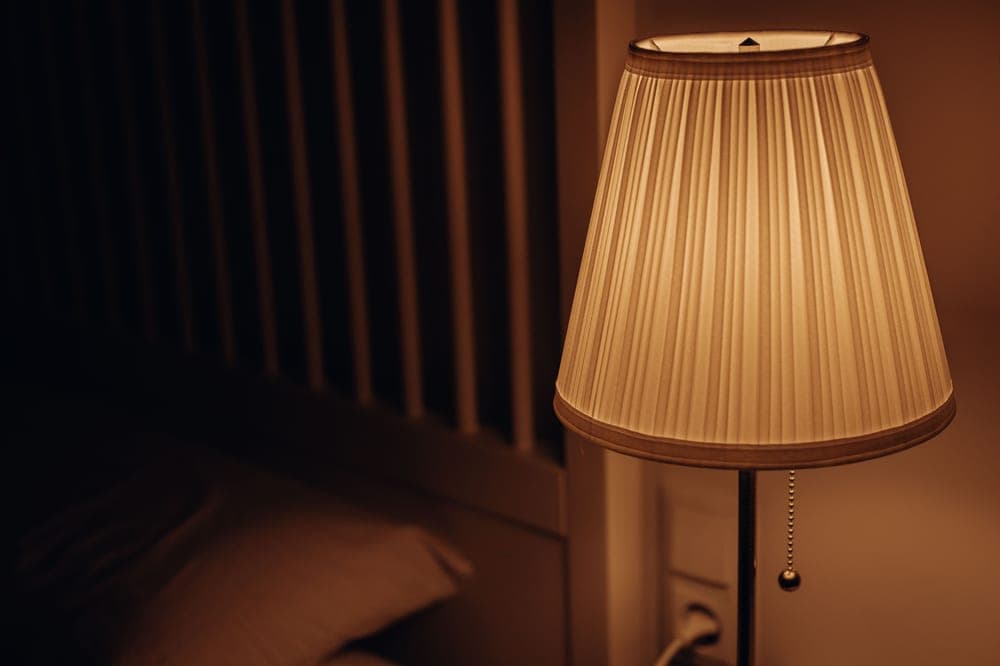 Philips SmartSleep Wake-Up Light HF3520The reference sunrise. No account, no app, no monthly fee - a dial, twenty brightness steps, and a light that ramps properly. | Sunrise quality with no app and no subscription | 20 light-intensity settings, no app or subscription | |
| 3 | 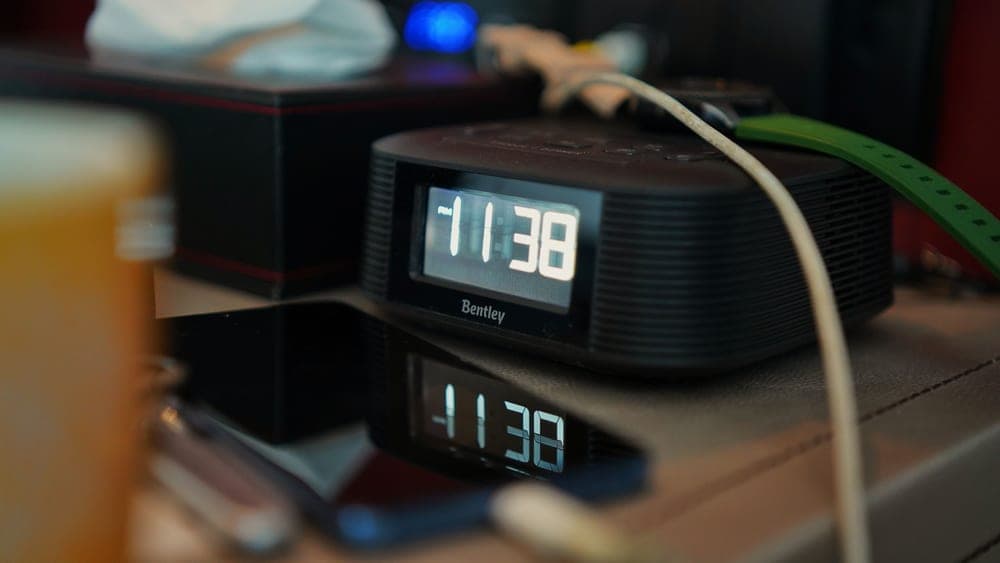 Hatch Restore 3The most complete bedside device of the group - sunrise, wind-down, sound library and alarms in one - and the only one with a subscription attached. | One device for the whole bedtime routine | Roughly 30-minute sunrise, deep orange through to bright white |
We have no live price feed for this site yet, so every button reads “Check price on Amazon” rather than showing a number that could be out of date. As an Amazon Associate we earn from qualifying purchases.
The Shine 300 plus both mainstream alternatives, so you can see what you give up either way. Every pick is a real, currently-sold product; none has been tested by us, and the specifications are the manufacturers' own.
Our top pick · Long, slow sunrises and a proper sunset
1. Lumie Bodyclock Shine 300
The specialist's pick: adjustable ramp duration in both directions, from a manufacturer that only makes light-therapy devices.
- Sunrise:
- Adjustable duration, short through extended
- Sunset:
- Matching fade-to-dark on the same schedule
- Sound:
- Wake and sleep sounds plus radio
- Specialism:
- Light-therapy manufacturer
What it gets right
- The sunset fade is as well implemented as the sunrise, which is rare
- Duration control matters more than peak brightness for light sleepers
- No subscription
Where it falls short
- Priced with the premium units without the smart features
- US availability is patchier than Philips or Hatch
- Dated interface
Skip it if: You want app scheduling. This is a well-made physical device with physical controls.
Pick 2 · Sunrise quality with no app and no subscription
2. Philips SmartSleep Wake-Up Light HF3520
The reference sunrise. No account, no app, no monthly fee - a dial, twenty brightness steps, and a light that ramps properly.
- Light settings:
- 20 intensity levels
- Sunrise:
- Colored sunrise simulation before the alarm
- Sound:
- Natural wake-up sounds plus FM radio
- Account:
- None required
What it gets right
- Nothing to sign up for and nothing to update - it is an appliance
- Twenty brightness steps means you can actually find a comfortable display level
- Long-standing design with a well-understood service life
Where it falls short
- No app, so scheduling is manual
- The sound library is small and dated
- Larger footprint than the smart units
Skip it if: You want a sound machine and a sunrise in one device. This is a light first and foremost.
Pick 3 · One device for the whole bedtime routine
3. Hatch Restore 3
The most complete bedside device of the group - sunrise, wind-down, sound library and alarms in one - and the only one with a subscription attached.
- Sunrise:
- Gradual ramp beginning around 30 minutes before the alarm
- Color path:
- Deep orange warming to bright white
- Sound:
- Built-in sound library plus alarm tones
- App:
- Required for setup; premium library is subscription-gated
What it gets right
- Sunrise, wind-down and sound machine in a single footprint
- The app makes complex schedules genuinely easy to set
- The display dims properly, unlike most clock radios
Where it falls short
- The best sound content sits behind a subscription
- App dependency: no phone, no changes
- Most expensive way to buy a sunrise
Skip it if: You resent subscriptions. The Philips does the light half with no account at all.
Questions people actually ask
Is the Lumie Bodyclock Shine 300 worth it?
If the length of the sunrise is what you care about, yes - Lumie publishes 15 to 90 minute adjustable sunrise and sunset durations, a range neither Philips nor Hatch matches, plus a light-sensitive auto-dimming display and a 3-year warranty. If you want app scheduling, a sound machine or easy US availability, it is the wrong purchase.
How long is the Lumie Shine 300 sunrise?
Adjustable from 15 to 90 minutes, and the sunset fade runs on the same adjustable schedule rather than as a fixed afterthought. Most competitors have a fixed ramp - Hatch publishes roughly 30 minutes - so the long end of Lumie's range is the feature you are paying for.
Lumie or Philips: which sunrise alarm is better?
Lumie wins on ramp duration and on its auto-dimming display, which takes itself out of your eye line without you remembering to adjust it. Philips wins on US availability, price stability and its 20 manual light-intensity settings. They are the same kind of device - an appliance with no account - so pick ramp control or distribution.
Does the Lumie Bodyclock have an app?
No. Scheduling is done on the device with physical controls, which is a feature if you resent accounts and a chore if your wake time changes day to day. There is also no subscription of any kind.
Does the Lumie Shine 300 work as a sound machine?
Not really. It carries 15 wake and sleep sounds plus FM radio, which is a selection rather than a masking library, and it has no streaming. If you want one device to mask noise all night and wake you with light, the Hatch Restore is the device built for that.
Is the Lumie bright enough for a heavy sleeper?
We would not buy it for that. A long, gentle ramp is the opposite of what wakes someone who has already slept through a light alarm - brightness, a real sound alarm or a bed shaker is the answer there, and that is a different purchase entirely.
Sources
- Lumie - Bodyclock Shine 300 (manufacturer specifications: 15 to 90 minute sunrise and sunset durations, 15 wake and sleep sounds, light-sensitive auto-dimming display, FM radio).
- Philips - SmartSleep Wake-up Light HF3520 product page (manufacturer specifications: colored sunrise simulation and 20 light-intensity settings).
- Hatch - Restore 3 product page (manufacturer specifications and current subscription terms).
- Optimize Your Biology - Best Sunrise Alarm Clocks 2026 (independent light-meter measurements, theirs not ours).
- Tom's Guide - The best sunrise alarm clocks, tested and ranked.
- Sleep Foundation - Best Sunrise Alarm Clocks.
- Brown TM et al. Recommendations for daytime, evening and nighttime indoor light exposure to best support physiology, sleep and wakefulness in healthy adults. PLOS Biology, 2022.
- Harvard Health Publishing - Blue light has a dark side.
Back to the best sunrise alarm clocks.
Read next
- Best sunrise alarm clocksThe full roundup and where the Lumie sits in it.Read it
- Hatch Restore vs Philips SmartSleepThe mainstream decision, if this one is too niche.Read it
- Philips SmartSleep reviewSame philosophy, easier to buy in the US.Read it
- Best sunrise alarm clocks with an appIf app scheduling is non-negotiable, start here.Read it
- How sunrise alarm clocks actually workWhy ramp duration matters more than peak brightness.Read it