
How this page is funded: we earn a commission if you buy through the links below, at no extra cost to you. As an Amazon Associate we earn from qualifying purchases. It does not change which products we pick or the order they appear in. Full disclosure.
How these picks were made: by comparing published specifications and clearly-credited public reporting. We do not run a laboratory, we have not measured these products, and we do not claim to have slept with them. Here is exactly how we choose.
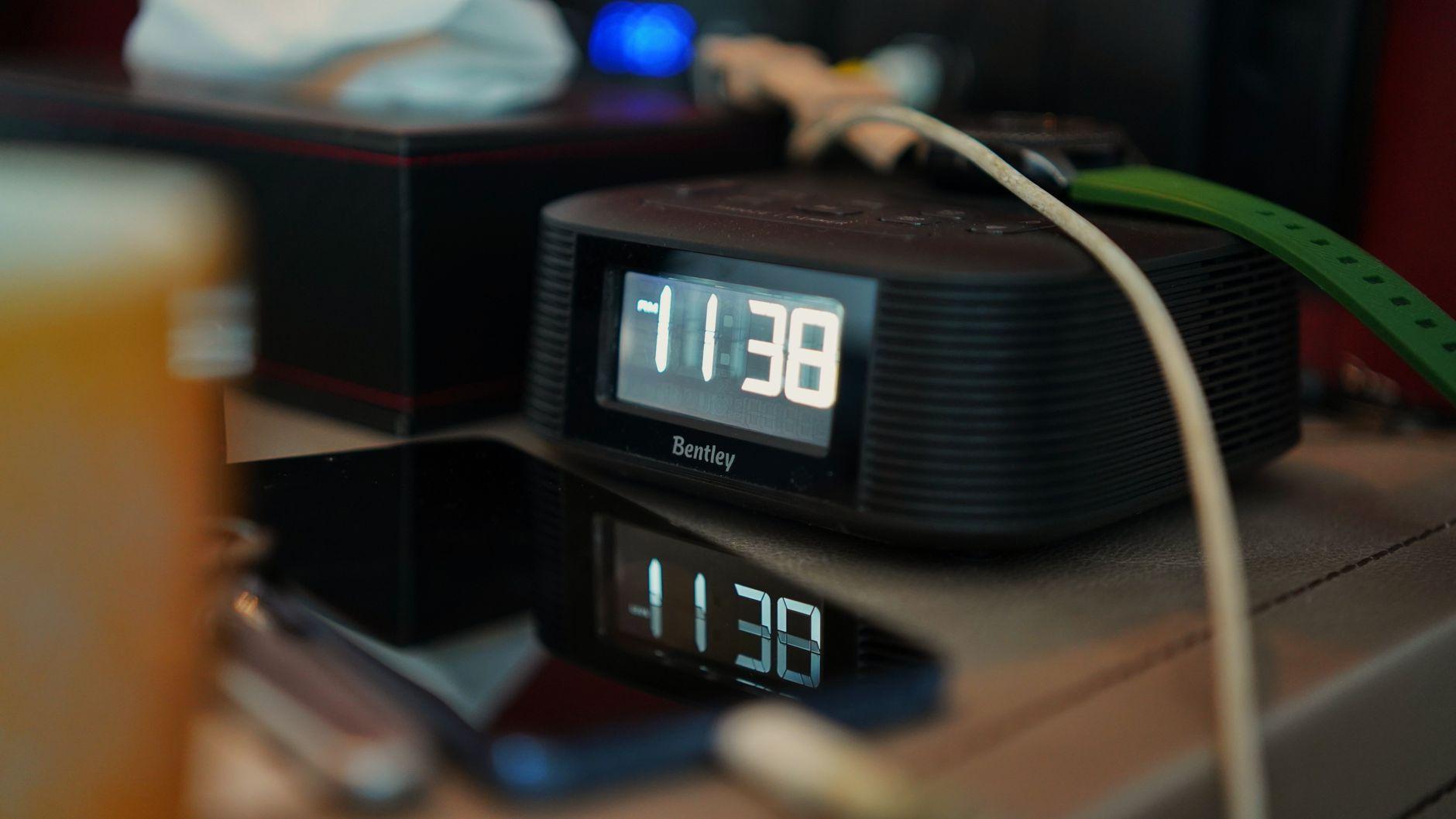
Short version: your phone wins on cost, flexibility and travel, and loses on the two things that decide whether you get up. A phone screen is far too small and too dim to light a room, and dismissing a phone alarm is the same swipe you make hundreds of times a day, so it requires no decision at all. If snoozing is your problem, buy hardware and put it across the room. If snoozing is not your problem, keep your phone and save the money.
This is the comparison nearly everyone makes before buying a sunrise alarm, and most pages that address it are selling a clock. So here is the version that admits where the phone is better. The full hardware ranking lives on best sunrise alarm clocks if you have already decided.
The comparison, honestly
| Factor | Sunrise alarm clock | Phone alarm |
|---|---|---|
| Light output | Lights a room; ramps for 20-90 minutes | A screen at arm’s length. Not comparable |
| Dismiss friction | High if placed across the room | Almost none - a familiar swipe |
| Cost | Real money, from budget to premium | Free, already owned |
| Travel | Mostly mains-powered bedside furniture | Always with you |
| Backup and reliability | Fixed alarm, no notifications, no battery anxiety | Depends on charge, updates and silent-mode mistakes |
| Keeping the phone out of the bedroom | Makes it possible | Makes it impossible by definition |
Why a phone cannot do the light part
The mechanism a sunrise alarm relies on is light reaching your eyes through closed lids and gradually ending sleep before any sound arrives. That requires a light source that illuminates a room.
A phone cannot be that. It is a small panel designed to be viewed from a foot away, it is usually face-down or in a case, and nothing about a slowly brightening screen on a nightstand reaches your eyes meaningfully through a duvet and a closed lid. Sunrise features in alarm apps are not fraudulent - they do ramp - they are simply delivering a fraction of the stimulus. The mechanism itself is covered on how sunrise alarm clocks work, and the dedicated hardware publishes real numbers: Philips, for instance, specifies a colored sunrise simulation with 20 light-intensity settings.
Worth noting what this does not prove: a brighter light is not automatically a better wake. Plenty of people sleep through light entirely, which is the argument of the heavy-sleeper roundup. The point is only that if you want to try light, a phone is not a test of it.
Why a phone loses on the snooze
This is the part we think matters more than the light, and it is behavioral rather than technical.
Dismissing a phone alarm uses the same gesture, on the same device, in the same position as every other interaction you have with it. There is no friction and no decision - your hand does it before you are conscious enough to have an opinion. A clock across the room requires standing up, and standing up is most of the battle. Our full treatment of this is how to stop hitting snooze.
Two secondary effects follow from the same change. A phone on the nightstand is also the thing that kept you up, so moving the alarm out of it lets the phone charge in another room. And a phone alarm shares a device with notifications, silent-mode toggles and overnight updates - each of which is a small chance of failure that a dumb clock does not have.
Where the phone genuinely wins
- Travel. Most sunrise clocks are mains-powered and shaped badly for a bag. For one or two nights away, your phone and a gap in the curtains beat packing anything - travel sunrise alarms is honest about how narrow this category is.
- Complex schedules. Shift patterns, different times on different days, one-off early starts. Phone alarms are far better at this than most clock interfaces, and the night-shift page leans on it.
- You are not a snoozer. If you get up when the alarm goes, you are buying a solution to a problem you do not have. Save the money.
- Budget. It is free. A cheap sunrise clock is a real cost for an unproven benefit, which is why the JALL is on this page at all - it is the cheapest honest test.
The setup we would actually recommend
Use both, with different jobs. The sunrise clock is the primary wake, placed across the room and facing the bed, with a long ramp and a sound trigger at the end. The phone - charging in another room, or at minimum out of arm’s reach - is the backup alarm set for ten minutes later.
That gets you the light, the friction and the reliability, and it costs nothing beyond the clock. It also lets you drop the clock the moment it stops earning its place: if after a month the phone backup is always the thing that wakes you, light is not your mechanism and a bed shaker or a louder approach is the next thing to try rather than a brighter lamp.
One last framing. If your mornings are hard because your body clock runs late rather than because your alarm is wrong, the clock is only part of the fix - sunrise alarms for ADHD and alarm clocks for teens are both about that mismatch, and both say the same thing: the evening matters as much as the morning. If you would rather not use an alarm at all, waking without an alarm is the endgame, and are sunrise alarms worth it is the skeptic’s version of this whole page.
If you decide on hardware, these three
Tap any row to jump to the full write-up. Each thumbnail is the product photograph from that item’s own Amazon listing, and the price in the last column is the one Amazon showed at the last check.
| # | Product | Best for | The spec that decides it | Price |
|---|---|---|---|---|
| 1 | 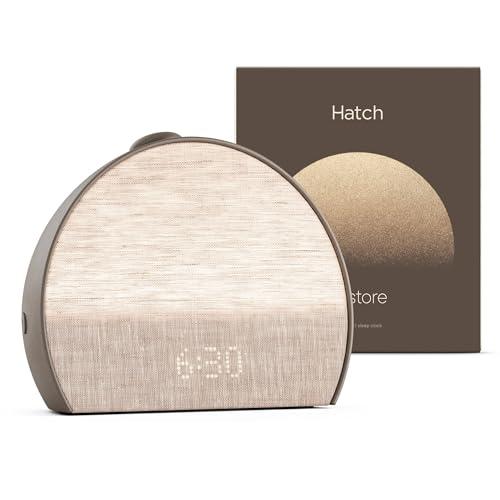 Hatch Restore 3The most complete bedside device of the group - sunrise, wind-down, sound library and alarms in one - and the only one with a subscription attached. | One device for the whole bedtime routine | Roughly 30-minute sunrise, deep orange through to bright white | |
| 2 | 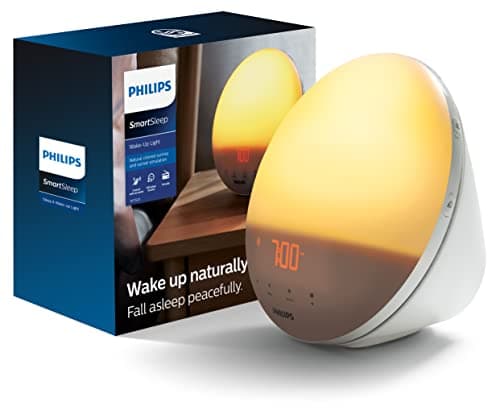 Philips SmartSleep Wake-Up Light HF3520The reference sunrise. No account, no app, no monthly fee - a dial, twenty brightness steps, and a light that ramps properly. | Sunrise quality with no app and no subscription | 20 light-intensity settings, no app or subscription | |
| 3 | 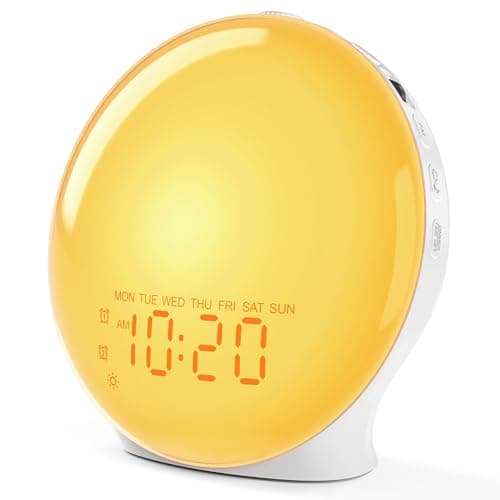 JALL Wake Up LightThe cheap way to test the idea. The light is dimmer than the premium units, but the mechanism is the same. | Finding out whether sunrise waking works for you | Full-screen display with colored sunrise, at entry-level pricing |
Prices come straight from Amazon and are refreshed daily; the date they were checked is stamped under the buy buttons below. If a price has gone stale or a listing has no offer, the button falls back to “Check price on Amazon” rather than showing a number we cannot stand behind. As an Amazon Associate we earn from qualifying purchases.
One app-led device, one deliberately app-free device, and the cheap way to test the idea. Specifications are the manufacturers' own; we have tested none of these.
#ad How we are funded · price as of November 12, 2026
Our top pick · One device for the whole bedtime routine
1. Hatch Restore 3
The most complete bedside device of the group - sunrise, wind-down, sound library and alarms in one - and the only one with a subscription attached.
- Sunrise:
- Gradual ramp beginning around 30 minutes before the alarm
- Color path:
- Deep orange warming to bright white
- Sound:
- Built-in sound library plus alarm tones
- App:
- Required for setup; premium library is subscription-gated
What it gets right
- Sunrise, wind-down and sound machine in a single footprint
- The app makes complex schedules genuinely easy to set
- The display dims properly, unlike most clock radios
Where it falls short
- The best sound content sits behind a subscription
- App dependency: no phone, no changes
- Most expensive way to buy a sunrise
Skip it if: You resent subscriptions. The Philips does the light half with no account at all.
#ad How we are funded · price as of November 12, 2026
Pick 2 · Sunrise quality with no app and no subscription
2. Philips SmartSleep Wake-Up Light HF3520
The reference sunrise. No account, no app, no monthly fee - a dial, twenty brightness steps, and a light that ramps properly.
- Light settings:
- 20 intensity levels
- Sunrise:
- Colored sunrise simulation before the alarm
- Sound:
- Natural wake-up sounds plus FM radio
- Account:
- None required
What it gets right
- Nothing to sign up for and nothing to update - it is an appliance
- Twenty brightness steps means you can actually find a comfortable display level
- Long-standing design with a well-understood service life
Where it falls short
- No app, so scheduling is manual
- The sound library is small and dated
- Larger footprint than the smart units
Skip it if: You want a sound machine and a sunrise in one device. This is a light first and foremost.
#ad How we are funded · price as of November 12, 2026
Pick 3 · Finding out whether sunrise waking works for you
3. JALL Wake Up Light
The cheap way to test the idea. The light is dimmer than the premium units, but the mechanism is the same.
- Sunrise:
- Configurable ramp before the alarm
- Colors:
- Multiple selectable light colors
- Sound:
- Built-in nature sounds plus FM radio
- Extras:
- Dual alarms, snooze, USB charging port
What it gets right
- A fraction of the price of the Philips or the Hatch
- Includes dual alarms and a USB port the premium units often omit
- Low risk if you are not sure the approach suits you
Where it falls short
- Peak brightness is well below the premium units, and that is the spec that matters most
- Build quality is what the price suggests
- Display dimming is coarser than the Philips
Skip it if: You are a genuinely heavy sleeper. Buy brightness - it is the one spec you cannot compromise on.
Questions people actually ask
Is a sunrise alarm clock better than a phone alarm?
For light and for snoozing, yes. A phone screen cannot illuminate a room, so it cannot deliver the stimulus a sunrise alarm relies on, and dismissing a phone alarm is a familiar swipe that takes no decision at all. For cost, travel and complex schedules, the phone wins.
Do sunrise alarm apps on phones work?
They ramp, but they deliver a fraction of the stimulus. The mechanism depends on light reaching your eyes through closed lids, and a small screen viewed from a foot away - usually face-down or in a case - is not a test of whether light wakes you. Dedicated hardware publishes real light-intensity specifications for this reason.
Should I use my phone as a backup alarm?
Yes, and it is the setup we would recommend. Sunrise clock across the room as the primary wake, long ramp with any sound at the end, and the phone - charging out of arm's reach or in another room - set ten minutes later as the backup. You get the light, the friction and the reliability.
Why is it so easy to snooze a phone alarm?
Because dismissing it uses the same gesture on the same device in the same position as every other interaction you have with your phone. There is no friction and no decision - your hand does it before you are awake enough to have an opinion. A clock that needs you to stand up removes that.
Is a sunrise alarm clock worth the money if I already have a phone?
Only if snoozing or a late body clock is your problem. If you get up when the alarm goes, you are solving something you do not have. If you hit snooze for an hour, the thing you are buying is not the light - it is a device that cannot be silenced from your pillow.
Can I keep my phone out of the bedroom and still wake up on time?
That is the main practical argument for buying a clock. A dedicated alarm means the phone can charge somewhere else, which removes both the late-night scrolling and the frictionless snooze in one change. A clock with no notifications and no battery anxiety is also a more reliable alarm.
Sources
- Philips - SmartSleep Wake-up Light HF3520 product page (manufacturer specifications: colored sunrise simulation and 20 light-intensity settings).
- Hatch - Restore 3 product page (manufacturer specifications and current subscription terms).
- Brown TM et al. Recommendations for daytime, evening and nighttime indoor light exposure to best support physiology, sleep and wakefulness in healthy adults. PLOS Biology, 2022.
- Harvard Health Publishing - Blue light has a dark side.
- Sleep Foundation - Best Sunrise Alarm Clocks.
- Tom's Guide - The best sunrise alarm clocks, tested and ranked.
Back to the best sunrise alarm clocks.
Read next
- Best sunrise alarm clocksThe hardware ranking, if you decide to buy.Read it
- How sunrise alarm clocks workThe mechanism a phone screen cannot deliver.Read it
- How to stop hitting snoozeThe behavior this comparison turns on.Read it
- Are sunrise alarms worth it?The skeptical read on the whole category.Read it
- Best sunrise alarm clocks for ADHDWhen the phone is the problem, not the alarm.Read it