
How this page is funded: we earn a commission if you buy through the links below, at no extra cost to you. As an Amazon Associate we earn from qualifying purchases. It does not change which products we pick or the order they appear in. Full disclosure.
How these picks were made: by comparing published specifications and clearly-credited public reporting. We do not run a laboratory, we have not measured these products, and we do not claim to have slept with them. Here is exactly how we choose.
You spent the whole day fighting to stay awake. You could have slept at your desk at four o’clock. You get into bed at eleven and you are suddenly, completely alert - and the unfairness of that is its own kind of infuriating.
Why the two do not cancel out
Sleepiness and your body clock are separate systems. Sleep pressure builds the longer you are awake, which is the part that makes you exhausted at four in the afternoon. Your body clock is a separate timing signal that says when you should be alert - and it does not care how tired you are.
When those two fall out of step, you get this: maximum tiredness at the wrong time of day and maximum alertness at bedtime. The clock has drifted later than your schedule, so at eleven your body thinks it is still early evening.
The main thing that keeps that clock anchored is light, and a modern indoor day gets it almost exactly backwards - not much bright light during the day, plenty in the evening.
The numbers behind it
The 2022 consensus recommendations in PLOS Biology suggest a daytime minimum of 250 melanopic lux at the eye, a maximum of 10 in the three hours before bed, and under 1 during sleep.
A normal lit living room in the evening is well above 10. Harvard Health adds two useful details: blue light suppresses melatonin roughly twice as long as comparable green light, and its alerting effect persists for at least three to four hours after the lights go off. Which is to say: the bright evening you had is still operating at midnight.
Try this for a fortnight, for free
- Get outside in the morning. The single highest-value change, and it is free. Outdoor light even on an overcast day is dramatically brighter than any indoor lighting, and morning light is the strongest anchor your clock has. Ten or fifteen minutes.
- Turn the lights down three hours before bed. Not off - down. Lamps instead of ceiling lights, warmer instead of cooler, dimmer instead of brighter. This is the part that has the most direct effect on the evening alertness.
- Keep the wake time fixed, including weekends. Counter-intuitive and effective: a constant rise time anchors the clock far more reliably than a constant bedtime does, because you control when you get up and you do not control when you fall asleep.
- Stop trying to go to bed earlier. If you are wide awake at eleven, getting into bed at ten adds an hour of lying awake and teaches you to associate the bed with being alert. Go to bed when you are sleepy.
- Do not nap after mid-afternoon. The four o’clock exhaustion is real, and sleeping through it borrows the sleep pressure you needed for the evening.
The gear worth buying
A sunrise alarm, for its sunset
Unexpected, but this is the right purchase for this problem. Everyone buys these for the sunrise; for a drifted clock it is the sunset fade that matters - a light that steps down over half an hour in the evening does the “dim three hours before bed” instruction automatically rather than relying on you remembering.
The sunrise half then anchors the other end by giving you light at a consistent time even in winter. Which sunrise alarms are worth it, and if you already own smart bulbs, they may do the evening half better and for free.
Weight, if you cannot lie still
If the wired feeling is physical - restless, unable to settle - a weighted blanket is the relevant intervention. The picks for a restless mind, and get the weight right first.
A mask, because your evening light is the problem
Cheap and relevant: if you are trying to reduce light exposure in the evening, the bedroom being properly dark once you are in it is part of the same job. The free darkness checklist costs nothing and a mask finishes it.
What does not help
- Going to bed earlier. The instinctive response and the wrong one.
- Lying there trying. Effort is alertness. The racing-mind guide covers this properly.
- Catching up at the weekend. Sleeping until noon on Saturday shifts the clock later again, and you undo the week’s progress in two days.
- Screens in the last hour. Light plus stimulation, at the worst possible time.
The gear that helps a body clock that has drifted
Tap any row to jump to the full write-up. The photographs are licensed stock images chosen to illustrate the category - they are not photographs of these specific products, and each one’s alt text describes what is actually shown.
| # | Product | Best for | The spec that decides it | Price |
|---|---|---|---|---|
| 1 | 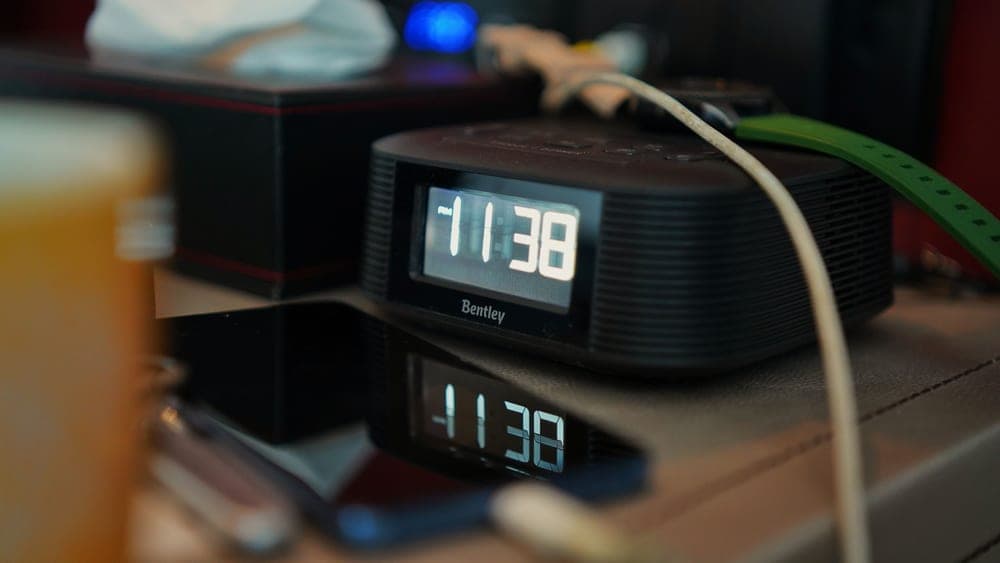 Hatch Restore 3The most complete bedside device of the group - sunrise, wind-down, sound library and alarms in one - and the only one with a subscription attached. | One device for the whole bedtime routine | Roughly 30-minute sunrise, deep orange through to bright white | |
| 2 | 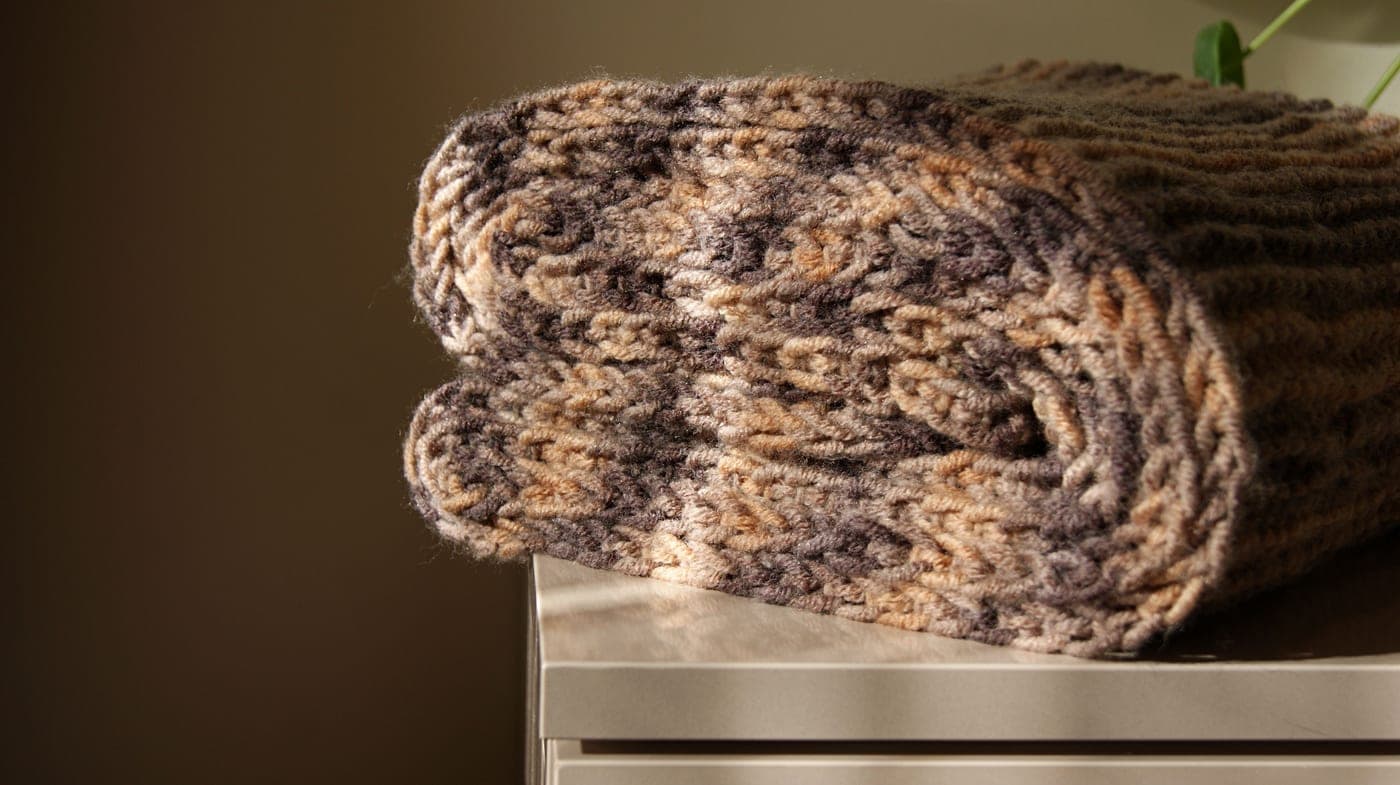 Bearaby Cotton NapperThe only mainstream weighted blanket with no beads at all - the weight is the yarn itself, so air moves straight through the knit. | Anyone who hates the sealed-duvet feeling | Bead-free: weight comes from organic cotton yarn | |
| 3 |  Alaska Bear Natural Silk Sleep MaskA flat silk mask that costs less than lunch and blocks a surprising amount of light - the honest default before you spend more. | The cheapest mask genuinely worth owning | Flat mulberry silk, no cups, no bulk |
We have no live price feed for this site yet, so every button reads “Check price on Amazon” rather than showing a number that could be out of date. As an Amazon Associate we earn from qualifying purchases.
The sunrise alarm is first here for a reason that is not obvious: its sunset fade matters more for this problem than its sunrise does.
Our top pick · One device for the whole bedtime routine
1. Hatch Restore 3
The most complete bedside device of the group - sunrise, wind-down, sound library and alarms in one - and the only one with a subscription attached.
- Sunrise:
- Gradual ramp beginning around 30 minutes before the alarm
- Color path:
- Deep orange warming to bright white
- Sound:
- Built-in sound library plus alarm tones
- App:
- Required for setup; premium library is subscription-gated
What it gets right
- Sunrise, wind-down and sound machine in a single footprint
- The app makes complex schedules genuinely easy to set
- The display dims properly, unlike most clock radios
Where it falls short
- The best sound content sits behind a subscription
- App dependency: no phone, no changes
- Most expensive way to buy a sunrise
Skip it if: You resent subscriptions. The Philips does the light half with no account at all.
Pick 2 · Anyone who hates the sealed-duvet feeling
2. Bearaby Cotton Napper
The only mainstream weighted blanket with no beads at all - the weight is the yarn itself, so air moves straight through the knit.
- Fill:
- None - weight is long-staple organic cotton yarn
- Weights:
- 8 lb (kids and travel), 12, 15, 20, 25 lb
- Construction:
- Open hand-knit weave
- Care:
- Machine washable
What it gets right
- No beads means no shifting, no bunching and no rustling
- The open knit breathes better than any quilted shell in this roundup
- Doubles as a sofa throw without looking like medical equipment
Where it falls short
- Among the most expensive options in the category
- The open weave catches on rings, watches and rough pet claws
- Heavy knit takes a long time to dry
Skip it if: You want the tucked-in, evenly pinned feeling a bead blanket gives. The knit drapes; it does not press.
Pick 3 · The cheapest mask genuinely worth owning
3. Alaska Bear Natural Silk Sleep Mask
A flat silk mask that costs less than lunch and blocks a surprising amount of light - the honest default before you spend more.
- Material:
- Natural mulberry silk shell
- Profile:
- Flat - sits against the face
- Strap:
- Elasticated, adjustable
- Packability:
- Folds to nothing
What it gets right
- Almost nothing to feel against a pillow, so side sleepers get on with it
- Silk is kinder to skin and lashes than a foam contact surface
- Cheap enough to keep a spare in a bag
Where it falls short
- Flat masks touch the eyelid, so you cannot open your eyes underneath
- Light leaks around the nose on most faces
- Silk stains and is easily damaged in a hot wash
Skip it if: You need genuine blackout for daytime sleep. A flat mask will not get you there.
Questions people actually ask
Why am I exhausted all day but can't fall asleep at night?
Sleepiness and your body clock are separate systems. Sleep pressure builds the longer you are awake, which is the afternoon exhaustion. The body clock is a timing signal that says when you should be alert, and it does not care how tired you are. When they fall out of step you get exactly this.
How do I reset my body clock?
Light, at both ends. Get outside in the morning - outdoor light even on an overcast day is dramatically brighter than indoor lighting. Then dim the lights for the three hours before bed. Keeping a fixed wake time, weekends included, anchors it more reliably than a fixed bedtime.
Should I go to bed earlier if I'm exhausted?
No, if you are wide awake at your normal bedtime. Getting in an hour earlier adds an hour of lying awake and teaches you to associate the bed with alertness. Go to bed when you are sleepy, and fix the wake time instead.
Does evening light really keep you awake?
The 2022 PLOS Biology recommendations suggest keeping light under about 10 melanopic lux in the three hours before bed, and a normal lit living room is well above that. Harvard Health notes the alerting effect of blue light persists for at least three to four hours after the lights go off.
Can a sunrise alarm clock help if I can't fall asleep?
Through its sunset fade, yes - a light that steps down over half an hour in the evening does the dim-before-bed instruction automatically. The sunrise half then anchors the other end by giving you light at a consistent time even in winter.
Sources
Back to what to do when you can't sleep.
Read next
- Best sunrise alarm clocksBought for the sunrise, useful here for the sunset.Read it
- Can't fall asleep, brain won't shut offIf the wired part is mental rather than physical.Read it
- How to stop hitting snoozeThe morning end of the same drifted clock.Read it
- How to make a bedroom dark for sleepingThe evening light checklist, free.Read it