
How this page is funded: we earn a commission if you buy through the links below, at no extra cost to you. As an Amazon Associate we earn from qualifying purchases. It does not change which products we pick or the order they appear in. Full disclosure.
How these picks were made: by comparing published specifications and clearly-credited public reporting. We do not run a laboratory, we have not measured these products, and we do not claim to have slept with them. Here is exactly how we choose.
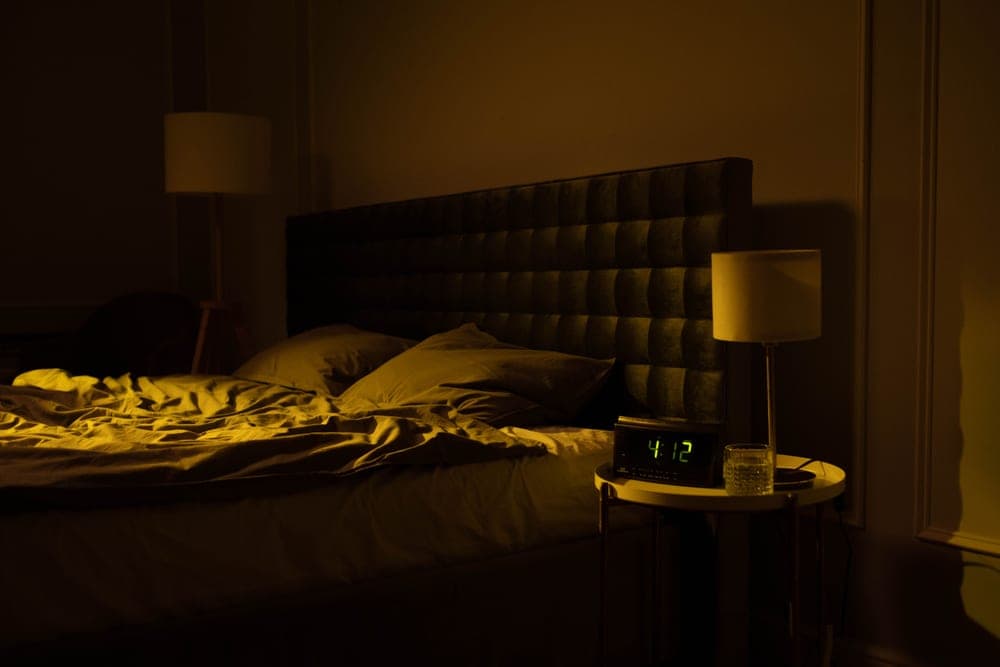
You go out like a light. Four or five hours later you are completely awake, for no reason you can name, and it happens at roughly the same time every night. This is a genuinely different problem from being unable to fall asleep, and it usually has a more findable cause.
Why it tends to be the early hours
Sleep is not uniform. You cycle through lighter and deeper stages all night, and as the night goes on the proportion of lighter sleep increases. Brief surfacings between cycles are normal and most people never notice them - you turn over and go back under.
What turns a normal surfacing into being awake for an hour is a trigger that catches you at exactly that moment. In the second half of the night you are in lighter sleep more of the time, so there are more opportunities for something to catch you, and your body temperature has bottomed out and begun climbing again.
That is a plain description of a normal pattern, not a diagnosis of yours.
Finding your trigger
There are four common environmental ones, and they are distinguishable if you pay attention for a few nights.
| What you notice on waking | Likely trigger | Where to go |
|---|---|---|
| Damp, too warm, throwing bedding off | Heat | Too hot |
| A specific sound, or your partner snoring | Noise | Snoring / Neighbors |
| The room is lighter than when you went to bed | Light | Too bright |
| Nothing obvious, and your mind starts immediately | Arousal | Racing mind |
The diagnostic question is what you notice in the first ten seconds. If you wake hot, it is heat. If a sound is still happening, it is noise. If your mind is already going and nothing else is wrong, it is the fourth category - and that is the one where the free changes matter most.
Try this tonight, for free
- Do not look at the clock. The single most useful habit change here. Knowing it is 3:14 turns a surfacing into arithmetic about how little sleep is left, and the arithmetic wakes you up properly.
- Do not pick up your phone. The brightest thing that will happen to your eyes all night, at the exact moment you want to go back under.
- Give it twenty minutes, then get up. If you are still awake and starting to get frustrated, leave the room and do something dull in low light. Frustration in bed is a habit you can learn.
- Sort the room before the bed. Cooler room, curtains that do not leak, no standby lights. Removing triggers beats reacting to them.
- Look at the alcohol. A drink in the evening makes falling asleep easier and staying asleep harder, and 3am wake-ups are its most recognizable signature. Worth two weeks of testing before you buy anything.
The gear, once you know the trigger
This is the whole argument for identifying the trigger first: each one has a different answer, and buying the wrong one changes nothing.
- Noise - blocking beats masking for anything loud enough to wake you from sleep. Earplugs first; a machine only helps with quiet, constant noise.
- Heat - fiber and layers before anything else, and if you want weight, a bead-free knit rather than a quilted bead blanket.
- Light - a mask handles light from inside the room that curtains cannot. The blackout roundup.
- Restlessness - pressure, if you cannot lie still. Weighted blankets, at the right weight.
What does not help
- Going to bed earlier to make up for it. More time in bed awake, not more sleep.
- Checking how long you have left. See above.
- Buying all four categories at once. You will not know what worked, and three of them will be wasted.
One piece of gear per trigger
Tap any row to jump to the full write-up. The photographs are licensed stock images chosen to illustrate the category - they are not photographs of these specific products, and each one’s alt text describes what is actually shown.
| # | Product | Best for | The spec that decides it | Price |
|---|---|---|---|---|
| 1 | 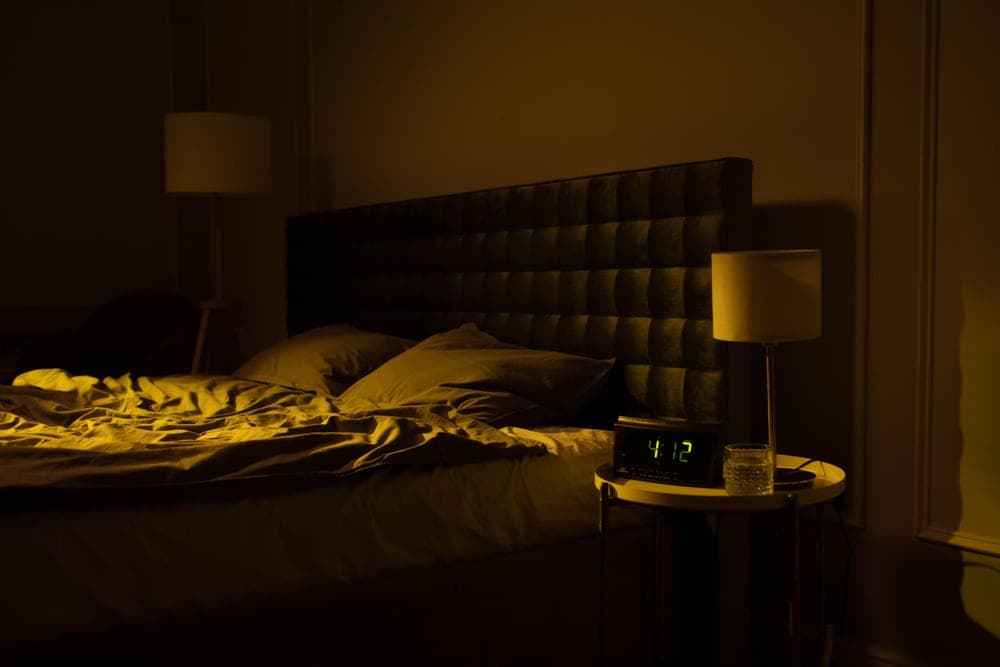 Mack's Ultra Soft Foam EarplugsThe highest-rated foam plug in common retail, at a price where losing one in the sheets does not matter. | Maximum blocking for the least money | NRR 33 dB - the highest rating in this roundup | |
| 2 | 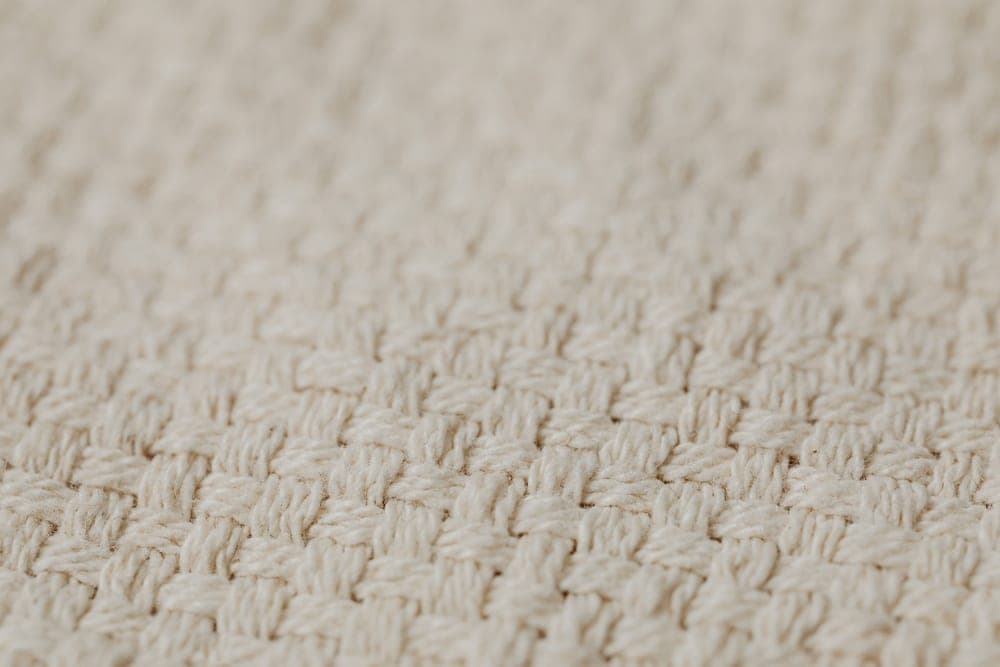 Bearaby Tree NapperThe cooling version of the Napper: same bead-free knit, but half the fiber is Tencel lyocell, which moves moisture instead of holding it. | Hot sleepers who still want real weight | 50% Tencel lyocell / 45% organic cotton / 5% spandex | |
| 3 | 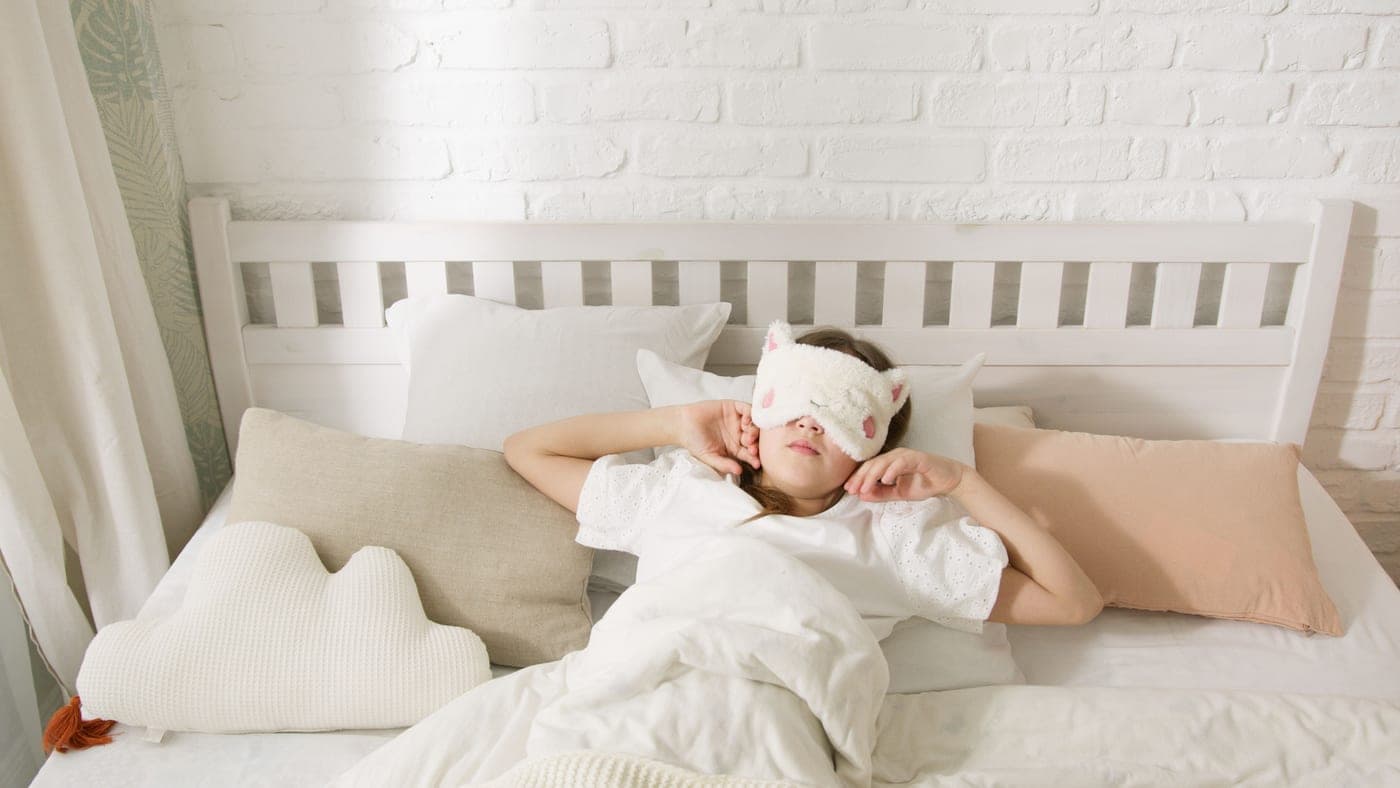 Manta Sleep Mask ProThe most adjustable mask in the category: the eye cups move independently, so you can seal a nose bridge that defeats every one-piece mask. | Total blackout on a back sleeper | Independently repositionable eye cups, zero eye pressure |
We have no live price feed for this site yet, so every button reads “Check price on Amazon” rather than showing a number that could be out of date. As an Amazon Associate we earn from qualifying purchases.
Deliberately one each for noise, heat and light - because the useful thing here is identifying which trigger is yours, not buying all three.
Our top pick · Maximum blocking for the least money
1. Mack's Ultra Soft Foam Earplugs
The highest-rated foam plug in common retail, at a price where losing one in the sheets does not matter.
- Rating:
- NRR 33 dB (manufacturer figure)
- Material:
- Slow-recovery polyurethane foam
- Reuse:
- A few nights each, then discard
- Sold as:
- Bulk packs
What it gets right
- Nothing in common retail blocks more
- Cheap enough to replace constantly, which is also more hygienic
- The soft compound is tolerable for side sleepers once compressed correctly
Where it falls short
- Only works if you roll and insert them properly - most complaints are fit, not product
- Disposable, so there is an ongoing cost and ongoing waste
- At 33 dB you will very likely sleep through a standard alarm
Skip it if: You have to hear an alarm, a child, or a smoke detector. This is the wrong tool for that night.
Pick 2 · Hot sleepers who still want real weight
2. Bearaby Tree Napper
The cooling version of the Napper: same bead-free knit, but half the fiber is Tencel lyocell, which moves moisture instead of holding it.
- Fill:
- None - weight from dense Tencel and cotton fiber
- Weights:
- 15, 20, 25 lb (single-sleeper sizing)
- Fabric:
- Tencel lyocell blend, cool to the touch
- Care:
- Machine wash and tumble dry cold, gentle cycle
What it gets right
- Two cooling mechanisms at once: a moisture-wicking fiber and an open weave
- No synthetic fill, so nothing traps a pocket of warm air against you
- Same weight options as the cotton version, so you are not trading weight for temperature
Where it falls short
- Premium price, and the cooling blend costs more than the cotton one
- No sizes below 15 lb, which rules it out for smaller adults
- Open knit is snag-prone
Skip it if: You need a blanket under 15 lb, or you share it with a partner - these are sized for one person.
Pick 3 · Total blackout on a back sleeper
3. Manta Sleep Mask Pro
The most adjustable mask in the category: the eye cups move independently, so you can seal a nose bridge that defeats every one-piece mask.
- Construction:
- Modular cups on a hook-and-loop band
- Eye pressure:
- None - the cups arch over the eye socket
- Adjustment:
- Cups reposition horizontally to match your face
- Strap:
- Wide adjustable band
What it gets right
- Seals light at the nose bridge better than any fixed-shape mask once fitted
- No contact with the eyelid, so you can blink freely and sleep in contacts
- Cups and band are replaceable, so the mask outlives its fabric
Where it falls short
- The deepest profile here - the cups stand well off the face
- Fitting it correctly takes a few nights of adjustment
- Premium price
Skip it if: You sleep strictly on your side. The cups press into the pillow and then into your face.
Questions people actually ask
Why do I wake up at 3am every night?
Brief surfacings between sleep cycles are normal and mostly unnoticed. What turns one into an hour awake is a trigger catching you at that moment - heat, noise, light or mental arousal. The second half of the night has more light sleep, so there are more opportunities for something to catch you.
What is the difference between trouble falling asleep and trouble staying asleep?
They usually have different causes. Trouble falling asleep is more often about mental arousal at the start of the night. Trouble staying asleep more often has a findable environmental trigger, which is good news - triggers can be removed.
Should I get up if I wake in the night?
If you are still awake after twenty-odd minutes and getting frustrated, yes. Leave the room, do something dull in low light, and go back when you feel sleepy. Do not check the clock and do not pick up your phone.
Does alcohol cause you to wake up at 3am?
A drink in the evening makes falling asleep easier and staying asleep harder, and an early-hours wake-up is its most recognizable signature. It is worth two weeks of testing before you buy any gear at all.
Why shouldn't I look at the clock when I wake up?
Because knowing the time turns a brief surfacing into arithmetic about how little sleep is left, and the arithmetic wakes you up properly. Turning the clock to face the wall is free and one of the more effective changes here.
Sources
Back to what to do when you can't sleep.
Read next
- Too hot to sleepIf you wake damp and throw the bedding off.Read it
- How to make a bedroom dark for sleepingIf the room is lighter than when you went to bed.Read it
- Can't fall asleep, brain won't shut offIf nothing woke you and your mind started immediately.Read it
- Best earplugs for sleepingIf a sound is still happening when you surface.Read it