
How this page is funded: we earn a commission if you buy through the links below, at no extra cost to you. As an Amazon Associate we earn from qualifying purchases. It does not change which products we pick or the order they appear in. Full disclosure.
How these picks were made: by comparing published specifications and clearly-credited public reporting. We do not run a laboratory, we have not measured these products, and we do not claim to have slept with them. Here is exactly how we choose.
Buy a sleep mask and a pack of foam earplugs. Together they cost under thirty dollars, they arrive tomorrow, and between them they handle the two variables - light and noise - that account for most environmentally-caused bad nights. Everything else on this site is a refinement of that.
That is the whole answer for a lot of people. The rest of this page is for when it is not.
The four levers, and what each is for
Every product we cover pulls one of four levers. Matching the lever to the problem matters far more than which brand you buy within it.
| Lever | Fixes | Does nothing for | Entry cost |
|---|---|---|---|
| Darkness | Light from any direction, including inside the room | Noise, heat, a racing mind | Around $10 |
| Blocking | Loud noise - snoring, traffic, neighbors | Light, heat, bass through a floor | Around $10 |
| Masking | Quiet, intermittent noise; silence that feels loud | Anything loud | $40 and up |
| Pressure | Restlessness, being unable to lie still | Noise, light, heat | $60 and up |
| Timed light | Waking badly; a body clock that has drifted | Anything after you are asleep | $30 and up |
If you do not know which lever you need, start from the problem instead - that section is organized by what is keeping you awake rather than by what we sell.
Three budget tiers
Under $30 - the tier most people should stop at
A flat silk sleep mask and a bulk pack of foam earplugs. This is not a compromise version of the answer; for light and noise it is close to the best available answer at any price. Foam plugs rated NRR 33 block more than earbuds costing fifteen times as much, and a mask blocks light from directions a curtain cannot.
Spend this first, always. It also tells you which of the two was your problem, which makes every later purchase better-informed.
Under $150 - adding masking and timed light
A non-looping digital sound machine for constant background noise, or a sunrise alarm if your problem is the morning rather than the night. Both are genuine upgrades over the free alternatives (a fan, a phone app, a plug-in timer) for specific reasons covered on the fan comparison and the sunrise alarm verdict.
Over $150 - pressure, and combined devices
A good weighted blanket, or a combined bedside device doing sunrise, sunset and sound. Both are worth the money for the right person and neither is a first purchase. Get the blanket weight right before you spend here - a wrongly-sized blanket tells you nothing about whether you like the category.
What we would talk you out of
- A sound machine for a snoring partner. The most common mismatched purchase in this whole category. Snoring is loud, low-frequency and irregular - the worst possible case for masking. Earplugs or ANC earbuds instead.
- A quilted weighted blanket if you sleep hot. Three layers of fabric with a sealed pocket of air. If you want the weight, buy a bead-free knit.
- A cheap sunrise alarm if you are a heavy sleeper. Brightness is the only spec that decides whether one works, and it is the spec budget units economize on. The reasoning.
- The deepest blackout mask if you sleep on your side. The depth that produces the blackout is what a pillow presses into your face. Slim contoured masks instead.
- Acoustic foam panels for a noisy neighbor. Foam treats reflections within a room; it does not stop sound passing through a wall. Mass does. What actually works.
- Anything at all, before you have tried the free fix. Moving a bed off a shared wall, pointing a fan at a wall instead of your face, and blocking the gap above a curtain rail are all free and all routinely outperform a purchase.
The free changes worth more than most purchases
- Find and cover every standby LED in the bedroom. The 2022 PLOS Biology consensus recommendations suggest under about 1 melanopic lux at the eye during sleep, and Harvard Health notes circadian effects at around 8 lux - dimmer than most table lamps.
- Block the gap above the curtain rail. The brightest leak in most bedrooms and almost nobody addresses it.
- Move the bed away from the shared wall, and put a loaded bookcase against it.
- Get outside in the morning. Outdoor light even on an overcast day is dramatically brighter than any indoor lighting.
- Point the fan at a wall. Keeps the sound, loses the draft.
The problem-first section leads with the free fix on every page for exactly this reason.
How we decide what goes on this list
We compare published specifications and clearly-credited public reporting. We do not run a laboratory, we have not measured any of these products, and we do not claim to have slept with them - which is why you will find no star scores anywhere on this site. The full methodology, including what disqualifies a product.
We earn a commission when you buy through our links, and it does not change the order of this page. The evidence for that is the page itself: the two cheapest items are at the top, and there is a section above dedicated to talking you out of purchases. How we are funded.
The five purchases, in order of value per dollar
Tap any row to jump to the full write-up. The photographs are licensed stock images chosen to illustrate the category - they are not photographs of these specific products, and each one’s alt text describes what is actually shown.
| # | Product | Best for | The spec that decides it | Price |
|---|---|---|---|---|
| 1 |  Alaska Bear Natural Silk Sleep MaskA flat silk mask that costs less than lunch and blocks a surprising amount of light - the honest default before you spend more. | The cheapest mask genuinely worth owning | Flat mulberry silk, no cups, no bulk | |
| 2 |  Mack's Ultra Soft Foam EarplugsThe highest-rated foam plug in common retail, at a price where losing one in the sheets does not matter. | Maximum blocking for the least money | NRR 33 dB - the highest rating in this roundup | |
| 3 |  LectroFan EVOThe digital machine that solved the loop problem: 22 sounds generated rather than played back, so there is no seam to notice. | Digital variety without the loop artifact | 22 non-looping generated sounds | |
| 4 | 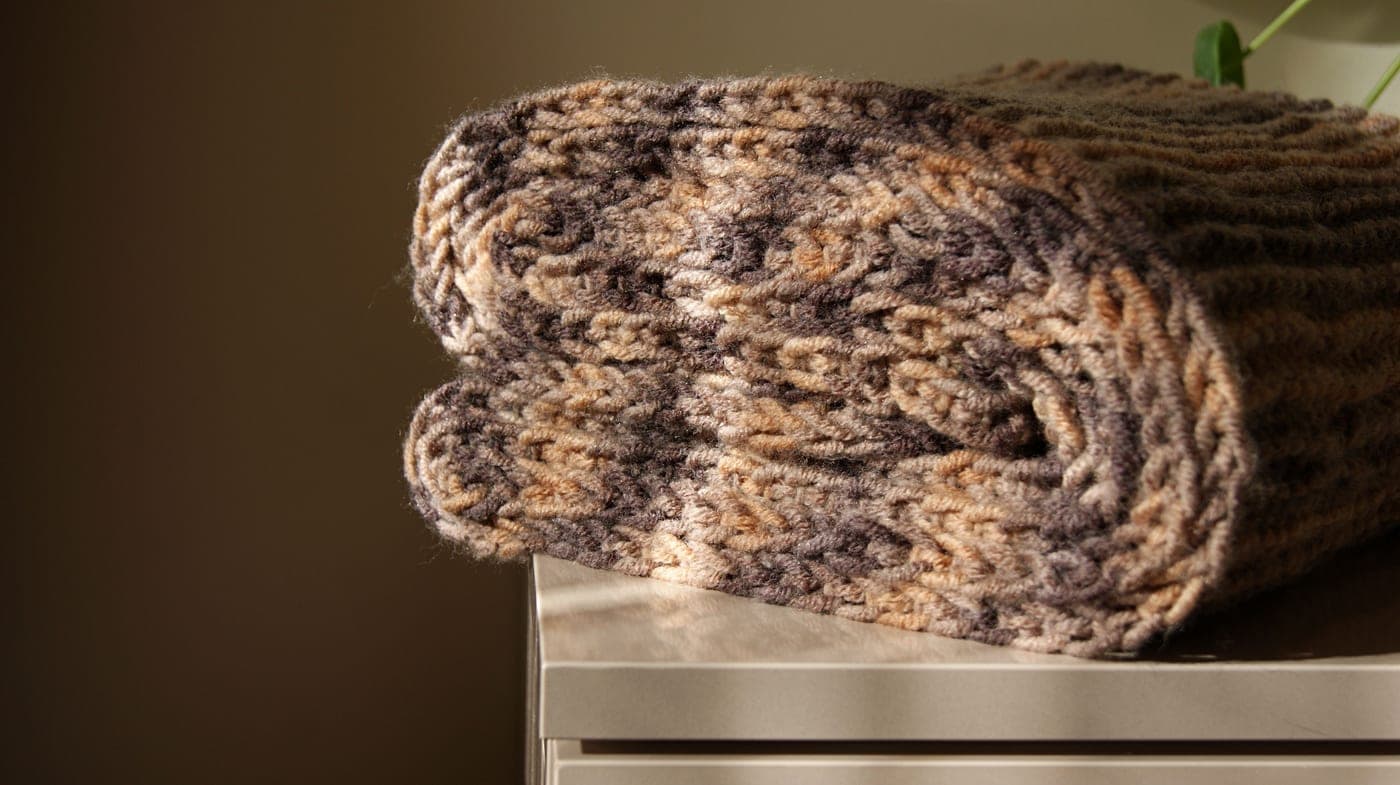 Bearaby Cotton NapperThe only mainstream weighted blanket with no beads at all - the weight is the yarn itself, so air moves straight through the knit. | Anyone who hates the sealed-duvet feeling | Bead-free: weight comes from organic cotton yarn | |
| 5 |  Philips SmartSleep Wake-Up Light HF3520The reference sunrise. No account, no app, no monthly fee - a dial, twenty brightness steps, and a light that ramps properly. | Sunrise quality with no app and no subscription | 20 light-intensity settings, no app or subscription |
We have no live price feed for this site yet, so every button reads “Check price on Amazon” rather than showing a number that could be out of date. As an Amazon Associate we earn from qualifying purchases.
Not in order of price or of how much we earn - in order of how reliably each one solves a real problem for the money. The first two together cost less than thirty dollars.
Our top pick · The cheapest mask genuinely worth owning
1. Alaska Bear Natural Silk Sleep Mask
A flat silk mask that costs less than lunch and blocks a surprising amount of light - the honest default before you spend more.
- Material:
- Natural mulberry silk shell
- Profile:
- Flat - sits against the face
- Strap:
- Elasticated, adjustable
- Packability:
- Folds to nothing
What it gets right
- Almost nothing to feel against a pillow, so side sleepers get on with it
- Silk is kinder to skin and lashes than a foam contact surface
- Cheap enough to keep a spare in a bag
Where it falls short
- Flat masks touch the eyelid, so you cannot open your eyes underneath
- Light leaks around the nose on most faces
- Silk stains and is easily damaged in a hot wash
Skip it if: You need genuine blackout for daytime sleep. A flat mask will not get you there.
Pick 2 · Maximum blocking for the least money
2. Mack's Ultra Soft Foam Earplugs
The highest-rated foam plug in common retail, at a price where losing one in the sheets does not matter.
- Rating:
- NRR 33 dB (manufacturer figure)
- Material:
- Slow-recovery polyurethane foam
- Reuse:
- A few nights each, then discard
- Sold as:
- Bulk packs
What it gets right
- Nothing in common retail blocks more
- Cheap enough to replace constantly, which is also more hygienic
- The soft compound is tolerable for side sleepers once compressed correctly
Where it falls short
- Only works if you roll and insert them properly - most complaints are fit, not product
- Disposable, so there is an ongoing cost and ongoing waste
- At 33 dB you will very likely sleep through a standard alarm
Skip it if: You have to hear an alarm, a child, or a smoke detector. This is the wrong tool for that night.
Pick 3 · Digital variety without the loop artifact
3. LectroFan EVO
The digital machine that solved the loop problem: 22 sounds generated rather than played back, so there is no seam to notice.
- Type:
- Digital, non-looping synthesis
- Sounds:
- 22, including white, pink and brown noise plus fan sounds
- Volume:
- Precise stepped control across a wide range
- Moving parts:
- None
What it gets right
- Gives you brown and pink noise, which a mechanical fan cannot
- No motor means no mechanical hum and nothing to wear out
- Compact enough to pack
Where it falls short
- Digital sound is still digital - some people hear it as flatter than moving air
- No app or alarm features
- More expensive than budget machines with far longer preset lists
Skip it if: You specifically want the texture of real moving air. Get the Dohm instead.
Pick 4 · Anyone who hates the sealed-duvet feeling
4. Bearaby Cotton Napper
The only mainstream weighted blanket with no beads at all - the weight is the yarn itself, so air moves straight through the knit.
- Fill:
- None - weight is long-staple organic cotton yarn
- Weights:
- 8 lb (kids and travel), 12, 15, 20, 25 lb
- Construction:
- Open hand-knit weave
- Care:
- Machine washable
What it gets right
- No beads means no shifting, no bunching and no rustling
- The open knit breathes better than any quilted shell in this roundup
- Doubles as a sofa throw without looking like medical equipment
Where it falls short
- Among the most expensive options in the category
- The open weave catches on rings, watches and rough pet claws
- Heavy knit takes a long time to dry
Skip it if: You want the tucked-in, evenly pinned feeling a bead blanket gives. The knit drapes; it does not press.
Pick 5 · Sunrise quality with no app and no subscription
5. Philips SmartSleep Wake-Up Light HF3520
The reference sunrise. No account, no app, no monthly fee - a dial, twenty brightness steps, and a light that ramps properly.
- Light settings:
- 20 intensity levels
- Sunrise:
- Colored sunrise simulation before the alarm
- Sound:
- Natural wake-up sounds plus FM radio
- Account:
- None required
What it gets right
- Nothing to sign up for and nothing to update - it is an appliance
- Twenty brightness steps means you can actually find a comfortable display level
- Long-standing design with a well-understood service life
Where it falls short
- No app, so scheduling is manual
- The sound library is small and dated
- Larger footprint than the smart units
Skip it if: You want a sound machine and a sunrise in one device. This is a light first and foremost.
Questions people actually ask
What should I buy first for better sleep?
A flat sleep mask and a pack of foam earplugs - together under thirty dollars. Between them they handle light and noise, which account for most environmentally-caused bad nights, and they also tell you which of the two was your problem.
What are the best sleep gadgets for insomnia?
Gadgets do not address insomnia as a clinical condition, and we would not present them as if they did. What sleep gear addresses is environment - light, noise, temperature and restlessness. If sleep trouble has run for weeks, that is a conversation for a doctor rather than a shopping list.
Is expensive sleep gear worth it?
Sometimes, and rarely as a first purchase. The two cheapest items in the category - a mask and foam earplugs - are also two of the most effective. Premium money buys refinements: a blanket that does not overheat, a sunrise alarm bright enough for a heavy sleeper, earbuds that cancel low-frequency snoring.
What sleep gear is a waste of money?
Anything mismatched to your problem. A sound machine against loud snoring, a quilted weighted blanket if you sleep hot, a cheap sunrise alarm if you are a heavy sleeper, the deepest blackout mask if you sleep on your side, and acoustic foam against a noisy neighbor are the five most common mismatches.
Do I need a weighted blanket, a sound machine and a sleep mask?
Almost certainly not all three. Each pulls a different lever - pressure, masking, darkness - and buying all of them at once means you will not know which one worked. Identify the problem first, buy the one thing that addresses it.
Sources
- Brown TM et al. Recommendations for daytime, evening and nighttime indoor light exposure to best support physiology, sleep and wakefulness in healthy adults. PLOS Biology, 2022.
- Harvard Health Publishing - Blue light has a dark side.
- World Health Organization - Night Noise Guidelines for Europe.
- Ekholm B, Spulber S, Adler M. A randomized controlled study of weighted chain blankets for insomnia in psychiatric disorders. Journal of Clinical Sleep Medicine, 2020.
- Mack's - Ear Plugs for Sleeping (manufacturer specifications).
Read next
- Can't sleep? Start with the problemNine specific problems and the fix for each.Read it
- Gifts for someone who can't sleepFor when you are buying for somebody else.Read it
- Best sleep masksThe cheapest thing on this list, and the first one.Read it
- Best white noise machinesMasking, blocking, and when each one wins.Read it