
How this page is funded: we earn a commission if you buy through the links below, at no extra cost to you. As an Amazon Associate we earn from qualifying purchases. It does not change which products we pick or the order they appear in. Full disclosure.
How these picks were made: by comparing published specifications and clearly-credited public reporting. We do not run a laboratory, we have not measured these products, and we do not claim to have slept with them. Here is exactly how we choose.
You have slept through a phone alarm on full volume. You have slept through two. You have woken up having apparently dismissed one with no memory of doing it. Being told that a gentle brightening light will wake you sounds, reasonably, like nonsense.
Why the popular pick fails you
Most sunrise alarm roundups are written for people who wake easily and want to wake more pleasantly. Those roundups rank on app quality, sound libraries and design. For a heavy sleeper, all three are irrelevant.
The budget units are the specific trap. They advertise the same feature - a colored sunrise ramp - and deliver materially less light. On someone who wakes easily that is fine. On you it means the light phase does nothing at all, the backup sound fires at full alarm time, and you have paid for a lamp to be woken by a beep.
Buy brightness, then stop caring about the spec sheet
Optimize Your Biology measured sunrise alarms with a light meter and reports that the quality units put roughly 275 to 395 lux at 18 inches, from a panel of LEDs aimed at the pillow. Two things in that sentence matter for you: the number, and the phrase “aimed at the pillow”.
A bright lamp pointed at the ceiling is a dim lamp by the time it reaches your face. Position matters as much as the rating: put the unit at roughly pillow height, on the side you actually face when you sleep, and as close as you can stand to have it.
Those are their measurements, not ours - we do not own a light meter and do not claim to have run this test.
Setting it up so it actually works
- Position it at pillow height on your facing side. The most effective free change you can make, and the one most people get wrong by putting the unit on a low nightstand behind their head.
- Use the longest ramp available. A heavy sleeper benefits from more time under rising light, not less. Thirty minutes minimum; longer if the unit allows.
- Keep the backup sound on, at least at first. Do not gamble a job on an untested lamp. Once you have woken to the light before the sound fires for two weeks straight, consider turning it off.
- Set the backup sound to rise, not blare. Most units ramp their volume. A sound that starts quiet and grows still wakes you and does it far less unpleasantly than an instant klaxon.
- Do not put it within arm’s reach if you dismiss alarms in your sleep. The lamp can be close; if you are a habitual sleep-dismisser, the phone goes across the room.
The pairing nobody writes about
If you sleep through alarms and you use earplugs to block noise, you have a conflict that this category solves perfectly. A light alarm does not need to be heard, so it works identically at NRR 33 and NRR 0. You keep maximum blocking and you still wake up.
That combination - high-rated foam earplugs plus a bright sunrise alarm - is the single best cross-category setup on this site, and we have written it up from the other direction at earplugs that still let you hear your alarm.
Be honest about the cause
A lot of heavy sleeping is not a trait, it is insufficient sleep. If you are getting six hours and sleeping through three alarms, the alarm is not the problem and no lamp is going to fix it. The same applies if you are waking repeatedly in the night without knowing it, or if you feel unrefreshed no matter how long you sleep - persistent daytime sleepiness is worth raising with a doctor rather than solving with brighter hardware.
If you know you are going to bed too late and cannot seem to stop, the tired-but-wired guide is the more useful page, and the first half of it is free.
Three bright enough to actually wake you
Tap any row to jump to the full write-up. The photographs are licensed stock images chosen to illustrate the category - they are not photographs of these specific products, and each one’s alt text describes what is actually shown.
| # | Product | Best for | The spec that decides it | Price |
|---|---|---|---|---|
| 1 | 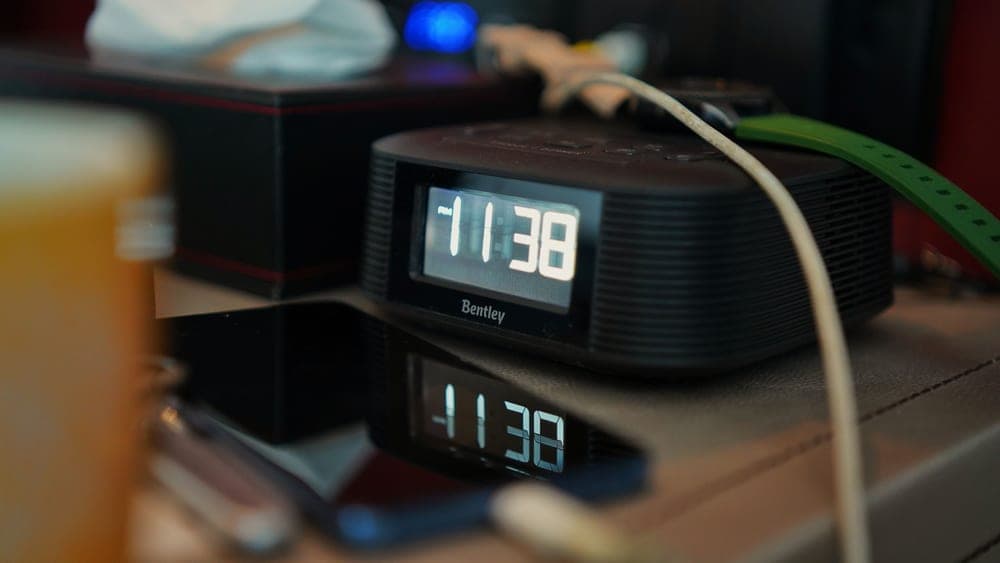 Hatch Restore 3The most complete bedside device of the group - sunrise, wind-down, sound library and alarms in one - and the only one with a subscription attached. | One device for the whole bedtime routine | Roughly 30-minute sunrise, deep orange through to bright white | |
| 2 | 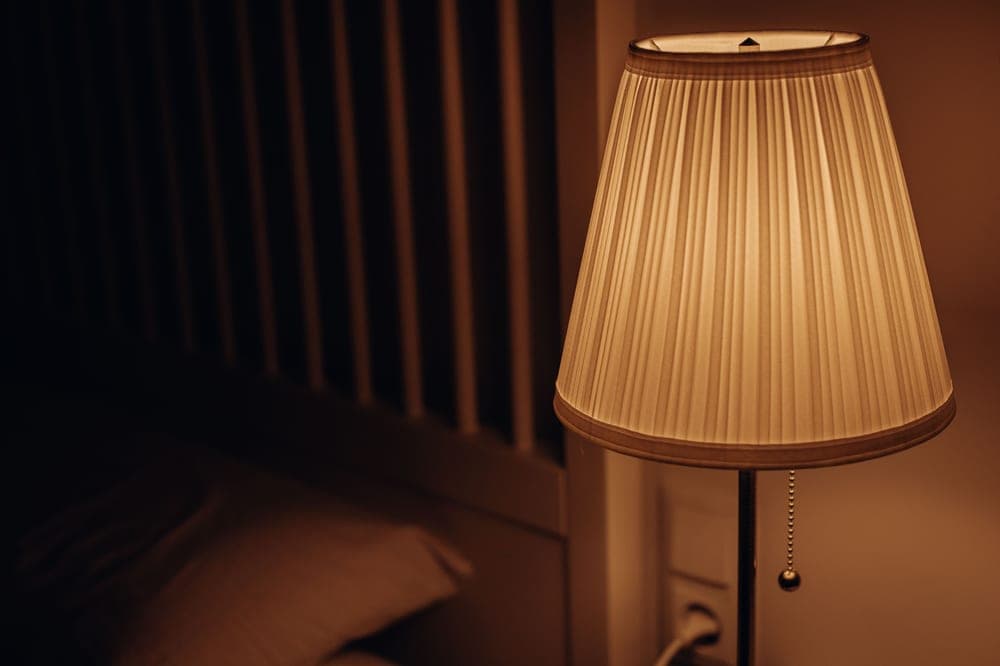 Philips SmartSleep Wake-Up Light HF3520The reference sunrise. No account, no app, no monthly fee - a dial, twenty brightness steps, and a light that ramps properly. | Sunrise quality with no app and no subscription | 20 light-intensity settings, no app or subscription | |
| 3 | 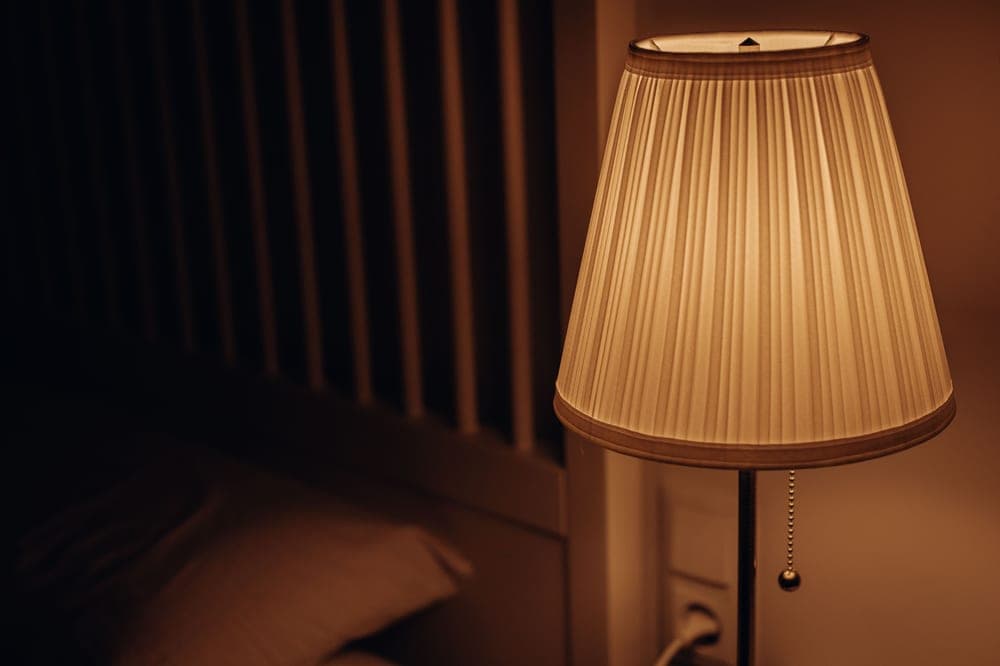 Lumie Bodyclock Shine 300The specialist's pick: adjustable ramp duration in both directions, from a manufacturer that only makes light-therapy devices. | Long, slow sunrises and a proper sunset | Adjustable sunrise and sunset durations |
We have no live price feed for this site yet, so every button reads “Check price on Amazon” rather than showing a number that could be out of date. As an Amazon Associate we earn from qualifying purchases.
Our top pick · One device for the whole bedtime routine
1. Hatch Restore 3
The most complete bedside device of the group - sunrise, wind-down, sound library and alarms in one - and the only one with a subscription attached.
- Sunrise:
- Gradual ramp beginning around 30 minutes before the alarm
- Color path:
- Deep orange warming to bright white
- Sound:
- Built-in sound library plus alarm tones
- App:
- Required for setup; premium library is subscription-gated
What it gets right
- Sunrise, wind-down and sound machine in a single footprint
- The app makes complex schedules genuinely easy to set
- The display dims properly, unlike most clock radios
Where it falls short
- The best sound content sits behind a subscription
- App dependency: no phone, no changes
- Most expensive way to buy a sunrise
Skip it if: You resent subscriptions. The Philips does the light half with no account at all.
Pick 2 · Sunrise quality with no app and no subscription
2. Philips SmartSleep Wake-Up Light HF3520
The reference sunrise. No account, no app, no monthly fee - a dial, twenty brightness steps, and a light that ramps properly.
- Light settings:
- 20 intensity levels
- Sunrise:
- Colored sunrise simulation before the alarm
- Sound:
- Natural wake-up sounds plus FM radio
- Account:
- None required
What it gets right
- Nothing to sign up for and nothing to update - it is an appliance
- Twenty brightness steps means you can actually find a comfortable display level
- Long-standing design with a well-understood service life
Where it falls short
- No app, so scheduling is manual
- The sound library is small and dated
- Larger footprint than the smart units
Skip it if: You want a sound machine and a sunrise in one device. This is a light first and foremost.
Pick 3 · Long, slow sunrises and a proper sunset
3. Lumie Bodyclock Shine 300
The specialist's pick: adjustable ramp duration in both directions, from a manufacturer that only makes light-therapy devices.
- Sunrise:
- Adjustable duration, short through extended
- Sunset:
- Matching fade-to-dark on the same schedule
- Sound:
- Wake and sleep sounds plus radio
- Specialism:
- Light-therapy manufacturer
What it gets right
- The sunset fade is as well implemented as the sunrise, which is rare
- Duration control matters more than peak brightness for light sleepers
- No subscription
Where it falls short
- Priced with the premium units without the smart features
- US availability is patchier than Philips or Hatch
- Dated interface
Skip it if: You want app scheduling. This is a well-made physical device with physical controls.
Questions people actually ask
What is the best alarm clock for heavy sleepers?
A bright sunrise alarm with its backup sound enabled, positioned at pillow height on the side you face. Brightness is the only spec that matters - independent light-meter testing by Optimize Your Biology reports quality units putting roughly 275 to 395 lux at 18 inches, and budget units fall well short of that.
Do sunrise alarm clocks work on heavy sleepers?
The bright ones do. The dim ones do not, and that is where most disappointment in this category comes from - budget units advertise the same colored-ramp feature and deliver far less light, so the light phase does nothing and you get woken by the backup beep anyway.
Where should I put a sunrise alarm clock?
At roughly pillow height, on the side you actually face when you sleep, and as close as you can tolerate. A bright lamp pointed at the ceiling from a low nightstand behind your head is a dim lamp by the time the light reaches your eyes.
Should I keep a backup alarm with a sunrise clock?
Yes, at least for the first few weeks. Do not gamble on an untested lamp. Once you have woken to the light before the sound fires for a fortnight straight, you can consider turning the backup off.
Will a sunrise alarm wake me up if I wear earplugs?
Yes, and that is one of its best uses. A light alarm does not need to be heard, so it works identically whatever your earplugs are rated at. High-blocking foam plugs plus a bright sunrise alarm is the strongest combination we recommend on this site.
Sources
- Optimize Your Biology - Best Sunrise Alarm Clocks 2026 (independent light-meter measurements, theirs not ours).
- Sleep Foundation - Best Sunrise Alarm Clocks.
- Brown TM et al. Recommendations for daytime, evening and nighttime indoor light exposure to best support physiology, sleep and wakefulness in healthy adults. PLOS Biology, 2022.
- Mack's - Ear Plugs for Sleeping (manufacturer specifications).
Back to the best sunrise alarm clocks.
Read next
- Earplugs that still let you hear your alarmThe same pairing, from the noise side.Read it
- How to stop hitting snoozeFor when you do wake and turn it off anyway.Read it
- Best sunrise alarm clocksThe full shortlist and the brightness argument.Read it
- Can't fall asleep but exhaustedIf the real problem is what time you got into bed.Read it