

How this page is funded: we earn a commission if you buy through the links below, at no extra cost to you. As an Amazon Associate we earn from qualifying purchases. It does not change which products we pick or the order they appear in. Full disclosure.
How these picks were made: by comparing published specifications and clearly-credited public reporting. We do not run a laboratory, we have not measured these products, and we do not claim to have slept with them. Here is exactly how we choose.
Short version: the YnM Weighted Blanket is the pick for most families, because it is the only blanket here with a published ladder that starts at 5 lb and runs in small steps through 30 lb, so you can match a child’s actual body weight instead of rounding up to an adult size. Before you buy: the one randomized controlled trial of weighted blankets in autistic children found no objective improvement in sleep - and found that the children and parents strongly preferred the weighted blanket anyway. Both of those results are real, and you should decide with both of them in front of you.
This is the page where most sites stop being useful, because the honest answer is more complicated than the product pitch. Weighted blankets are deeply embedded in sensory-support practice, families report that they help, and the evidence that they change measured sleep in autistic children is not there. Pretending either half of that does not exist would make this page shorter and worse.
What the trial actually found
In 2014, a team led by Paul Gringras ran what is still the definitive study: a randomized controlled trial of weighted blankets and sleep in autistic children, published in Pediatrics. Sixty-three autistic children aged 5 to 16 with established sleep problems used a weighted blanket and a visually identical non-weighted control blanket, two weeks each, in randomized order. Sleep was measured with actigraphy - a wrist device - as well as with parent diaries.
The result: the weighted blanket did not increase total sleep time, and there were no group differences on any other objective or subjective sleep measure, or on behavioral outcomes. The hospital that ran the trial summarized it bluntly - heavy blankets did not help the children sleep.
And then the part that most summaries drop: on preference, both the children and their parents favored the weighted blanket. That is not a rounding error in a crossover design where families used both blankets. It is a real finding about comfort that sits alongside a real null finding about sleep.
So here is how we would read it. Buy a weighted blanket because a child likes being under it and it makes bedtime calmer and more willing. Do not buy one expecting the actigraph to change, and do not let anyone sell it to you as a sleep treatment. If measured sleep is the problem, the free behavioral levers and a conversation with a pediatrician are where the leverage is.
The safety rules, which are not negotiable
These come before any product decision, and a cheaper blanket that follows them beats an expensive one that does not.
- Never for an infant or toddler. Weighted blankets are not for children under two, full stop - and many clinicians set the line higher. A child who cannot reliably reposition or remove bedding must not sleep under added weight.
- The child must be able to get out from under it unaided. Test it awake, in daylight, before it is ever used at night. If they cannot push it off, it is too heavy or too large.
- Roughly ten percent of the child’s body weight. Pediatric patient-education guidance puts the figure around there, and when in doubt you round down. Our full weight chart covers the arithmetic, and the kids roundup goes through the safety rules in more depth.
- Never over the head or face, and never tucked in. A weighted blanket goes on top, loose, covering the body from shoulders down. Tucking it under the mattress turns it into a restraint.
- Size it to the child, not to the bed. A blanket that hangs over the edge drags itself off, and its own overhang adds pull you did not account for in the weight calculation.
- Ask the child’s own clinician first if there are breathing, circulatory, seizure or motor issues in the picture. That is a real medical conversation, not a formality.
Does it work differently for ADHD?
The honest answer is that there is less evidence here than for autism, which is already thin. What is well established is that difficulty settling at bedtime is extremely common with ADHD, and that the problem is usually about transitioning to stillness rather than about the bed itself.
A weighted blanket helps with that specific thing or it does not, and you will know within a week. What it is genuinely good at is being an object that makes "lie down and stay there" a nicer proposition. What it cannot do is shorten the gap between lights-out and a brain that is still going - for that, the tired-but-wired page and a consistent wake time do more than any blanket.
What to look for, in priority order
Once the safety rules are satisfied, the shortlist is decided by three things, and only three.
| What matters | Why it decides the purchase |
|---|---|
| A published weight that actually fits the child | A 5 lb or 7 lb option is the difference between a correct blanket and a rounded-up adult one. Most makers start at 12 lb or 15 lb. |
| A removable, machine-washable cover | This is a child’s bed. It will need washing far more often than you are imagining, and a 15 lb blanket in a home washer is a bad evening. |
| Quiet, well-contained fill | Small quilted bead pockets do not shift or rustle. For a child sensitive to sound or to uneven texture, that is a functional spec, not a detail. |
Everything else - fabric prestige, brand, the exact bead material - is further down the list than the marketing suggests. The washable-cover roundup is the page to read next if laundry is your main concern, and the brand breakdown explains what each maker is actually for.
What to expect, honestly
Expect a child who likes being under it, a calmer run-up to lights-out, and a blanket that becomes part of the routine. Do not expect more total sleep, fewer night wakings, or a behavioral change - the one trial designed to detect those found none. That is a modest promise, but it is a real one, and it is the promise the evidence supports. Buy it as comfort, size it carefully, wash it often, and keep the sleep conversation with the clinician separate from the purchase.
Four blankets that fit a child's weight and survive a child's week
Tap any row to jump to the full write-up. The photographs are licensed stock images chosen to illustrate the category - they are not photographs of these specific products, and each one’s alt text describes what is actually shown.
| # | Product | Best for | The spec that decides it | Price |
|---|---|---|---|---|
| 1 | 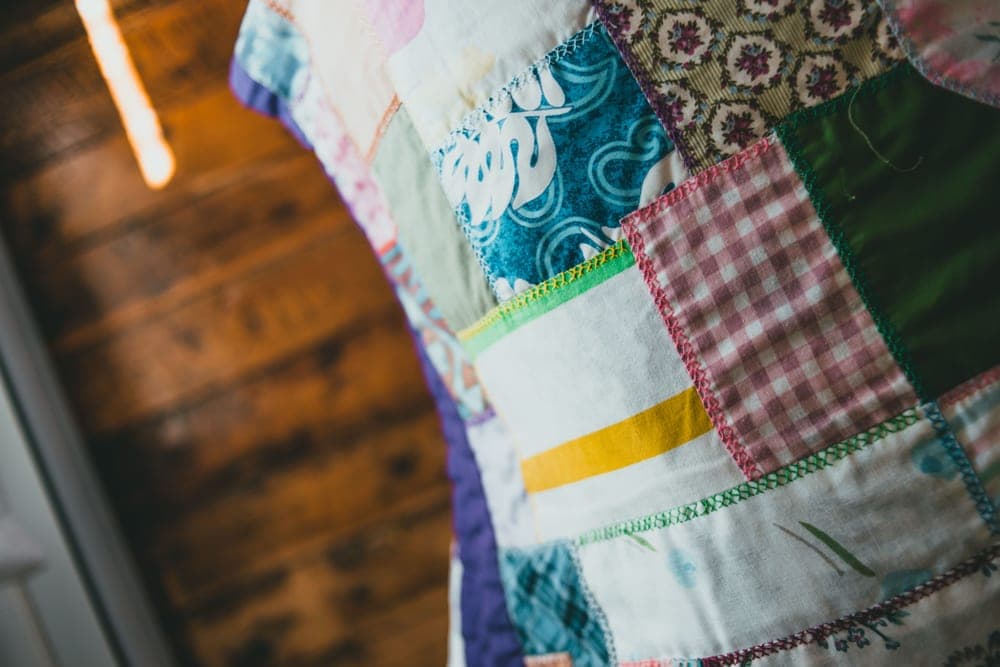 YnM Weighted BlanketThe sizing catalog, not the luxury pick: glass beads in small quilted pockets, in weights and dimensions from child up to king. | Odd sizes and weights nobody else makes | 5 to 30 lb across 7 sizes | |
| 2 | 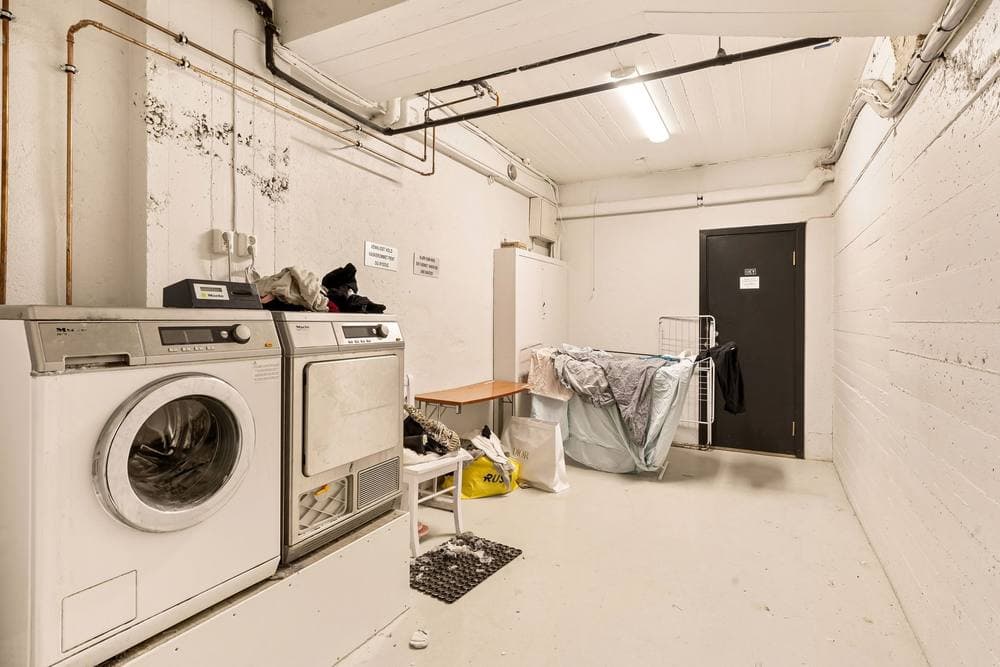 Quility Premium Weighted BlanketThe blanket that solves the laundry problem out of the box: a removable minky duvet cover ties on at eight points and goes in the machine on its own. | A washable cover included in the box | Removable minky duvet cover included, 8 tie points, 5-30 lb ladder | |
| 3 | 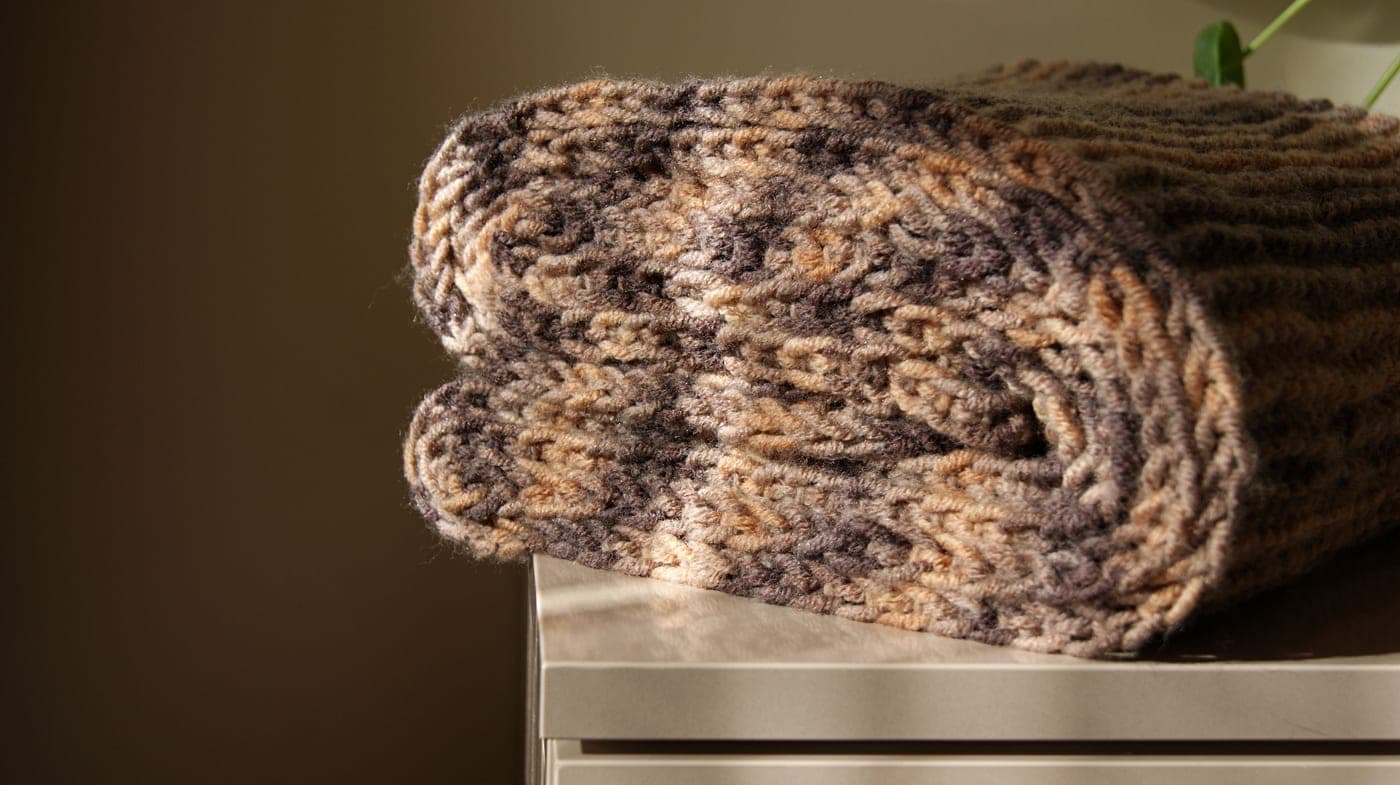 Bearaby Cotton NapperThe only mainstream weighted blanket with no beads at all - the weight is the yarn itself, so air moves straight through the knit. | Anyone who hates the sealed-duvet feeling | Bead-free: weight comes from organic cotton yarn | |
| 4 | 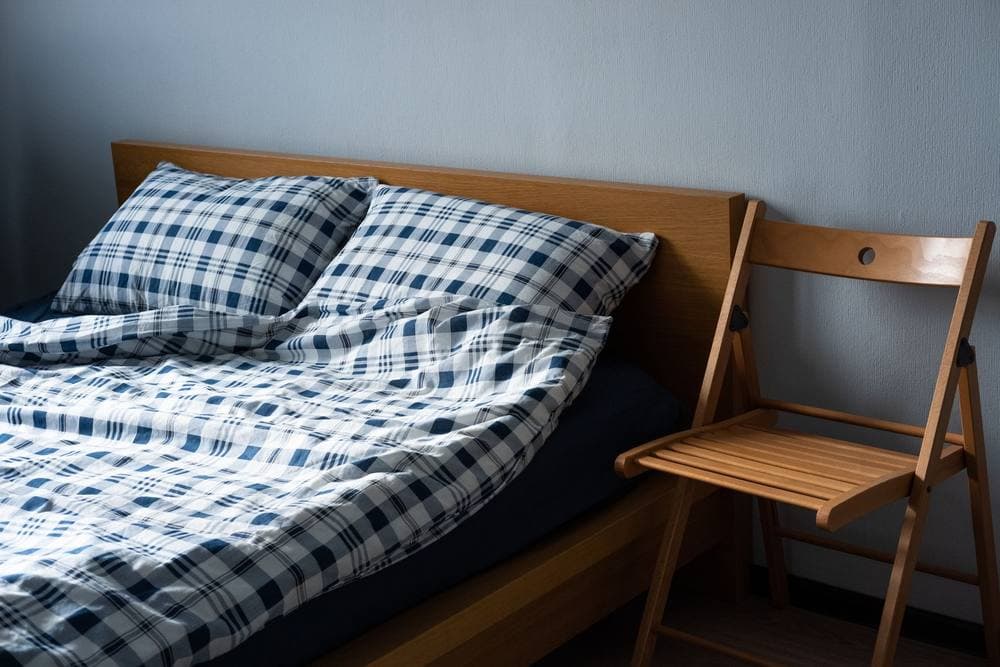 Luna Cotton Weighted BlanketOEKO-TEX cotton, glass beads and eight corner loops for a duvet cover - the mid-price blanket that keeps turning up in tested roundups. | A cotton bead blanket without the premium price | OEKO-TEX 300 thread count cotton shell, glass-bead fill, 10-30 lb ladder |
We have no live price feed for this site yet, so every button reads “Check price on Amazon” rather than showing a number that could be out of date. As an Amazon Associate we earn from qualifying purchases.
Ranked on whether the maker publishes a low enough weight to be safe for a child, and on how easily the thing washes. Every pick is a real, currently-sold product; none has been tested by us, and the specifications are the manufacturers' own.
Our top pick · Odd sizes and weights nobody else makes
1. YnM Weighted Blanket
The sizing catalog, not the luxury pick: glass beads in small quilted pockets, in weights and dimensions from child up to king.
- Fill:
- Glass beads in small quilted pockets
- Weights:
- 5 to 30 lb
- Sizes:
- 7, from child through king
- Construction:
- Layered quilted pocket system
What it gets right
- The widest weight range in the category, which matters if the ten percent rule lands you on an unusual number
- Small pockets keep beads distributed better than large-baffle designs
- Consistently the cheapest way into a proper glass-bead blanket
Where it falls short
- Shell fabric quality is the trade-off for the price
- Runs warm compared with cotton-knit options
- Frequently sold without the duvet cover you will probably want
Skip it if: You are a hot sleeper. This is a warm blanket and no cover fixes that.
Pick 2 · A washable cover included in the box
2. Quility Premium Weighted Blanket
The blanket that solves the laundry problem out of the box: a removable minky duvet cover ties on at eight points and goes in the machine on its own.
- Fill:
- Glass beads in small quilted polyester pockets
- Shell:
- Cotton, in a 7-layer construction
- Cover:
- Removable micro-mink duvet cover, 8 string ties
- Weights:
- 5 lb through 30 lb
- Sizing:
- Maker suggests 10-14% of body weight
What it gets right
- The cover is included rather than an upsell, which is the whole reason to buy this one
- Small quilted pockets keep beads from migrating to the foot of the bed
- The weight ladder starts low enough for a smaller teenager
Where it falls short
- Thin fabric ties rather than a zip, and testers have doubted them on the heavy sizes
- Getting a heavy blanket back into the cover is a two-person job
- The minky cover is warm - it is not the pick for a hot sleeper
Skip it if: You sleep hot. A mink-feel polyester cover is the warmest surface in this category.
Pick 3 · Anyone who hates the sealed-duvet feeling
3. Bearaby Cotton Napper
The only mainstream weighted blanket with no beads at all - the weight is the yarn itself, so air moves straight through the knit.
- Fill:
- None - weight is long-staple organic cotton yarn
- Weights:
- 8 lb (kids and travel), 12, 15, 20, 25 lb
- Construction:
- Open hand-knit weave
- Care:
- Machine washable
What it gets right
- No beads means no shifting, no bunching and no rustling
- The open knit breathes better than any quilted shell in this roundup
- Doubles as a sofa throw without looking like medical equipment
Where it falls short
- Among the most expensive options in the category
- The open weave catches on rings, watches and rough pet claws
- Heavy knit takes a long time to dry
Skip it if: You want the tucked-in, evenly pinned feeling a bead blanket gives. The knit drapes; it does not press.
Pick 4 · A cotton bead blanket without the premium price
4. Luna Cotton Weighted Blanket
OEKO-TEX cotton, glass beads and eight corner loops for a duvet cover - the mid-price blanket that keeps turning up in tested roundups.
- Fill:
- Glass microbeads with a fiber layer
- Shell:
- OEKO-TEX certified 300 thread count cotton
- Weights:
- 10 lb through 30 lb, in several sizes
- Cover:
- Shell is not removable; 8 loops take a separate duvet cover
- Care:
- Machine washable; 2-year warranty
What it gets right
- A cotton shell rather than polyester, so it does not trap heat the way minky does
- The widest weight ladder of the mid-price blankets
- Loops are sewn in, so a cover will not slide around inside
Where it falls short
- The blanket itself has no removable cover - you buy that separately
- The bare cotton shell is plain to look at
- The heaviest sizes are hard work in a domestic washing machine
Skip it if: You want the cover included in the box. Quility ships one with the blanket.
Questions people actually ask
Do weighted blankets help autistic children sleep?
A 2014 randomized controlled trial in Pediatrics tested exactly this in 63 autistic children with sleep problems and found no increase in total sleep time and no difference on any other objective or subjective sleep measure. In the same trial, children and parents strongly preferred the weighted blanket. The fair summary is that it is comfortable and well liked, but it did not change measured sleep.
How heavy should a weighted blanket be for a child?
Around ten percent of the child's body weight, rounded down rather than up. Pediatric patient-education guidance uses that figure. More important than the number: the child must be able to push the blanket off by themselves, which you test while they are awake before it is ever used at night.
What age can a child use a weighted blanket?
Not under two years old under any circumstances, and many clinicians set the line higher. The deciding factor is not age but capability - a child who cannot reliably reposition or remove bedding on their own must not sleep under added weight.
Are weighted blankets good for ADHD?
There is even less published evidence here than for autism. What it can do is make settling into stillness at bedtime more tolerable, which is a common ADHD difficulty. What it will not do is quiet a mind that is still running after lights-out; a consistent wake time does more for that than any bedding.
Can a weighted blanket be used instead of a sensory diet or therapy?
No. It is one object that some children find calming, not a substitute for professional input. If a weighted blanket is part of a plan from an occupational therapist or clinician, follow their weight and duration guidance over anything a manufacturer prints.
Does the blanket need a washable cover for a child?
In practice, yes. A child's blanket needs washing far more often than an adult's, and a 15 lb blanket does not fit comfortably in most home machines. A removable duvet-style cover means you wash a few pounds of fabric instead of the whole blanket.
Sources
- Gringras P, Green D, Wright B, et al. Weighted blankets and sleep in autistic children - a randomized controlled trial. Pediatrics, 2014;134(2):298-306 (PubMed 25022743).
- Guy's and St Thomas' NHS Foundation Trust - Heavy blankets do not help children with autism to sleep (plain-language summary from the hospital that ran the trial).
- Gillette Children's - Weighted Blankets patient education (pediatric weight guidance).
- Sleep Foundation - Best Weighted Blankets for Kids.
- YnM - weighted blanket size guide (manufacturer sizes in inches, weight range, and the shared-bed weight table).
- Mattress Clarity - Quility Weighted Blanket review (hands-on testing: removable machine-washable minky cover, cotton inner, glass microbeads, sizes and weights).
- Luna - Luxe Cotton Weighted Blanket (manufacturer specifications).
- Ekholm B, Spulber S, Adler M. A randomized controlled study of weighted chain blankets for insomnia in psychiatric disorders. Journal of Clinical Sleep Medicine, 2020.
Back to the best weighted blankets.
Read next
- Best weighted blanket for kidsThe full child safety rules and the age guidance.Read it
- Best weighted blankets for teensWhere the adult weight chart starts to apply again.Read it
- How heavy should a weighted blanket be?The ten-percent rule and when to round down.Read it
- Best weighted blankets with a washable coverBecause a child's blanket gets washed, repeatedly.Read it
- Do weighted blankets help anxiety?The trial evidence that does exist, and what it covers.Read it