
How this page is funded: we earn a commission if you buy through the links below, at no extra cost to you. As an Amazon Associate we earn from qualifying purchases. It does not change which products we pick or the order they appear in. Full disclosure.
How these picks were made: by comparing published specifications and clearly-credited public reporting. We do not run a laboratory, we have not measured these products, and we do not claim to have slept with them. Here is exactly how we choose.
Buy glass microbeads if you want a conventional quilted blanket, and a bead-free knit if you run hot or hate the sealed feeling. Plastic poly-pellets are the one to avoid at any price; ceramic is a niche option you will rarely have to decide about.
The comparison
| Fill | Density | Noise | Washable | Heat | Cost |
|---|---|---|---|---|---|
| Glass microbeads | High - thin blanket for the weight | Near-silent | Usually, cold and gentle | Warm, quilted build | Mid |
| Ceramic beads | High, similar to glass | Slight click when moved | Usually | Warm | Mid to high |
| Plastic poly-pellets | Low - bulky for the same weight | Audible rustle | Often not tumble-safe | Warmest | Cheapest |
| Steel shot beads | Highest | Quiet but heavy-feeling | Varies | Warm | High |
| None (dense knit yarn) | N/A - weight is the fabric | Silent | Yes, slow to dry | Coolest by a wide margin | Highest |
Glass microbeads: the modern default
Glass microbeads are roughly the size of coarse sand. Because glass is dense, you get the weight you need in a much thinner blanket than plastic pellets require - which matters more than it sounds, because thickness is what makes a weighted blanket hot. They are quiet, hypoallergenic, and survive a cold gentle wash.
The trade-off is what happens when a seam fails. A split baffle releases a lot of very small hard beads into a bed, which is a nuisance for an adult and a genuine reason to check seams regularly on a child’s blanket. Small pockets and double stitching are the features that prevent it.
Ceramic beads: rare, and fine
Ceramic beads behave very similarly to glass - comparable density, comparable blanket thickness - with a slightly harder edge to the sound when the blanket moves. They appear in a minority of blankets and are not worth seeking out or avoiding. If the blanket you want uses ceramic, that is not a reason to look elsewhere.
Plastic poly-pellets: the one to avoid
Poly-pellets are the cheap fill, and they lose on every axis that matters. Being much less dense than glass, they need far more volume for the same weight, so the blanket is thicker, hotter and more bulky. They rustle audibly when you move - an unwelcome sound if you bought the blanket to settle a busy mind. And many poly-pellet blankets are not tumble-dry safe, because the pellets can deform with heat.
The only case for them is a very tight budget, and even then a small-size glass bead blanket is usually available for similar money.
No beads: the knit exception
A knit weighted blanket has no fill. The weight is the yarn - dense cotton or a cotton-lyocell blend, hand-knitted into a loose open weave. That removes the sealed pocket of trapped air that makes every quilted blanket warm, so it is the coolest construction available and the one we recommend to anyone who reports overheating. It also drapes rather than pressing, which side sleepers generally prefer.
The costs are real: it is the most expensive construction, the open weave snags on jewelry and claws, and a wet knit takes a long time to dry - see the washing guide.
Baffles matter more than fill type
One thing the fill debate obscures: the pocket construction is a better predictor of a good blanket than the bead material. Small pockets with double-stitched seams keep the weight where the designer put it. Large baffles let beads migrate downhill, so you end up with a heavy fold at your feet and nothing across your chest - which defeats the even-pressure mechanism entirely.
On a product page, look for a stated pocket size or a visible small-square quilt pattern, and for the words “double stitched”. If neither appears, assume large baffles.
One blanket for each fill worth buying
Tap any row to jump to the full write-up. The photographs are licensed stock images chosen to illustrate the category - they are not photographs of these specific products, and each one’s alt text describes what is actually shown.
| # | Product | Best for | The spec that decides it | Price |
|---|---|---|---|---|
| 1 | 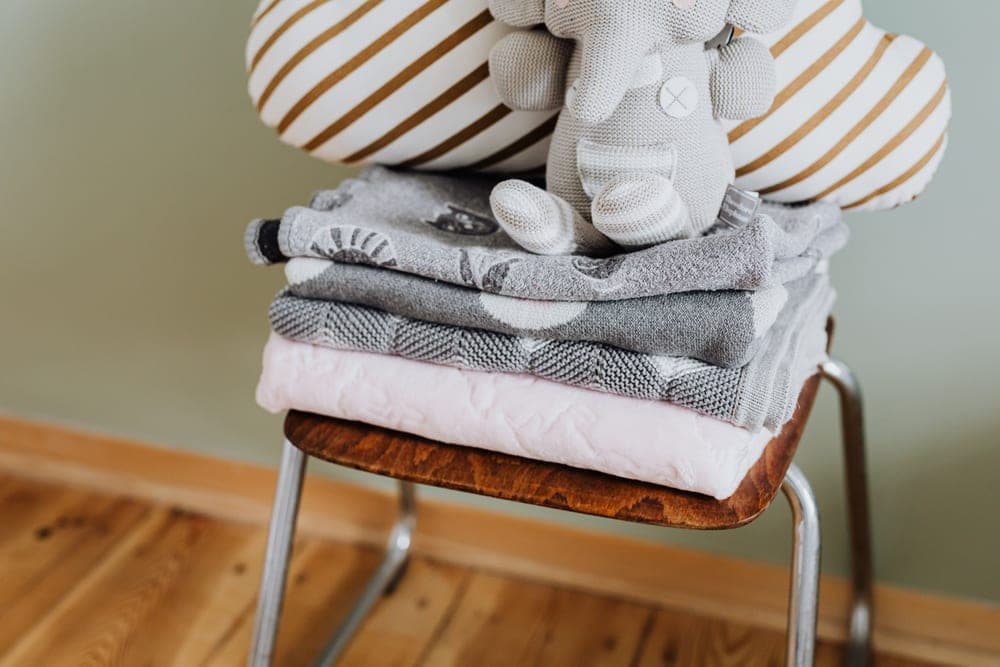 Baloo Living Weighted BlanketA conventional glass-bead blanket done carefully: 100% cotton shell and liner, and double-stitched baffles so the beads stay where they were put. | A cotton bead blanket that does not run hot | Glass microbeads in a 100% cotton shell and liner | |
| 2 | 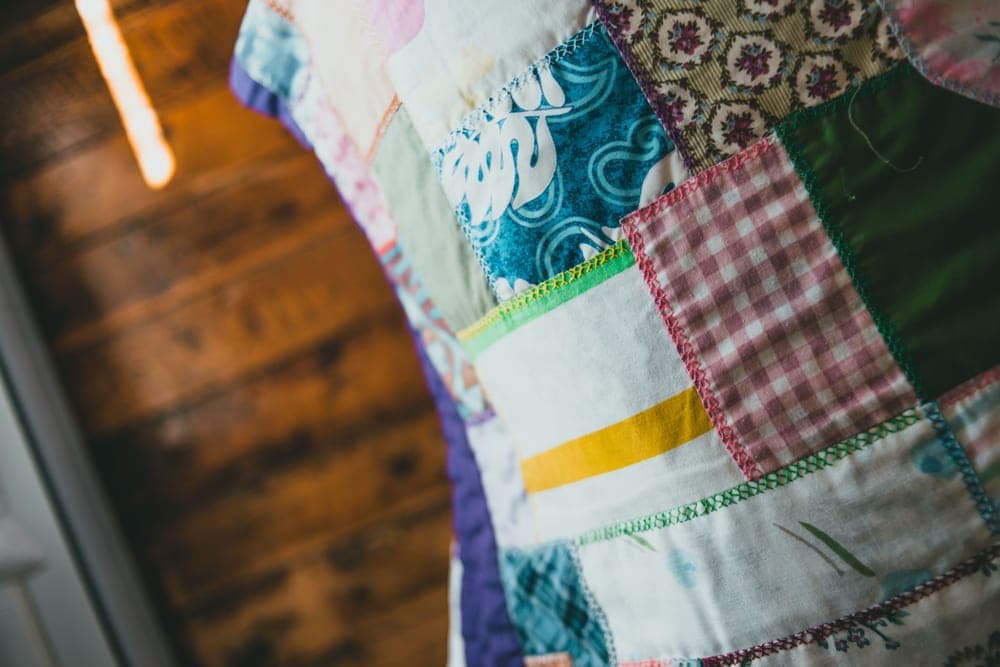 YnM Weighted BlanketThe sizing catalog, not the luxury pick: glass beads in small quilted pockets, in weights and dimensions from child up to king. | Odd sizes and weights nobody else makes | 5 to 30 lb across 7 sizes | |
| 3 | 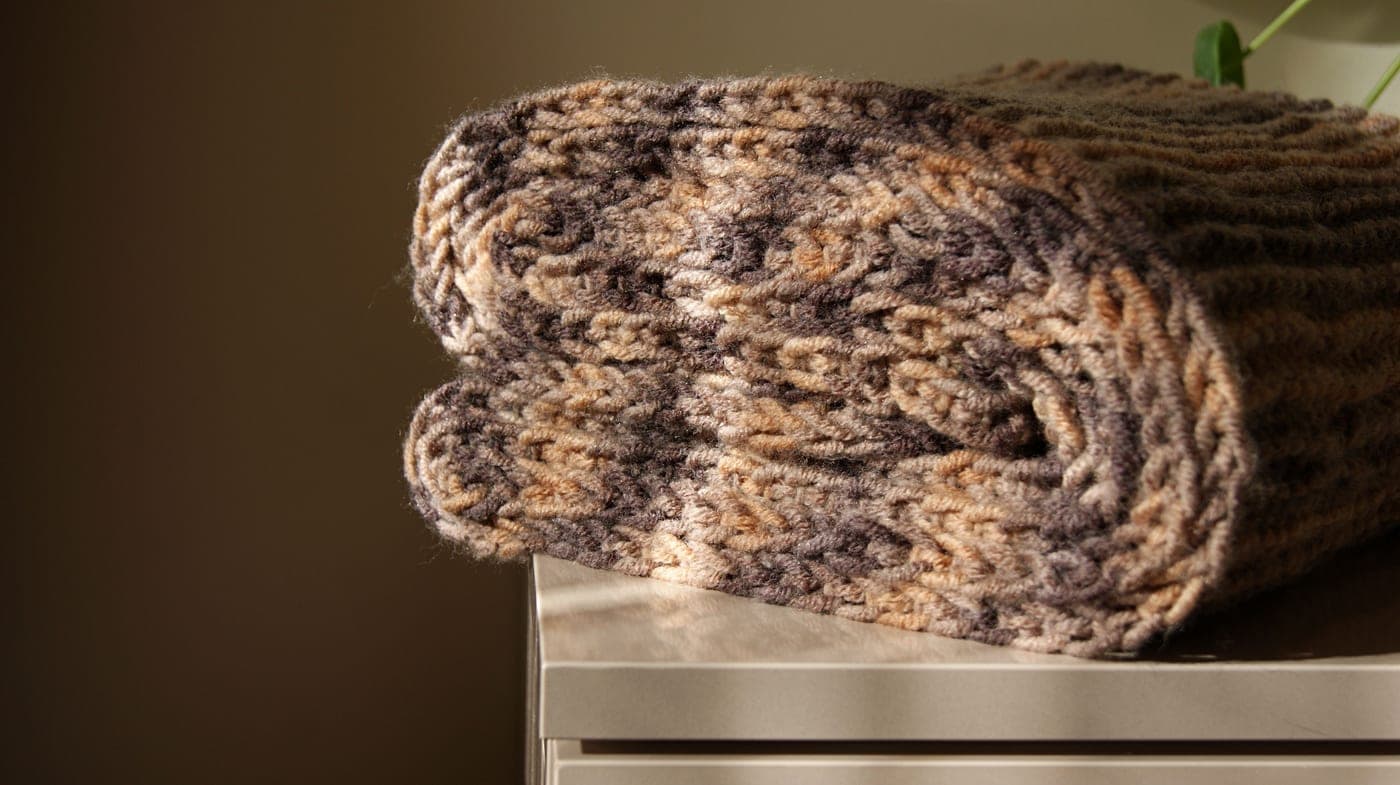 Bearaby Cotton NapperThe only mainstream weighted blanket with no beads at all - the weight is the yarn itself, so air moves straight through the knit. | Anyone who hates the sealed-duvet feeling | Bead-free: weight comes from organic cotton yarn |
We have no live price feed for this site yet, so every button reads “Check price on Amazon” rather than showing a number that could be out of date. As an Amazon Associate we earn from qualifying purchases.
Our top pick · A cotton bead blanket that does not run hot
1. Baloo Living Weighted Blanket
A conventional glass-bead blanket done carefully: 100% cotton shell and liner, and double-stitched baffles so the beads stay where they were put.
- Fill:
- Glass microbeads
- Shell and liner:
- 100% cotton
- Weights:
- 12, 15, 20, 25 lb
- Construction:
- Double-stitched baffles
What it gets right
- Cotton on both faces rather than a polyester minky backing
- Double-stitched baffles are the single best predictor of a blanket that will not pool
- Classic quilted pressure - the sensation most buyers are actually looking for
Where it falls short
- Cotton is breathable but a quilted shell still traps more heat than an open knit
- No weight below 12 lb
- Bulky and slow to dry after washing
Skip it if: You run very hot. A quilted construction is still two layers of fabric plus fill, whatever the fiber.
Pick 2 · Odd sizes and weights nobody else makes
2. YnM Weighted Blanket
The sizing catalog, not the luxury pick: glass beads in small quilted pockets, in weights and dimensions from child up to king.
- Fill:
- Glass beads in small quilted pockets
- Weights:
- 5 to 30 lb
- Sizes:
- 7, from child through king
- Construction:
- Layered quilted pocket system
What it gets right
- The widest weight range in the category, which matters if the ten percent rule lands you on an unusual number
- Small pockets keep beads distributed better than large-baffle designs
- Consistently the cheapest way into a proper glass-bead blanket
Where it falls short
- Shell fabric quality is the trade-off for the price
- Runs warm compared with cotton-knit options
- Frequently sold without the duvet cover you will probably want
Skip it if: You are a hot sleeper. This is a warm blanket and no cover fixes that.
Pick 3 · Anyone who hates the sealed-duvet feeling
3. Bearaby Cotton Napper
The only mainstream weighted blanket with no beads at all - the weight is the yarn itself, so air moves straight through the knit.
- Fill:
- None - weight is long-staple organic cotton yarn
- Weights:
- 8 lb (kids and travel), 12, 15, 20, 25 lb
- Construction:
- Open hand-knit weave
- Care:
- Machine washable
What it gets right
- No beads means no shifting, no bunching and no rustling
- The open knit breathes better than any quilted shell in this roundup
- Doubles as a sofa throw without looking like medical equipment
Where it falls short
- Among the most expensive options in the category
- The open weave catches on rings, watches and rough pet claws
- Heavy knit takes a long time to dry
Skip it if: You want the tucked-in, evenly pinned feeling a bead blanket gives. The knit drapes; it does not press.
Questions people actually ask
Are glass beads or plastic pellets better in a weighted blanket?
Glass, in almost every case. Glass is much denser, so you get the same weight in a thinner and therefore cooler blanket, it is near-silent where plastic rustles, and it survives washing better. Plastic poly-pellets win only on price.
Are glass beads in weighted blankets safe?
Glass microbeads are the mainstream fill because they are dense, quiet, hypoallergenic and washable. The practical risk is a torn shell releasing beads rather than the glass itself, so small quilted pockets and double-stitched seams are the features worth paying for - especially on a child's blanket.
What is the difference between glass and ceramic beads?
Very little in practice. Density and blanket thickness are comparable; ceramic has a slightly harder click when the blanket moves. Ceramic appears in a minority of blankets and is neither worth seeking out nor avoiding.
Why does my weighted blanket feel lumpy?
The baffles are too large and the beads have migrated to the lowest point. That is a construction problem, not a fill problem, and it defeats the even-pressure mechanism the blanket exists for. Look for small quilted pockets and double stitching on your next one.
Is a knit weighted blanket as heavy as a bead one?
Yes - knits are sold in the same weights, up to 25 lb. The difference is how the weight behaves: knit drapes and conforms, beads press flat. At identical weights the two feel quite different, which is why switching construction is often a better fix than changing weight.
Sources
Back to the best weighted blankets.
Read next
- How heavy should a weighted blanket be?The same weight in different fills feels different.Read it
- How to wash a weighted blanketInstructions by fill type, including the knit.Read it
- Best weighted blankets for hot sleepersWhere the bead-free construction earns its price.Read it
- Best weighted blankets, overallThe full shortlist with one blanket per fill.Read it