
How this page is funded: we earn a commission if you buy through the links below, at no extra cost to you. As an Amazon Associate we earn from qualifying purchases. It does not change which products we pick or the order they appear in. Full disclosure.
How these picks were made: by comparing published specifications and clearly-credited public reporting. We do not run a laboratory, we have not measured these products, and we do not claim to have slept with them. Here is exactly how we choose.
Short answer: worth it if deep pressure already calms you down - if you sleep better in a tightly tucked bed, like firm hugs, or reach for a heavy coat over your knees on the sofa. Not worth it if you run hot, if you share one bed with a partner who does not want it, or if your actual problem is that you are in bed for six hours. The evidence supports a real but modest effect on insomnia severity, not a transformation.
This category has a marketing problem. The claims range from "reduces anxiety" to language that edges toward medical, and the actual research is narrower and more interesting than either the hype or the backlash. So let us put the evidence down first and then work out who should buy one.
What the research actually supports
The strongest study is Ekholm and colleagues’ 2020 randomized controlled trial in the Journal of Clinical Sleep Medicine: patients with insomnia alongside a psychiatric diagnosis, randomized to a weighted chain blanket or a light control blanket for four weeks. The weighted group showed a significantly larger reduction in insomnia severity. The American Academy of Sleep Medicine covered it when it published, which is a reasonable signal that it was taken seriously by the field.
Two honest caveats about carrying that result over to you. First, the population was clinical - people with insomnia and a psychiatric condition - which is not the same as a generally stressed person who sleeps fine four nights out of seven. Second, blinding a heavy blanket is impossible; everyone knew which arm they were in.
On the other side of the ledger, the one randomized trial in autistic children found no objective sleep benefit at all, while finding that the children and parents still preferred the weighted blanket. That pair of results is the whole picture in miniature: measurable effects are modest and population-specific, and the comfort effect is robust and widely felt.
Our reading: a weighted blanket is a legitimate comfort purchase with one good trial behind it for insomnia severity in a clinical group. It is not a sleep treatment, and the anxiety question deserves its own page, which we gave it.
Four buyers who get their money’s worth
- People who are calmed by pressure, and already know it. You like a tucked-in bed, a heavy coat across your lap, a firm hug. This is the single best predictor we can name, and it costs nothing to check.
- People whose bodies will not settle at lights-out. Not a racing mind - a restless body, fidgeting, repositioning, kicking the sheets off. Weight gives that something to push against.
- People who wake and thrash. A heavy blanket stays put. A duvet ends up on the floor at 3am and takes you with it; see the 3am page for the rest of that problem.
- People buying it as a sofa object as much as a bed one. Honestly a large share of satisfied owners. Under it on the couch at nine, asleep by eleven - and at that point it earned its money on the couch.
Four buyers who should skip it
- Hot sleepers, unless you buy specifically for heat. Mass means fabric and fabric means insulation. It is solvable - the hot-sleeper roundup is a whole page about solving it - but a default bead blanket will cook you.
- Couples sharing one blanket. Weighted blankets do not drape across two bodies; move and you pull the weight off your partner. The couples page explains why two singles usually beats one king.
- Anyone whose real problem is time in bed. No blanket adds hours. If you are getting six, the CDC’s duration guidance is the cheaper intervention and it is free.
- People who dislike being constrained. If a tucked sheet feels like a trap, a weighted blanket is that feeling for seven hours. Trust the instinct.
The three ways people waste the money
Nearly every unhappy weighted-blanket owner we can account for made one of these three mistakes, and all three are avoidable before you buy.
Buying too heavy. The ten-percent rule exists for a reason and people routinely ignore it upward, on the theory that more weight means more effect. It means more heat and more difficulty moving. Use the chart, and round down if you are between sizes.
Buying the wrong size. A weighted blanket is sized to a person, not a mattress - overhang drags it off the bed and adds pull you did not plan for. The size guide covers it; the short version is that a queen bed does not require a queen weighted blanket.
Buying a warm one and then being surprised. Minky and fleece covers feel wonderful in a store and sleep hot. If you have any history of overheating, the cover material is the first spec to check, not the last.
What it should cost, and where the money goes
Specification comparisons like Sleep Foundation’s make the price tiers clear enough. The money buys three things in roughly this order: fabric quality, bead containment, and the cover arrangement. It does not buy more weight - weight is cheap - and it does not buy a better mechanism.
Which means the floor is genuinely usable. A well-made cotton-and-glass blanket around the hundred-dollar mark does the same job as a designer knit; the knit is nicer to look at and breathes better. We have a roundup of what is honestly good under $100, and if you are not sure whether pressure works for you at all, that is where to run the experiment rather than at the top of the market.
If the answer is yes, these three are where to start
Tap any row to jump to the full write-up. The photographs are licensed stock images chosen to illustrate the category - they are not photographs of these specific products, and each one’s alt text describes what is actually shown.
| # | Product | Best for | The spec that decides it | Price |
|---|---|---|---|---|
| 1 | 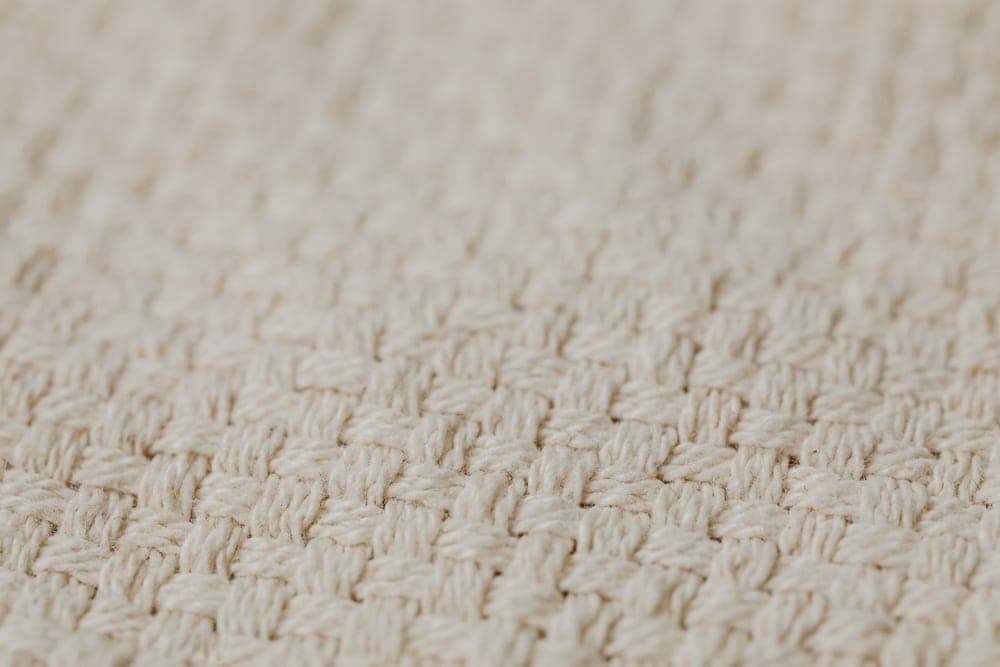 Bearaby Tree NapperThe cooling version of the Napper: same bead-free knit, but half the fiber is Tencel lyocell, which moves moisture instead of holding it. | Hot sleepers who still want real weight | 50% Tencel lyocell / 45% organic cotton / 5% spandex | |
| 2 | 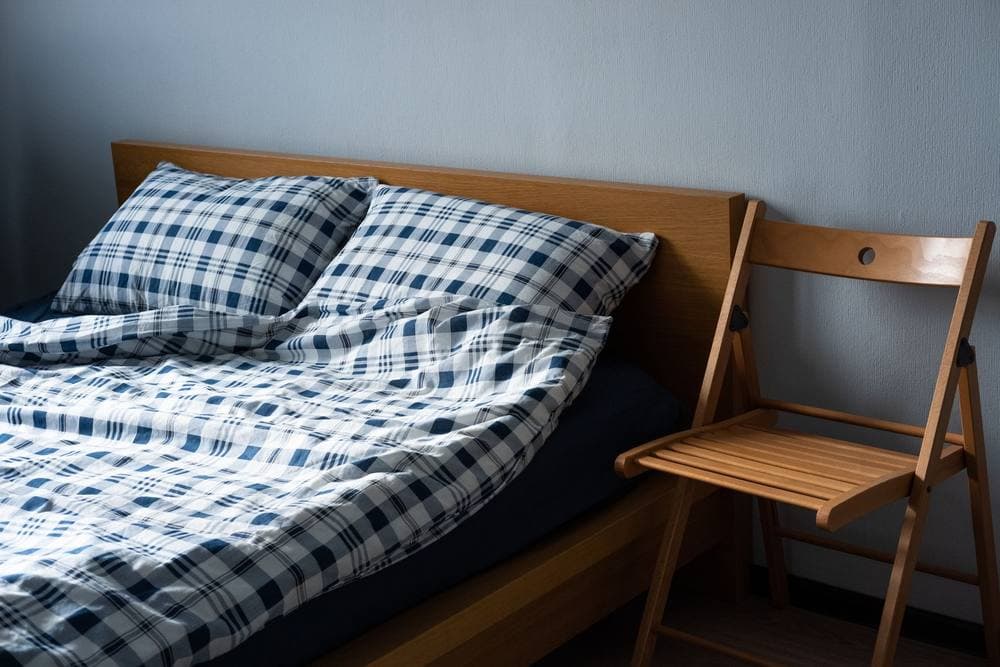 Luna Cotton Weighted BlanketOEKO-TEX cotton, glass beads and eight corner loops for a duvet cover - the mid-price blanket that keeps turning up in tested roundups. | A cotton bead blanket without the premium price | OEKO-TEX 300 thread count cotton shell, glass-bead fill, 10-30 lb ladder | |
| 3 | 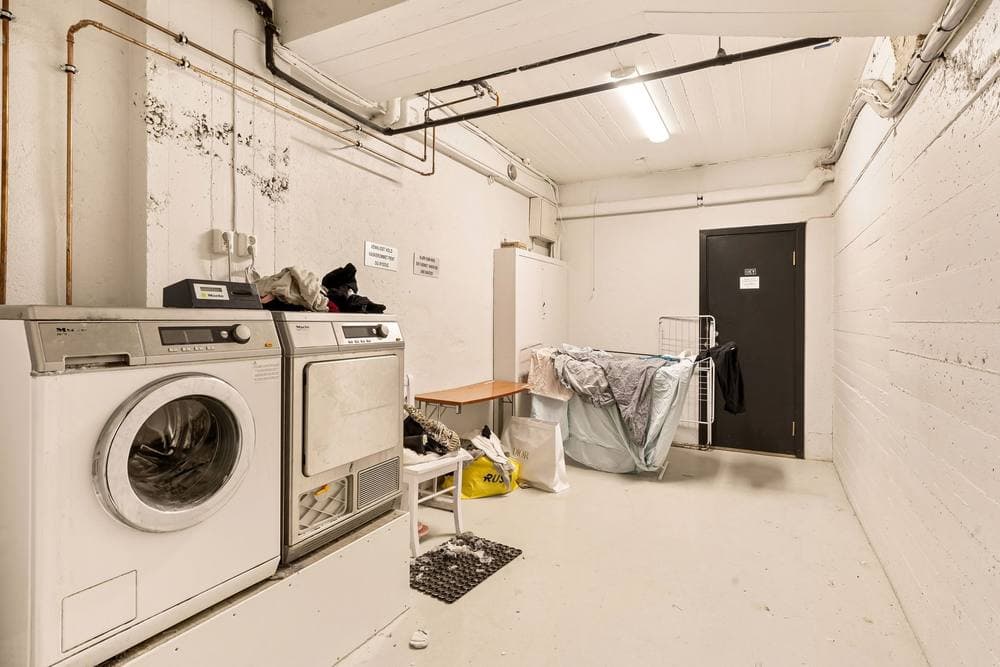 Quility Premium Weighted BlanketThe blanket that solves the laundry problem out of the box: a removable minky duvet cover ties on at eight points and goes in the machine on its own. | A washable cover included in the box | Removable minky duvet cover included, 8 tie points, 5-30 lb ladder |
We have no live price feed for this site yet, so every button reads “Check price on Amazon” rather than showing a number that could be out of date. As an Amazon Associate we earn from qualifying purchases.
One for hot sleepers, one for the best cotton-and-glass build at a sane price, one for anyone who wants the washable cover in the box. Every pick is a real, currently-sold product; none has been tested by us, and the specifications are the manufacturers' own.
Our top pick · Hot sleepers who still want real weight
1. Bearaby Tree Napper
The cooling version of the Napper: same bead-free knit, but half the fiber is Tencel lyocell, which moves moisture instead of holding it.
- Fill:
- None - weight from dense Tencel and cotton fiber
- Weights:
- 15, 20, 25 lb (single-sleeper sizing)
- Fabric:
- Tencel lyocell blend, cool to the touch
- Care:
- Machine wash and tumble dry cold, gentle cycle
What it gets right
- Two cooling mechanisms at once: a moisture-wicking fiber and an open weave
- No synthetic fill, so nothing traps a pocket of warm air against you
- Same weight options as the cotton version, so you are not trading weight for temperature
Where it falls short
- Premium price, and the cooling blend costs more than the cotton one
- No sizes below 15 lb, which rules it out for smaller adults
- Open knit is snag-prone
Skip it if: You need a blanket under 15 lb, or you share it with a partner - these are sized for one person.
Pick 2 · A cotton bead blanket without the premium price
2. Luna Cotton Weighted Blanket
OEKO-TEX cotton, glass beads and eight corner loops for a duvet cover - the mid-price blanket that keeps turning up in tested roundups.
- Fill:
- Glass microbeads with a fiber layer
- Shell:
- OEKO-TEX certified 300 thread count cotton
- Weights:
- 10 lb through 30 lb, in several sizes
- Cover:
- Shell is not removable; 8 loops take a separate duvet cover
- Care:
- Machine washable; 2-year warranty
What it gets right
- A cotton shell rather than polyester, so it does not trap heat the way minky does
- The widest weight ladder of the mid-price blankets
- Loops are sewn in, so a cover will not slide around inside
Where it falls short
- The blanket itself has no removable cover - you buy that separately
- The bare cotton shell is plain to look at
- The heaviest sizes are hard work in a domestic washing machine
Skip it if: You want the cover included in the box. Quility ships one with the blanket.
Pick 3 · A washable cover included in the box
3. Quility Premium Weighted Blanket
The blanket that solves the laundry problem out of the box: a removable minky duvet cover ties on at eight points and goes in the machine on its own.
- Fill:
- Glass beads in small quilted polyester pockets
- Shell:
- Cotton, in a 7-layer construction
- Cover:
- Removable micro-mink duvet cover, 8 string ties
- Weights:
- 5 lb through 30 lb
- Sizing:
- Maker suggests 10-14% of body weight
What it gets right
- The cover is included rather than an upsell, which is the whole reason to buy this one
- Small quilted pockets keep beads from migrating to the foot of the bed
- The weight ladder starts low enough for a smaller teenager
Where it falls short
- Thin fabric ties rather than a zip, and testers have doubted them on the heavy sizes
- Getting a heavy blanket back into the cover is a two-person job
- The minky cover is warm - it is not the pick for a hot sleeper
Skip it if: You sleep hot. A mink-feel polyester cover is the warmest surface in this category.
Questions people actually ask
Are weighted blankets worth the money?
For someone already calmed by pressure - a tucked-in bed, a heavy coat across the lap - yes, and a hundred-dollar cotton-and-glass blanket does the job as well as a designer one. For hot sleepers, couples sharing one blanket, or anyone whose real problem is time in bed, no. The best randomized trial found a real but modest reduction in insomnia severity in a clinical group, not a transformation.
Do weighted blankets actually work?
The strongest evidence is a 2020 randomized controlled trial of patients with insomnia alongside a psychiatric diagnosis, which found a significantly larger drop in insomnia severity in the weighted-blanket group over four weeks. A trial in autistic children found no objective sleep benefit. So: modest, real, and population-specific - plus a comfort effect that is reported almost universally.
How do I know if a weighted blanket will work for me before buying one?
Check whether pressure already calms you. If you sleep better in tightly tucked bedding, like firm hugs, or pull a heavy coat over your knees on the sofa, the odds are good. If being tucked in feels like being trapped, this category is not for you and no amount of spending changes that.
Are weighted blankets worth it if you sleep hot?
Only if you buy specifically for it. Weight comes from fill and fabric, and both insulate, so a default quilted bead blanket with a minky cover is one of the warmest things you can own. A bead-free Tencel or cotton knit solves it; a standard blanket plus hope does not.
How much should I spend on a weighted blanket?
Price buys fabric quality, bead containment and a better cover arrangement - not more weight and not a better mechanism. A well-made cotton-shelled glass-bead blanket around the hundred-dollar mark is genuinely good. If you are unsure whether pressure helps you, run the experiment at that price rather than at the top of the market.
Sources
- Ekholm B, Spulber S, Adler M. A randomized controlled study of weighted chain blankets for insomnia in psychiatric disorders. Journal of Clinical Sleep Medicine, 2020.
- American Academy of Sleep Medicine - Study shows weighted blankets can decrease insomnia severity (2020).
- Gringras P, Green D, Wright B, et al. Weighted blankets and sleep in autistic children - a randomized controlled trial. Pediatrics, 2014;134(2):298-306 (PubMed 25022743).
- Sleep Foundation - Best Weighted Blankets (specification comparison).
- Harding EC, Franks NP, Wisden W. Sleep and thermoregulation. Current Opinion in Physiology, 2020 (PMC7323637).
- CDC - About Sleep: recommended hours of sleep by age and sleep habits.
- Luna - Luxe Cotton Weighted Blanket (manufacturer specifications).
- Mattress Clarity - Quility Weighted Blanket review (hands-on testing: removable machine-washable minky cover, cotton inner, glass microbeads, sizes and weights).
- Bearaby - Tree Napper product specifications (manufacturer).
Back to the best weighted blankets.
Read next
- Best weighted blanketsIf the answer is yes, this is the full roundup.Read it
- How heavy should a weighted blanket be?The single most common way to waste the money.Read it
- Best weighted blankets under $100Where to run the experiment if you are unsure.Read it
- Do weighted blankets help anxiety?The claim that sells them, examined on its own.Read it
- The sleep gear guideWhat to buy first across every category, and what to skip.Read it