
How this page is funded: we earn a commission if you buy through the links below, at no extra cost to you. As an Amazon Associate we earn from qualifying purchases. It does not change which products we pick or the order they appear in. Full disclosure.
How these picks were made: by comparing published specifications and clearly-credited public reporting. We do not run a laboratory, we have not measured these products, and we do not claim to have slept with them. Here is exactly how we choose.
Buy a duvet if you want warmth you can tune by season. Buy a weighted blanket if you want pressure and your bed is already warm enough. Buy a weighted duvet insert only if you genuinely want both and have accepted you will be warm.
Loft versus density: the whole difference
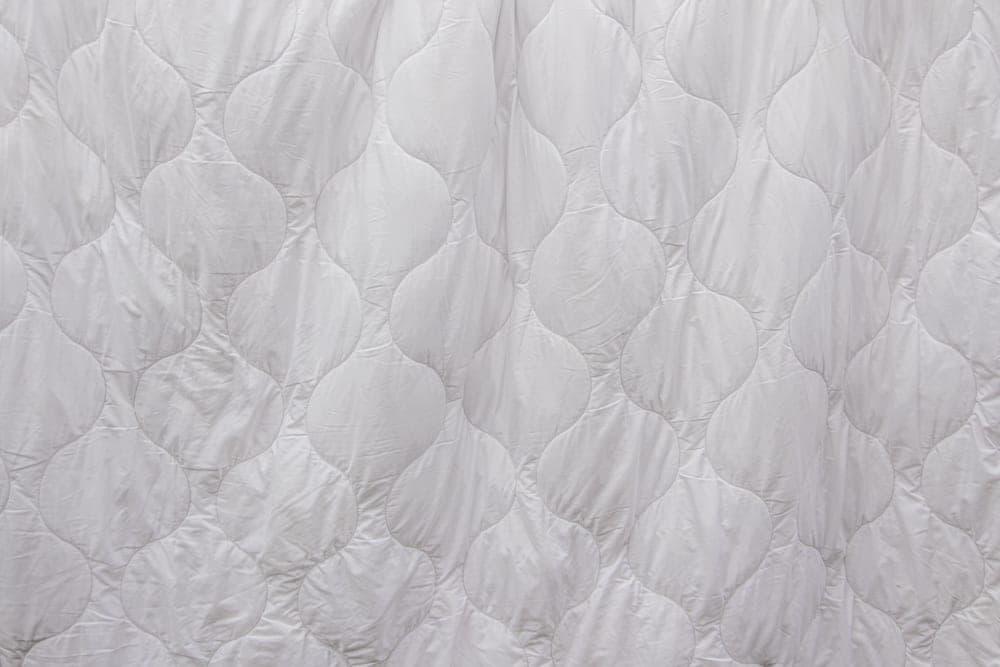
A duvet is mostly air. Down or synthetic fill is engineered to loft - to hold as much still air as possible in as little mass as possible, because still air is what insulates. A good duvet weighs three to seven pounds and can be extremely warm.
A weighted blanket is the opposite specification. Glass microbeads or dense yarn are chosen because they are heavy for their volume, so the blanket delivers pressure without becoming a duvet-sized object. A 20 lb weighted blanket can easily be less warm than a 4 lb down duvet, which surprises people.
The practical upshot: weight and warmth are unrelated in bedding. You choose them separately, and choosing them together is what produces an overheated bed.
The comparison
| Duvet | Weighted blanket | |
|---|---|---|
| Mechanism | Traps still air (loft) | Applies pressure (density) |
| Adjustable by season | Yes - swap the tog rating | No - one weight, year round |
| Cover | Always used with one | Optional, and adds warmth |
| Weight | 3 - 7 lb | 12 - 25 lb |
| Best for | Being cold | Being restless |
Are weighted duvet inserts worth it?
A weighted duvet insert is a weighted blanket built with corner loops so it sits inside a standard duvet cover. It is genuinely convenient - you wash a cover rather than a 20 lb insert - and it is the arrangement we would suggest to most people buying a bead blanket.
What it is not is a way to get duvet warmth and blanket pressure from one item. The cover adds a layer and therefore heat, so if you already run warm you are better off with a bare knit and no cover at all. This is the same trade-off laid out on the hot sleepers page.
Running both without overheating
If your room is genuinely cold and you also want pressure, the order matters: sheet, weighted blanket, then a low-tog duvet over the top. Putting the weighted blanket on top of the duvet feels more natural and is wrong - the duvet’s cover is slick, and a heavy blanket slides off it steadily all night.
Sharing a bed makes this harder. The workable arrangement is a single duvet across both of you and one properly-sized weighted blanket per person on top. Awkward-looking, but it is the only version where both people get the right weight - the weight guide explains why.
The verdict, plainly
These are not competing purchases. If you are cold, a duvet is the answer and a weighted blanket will disappoint you. If you are restless in an already warm bed, a weighted blanket is the answer and a thicker duvet will make things worse. If you cannot tell which you are, the honest test is one night with no duvet at all: if you are comfortable, your problem was never warmth.
The two builds this comparison comes down to
Tap any row to jump to the full write-up. The photographs are licensed stock images chosen to illustrate the category - they are not photographs of these specific products, and each one’s alt text describes what is actually shown.
| # | Product | Best for | The spec that decides it | Price |
|---|---|---|---|---|
| 1 | 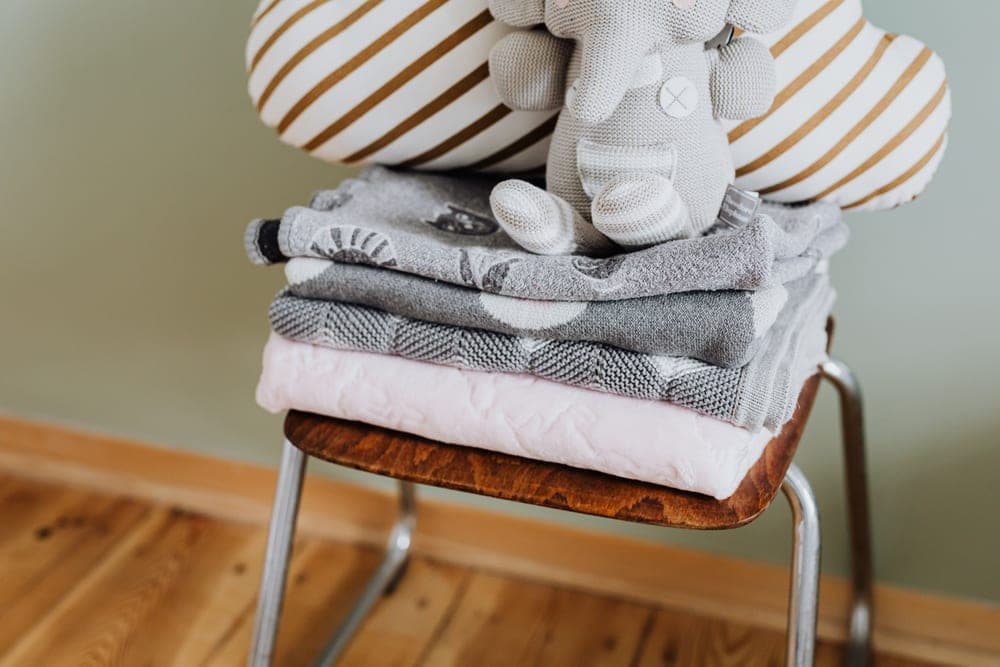 Baloo Living Weighted BlanketA conventional glass-bead blanket done carefully: 100% cotton shell and liner, and double-stitched baffles so the beads stay where they were put. | A cotton bead blanket that does not run hot | Glass microbeads in a 100% cotton shell and liner | |
| 2 | 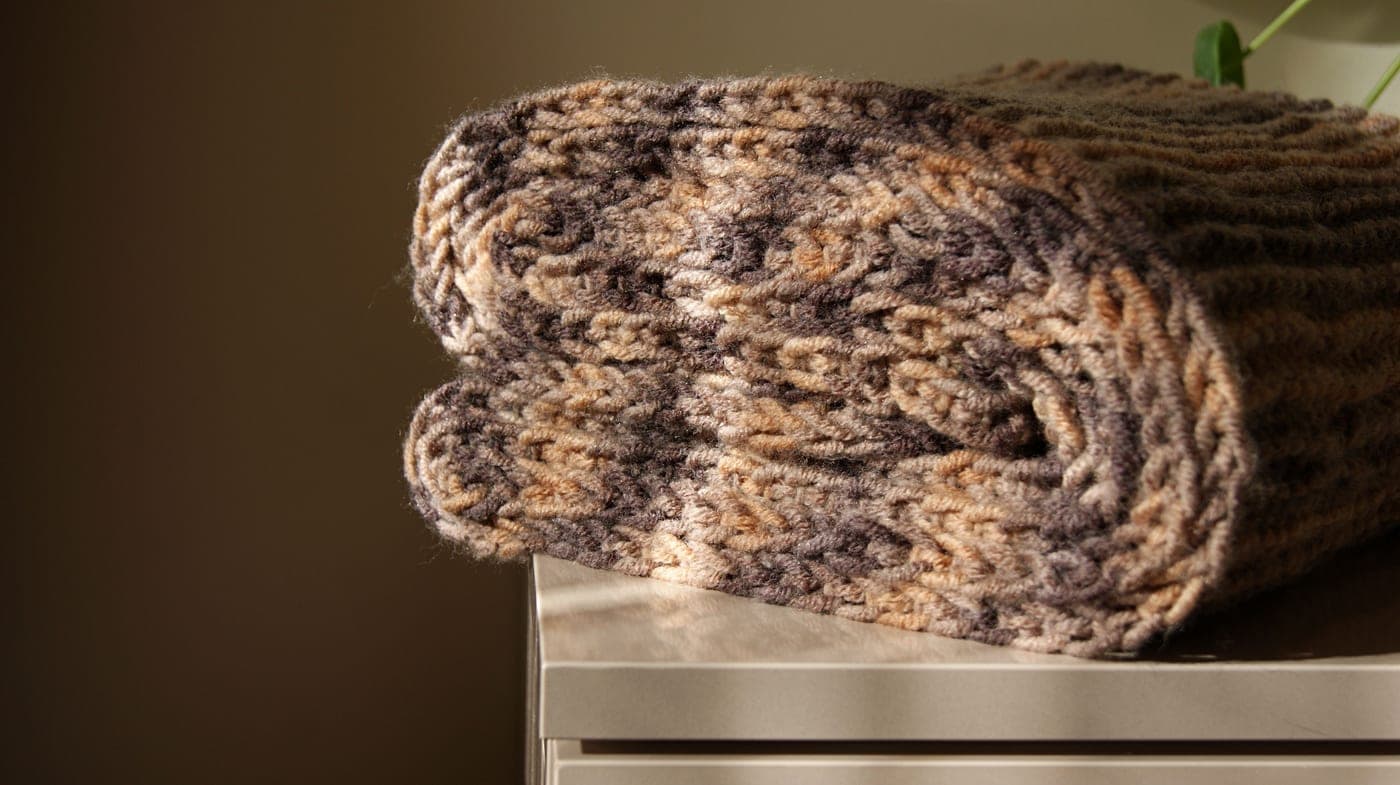 Bearaby Cotton NapperThe only mainstream weighted blanket with no beads at all - the weight is the yarn itself, so air moves straight through the knit. | Anyone who hates the sealed-duvet feeling | Bead-free: weight comes from organic cotton yarn |
We have no live price feed for this site yet, so every button reads “Check price on Amazon” rather than showing a number that could be out of date. As an Amazon Associate we earn from qualifying purchases.
Our top pick · A cotton bead blanket that does not run hot
1. Baloo Living Weighted Blanket
A conventional glass-bead blanket done carefully: 100% cotton shell and liner, and double-stitched baffles so the beads stay where they were put.
- Fill:
- Glass microbeads
- Shell and liner:
- 100% cotton
- Weights:
- 12, 15, 20, 25 lb
- Construction:
- Double-stitched baffles
What it gets right
- Cotton on both faces rather than a polyester minky backing
- Double-stitched baffles are the single best predictor of a blanket that will not pool
- Classic quilted pressure - the sensation most buyers are actually looking for
Where it falls short
- Cotton is breathable but a quilted shell still traps more heat than an open knit
- No weight below 12 lb
- Bulky and slow to dry after washing
Skip it if: You run very hot. A quilted construction is still two layers of fabric plus fill, whatever the fiber.
Pick 2 · Anyone who hates the sealed-duvet feeling
2. Bearaby Cotton Napper
The only mainstream weighted blanket with no beads at all - the weight is the yarn itself, so air moves straight through the knit.
- Fill:
- None - weight is long-staple organic cotton yarn
- Weights:
- 8 lb (kids and travel), 12, 15, 20, 25 lb
- Construction:
- Open hand-knit weave
- Care:
- Machine washable
What it gets right
- No beads means no shifting, no bunching and no rustling
- The open knit breathes better than any quilted shell in this roundup
- Doubles as a sofa throw without looking like medical equipment
Where it falls short
- Among the most expensive options in the category
- The open weave catches on rings, watches and rough pet claws
- Heavy knit takes a long time to dry
Skip it if: You want the tucked-in, evenly pinned feeling a bead blanket gives. The knit drapes; it does not press.
Questions people actually ask
Is a weighted blanket warmer than a duvet?
Not necessarily. A duvet insulates by trapping still air, and a 4 lb down duvet can easily be warmer than a 20 lb weighted blanket. Weight and warmth are unrelated in bedding - a quilted bead blanket runs warm, while a bead-free knit runs cooler than most duvets.
Can you use a weighted blanket inside a duvet cover?
Yes, and for bead blankets it is the arrangement we would suggest, because you wash a cover rather than a 20 lb insert. Just be aware the cover is an extra layer and adds warmth, so it is the wrong move if you already run hot.
Should the weighted blanket go over or under the duvet?
Under. Sheet, then weighted blanket, then the duvet over the top. A heavy blanket resting on a slick duvet cover slides off the bed steadily through the night.
Are weighted duvet inserts worth buying?
For convenience, yes - the washable cover solves the single most annoying thing about owning a weighted blanket. It does not, however, give you duvet warmth and blanket pressure in one item; it is a weighted blanket with loops.
Do I still need a top sheet with a weighted blanket?
It helps. A top sheet keeps body oils off a blanket that is difficult to wash, and it gives you something to remove when you are warm without losing the weight entirely.
Sources
Back to the best weighted blankets.
Read next
- Weighted blanket vs comforterThe layering mistake almost everyone makes first.Read it
- How to wash a weighted blanketWhy the removable cover argument matters.Read it
- Best weighted blankets for hot sleepersIf adding layers is the thing that keeps waking you.Read it
- Best weighted blankets, overallThe shortlist, with knit and quilted options.Read it