
How this page is funded: we earn a commission if you buy through the links below, at no extra cost to you. As an Amazon Associate we earn from qualifying purchases. It does not change which products we pick or the order they appear in. Full disclosure.
How these picks were made: by comparing published specifications and clearly-credited public reporting. We do not run a laboratory, we have not measured these products, and we do not claim to have slept with them. Here is exactly how we choose.
Yes. A sleep mask costs about as much as lunch, takes a night to evaluate, and addresses a variable that genuinely matters. If you have never tried one, the cheap silk mask above is the lowest-risk purchase on this entire site.
The case for, in numbers
Light is the primary signal your body clock uses to know what time it is. The 2022 consensus recommendations published in PLOS Biology suggest keeping light at the eye under about 1 melanopic lux during sleep, a maximum of 10 in the three hours before bed, and at least 250 during the day.
One melanopic lux is genuinely dark. Harvard Health notes that even around 8 lux - about twice a night light, and less than most table lamps - has measurable circadian effects. Almost no bedroom is at 1 lux: a streetlight through a curtain gap, a charging indicator, a smoke alarm LED, a partner checking their phone.
A mask is the cheapest possible way to get to the target without touching the room. That is the whole argument, and it is a good one.
The caveat: fit is where people give up
The reason mask ownership is so much higher than mask use is that the first one people buy usually does not fit properly, and they conclude the category does not work for them. Three specific failure modes, all fixable:
- Light leaks at the nose. Not the mask failing - a shape mismatch at the bridge. Three fixes here.
- It presses on your eyes. You bought a flat mask and wanted a contoured one. Why that matters.
- Unbearable to lie on. You bought a deep contoured mask and sleep on your side. The side-sleeper shortlist is different.
Almost every “masks do not work for me” story is one of those three, and each has a mask that solves it.
Who should skip one
- Anyone who already sleeps in a genuinely dark room and sleeps fine. There is nothing here for you.
- Anyone whose problem is noise. A mask does nothing about a snoring partner - earplugs are the equivalent cheap fix.
- Anyone with an eye condition, recent eye surgery, or persistent eye irritation. Ask a clinician before sleeping in anything that covers your eyes.
- Anyone who could fix the room instead and would rather. Curtains are a better permanent answer for window light, and you do not wear them - the comparison is here.
What to expect, honestly
A mask changes one variable. If light was part of what was waking you, you will notice within a few nights - people commonly report waking less and sleeping later into the morning. If light was not your problem, a mask will do nothing at all, and that is useful information for about ten dollars.
What it will not do is fix insufficient sleep, a racing mind, a snoring partner or an uncomfortable mattress. The honest framing is that it removes one obstacle cheaply, not that it is a sleep solution.
The cheapest way to find out
Before buying anything, try one night with a folded dark t-shirt or a scarf over your eyes. It is a bad mask - it slips, it leaks, it will not last the night - but if even that crude version makes a difference, a real mask will make more. And if it changes nothing at all, light was not your problem and you have saved yourself the purchase.
If the answer is that light is your problem, the free room changes on how to make a bedroom dark for sleeping are worth doing alongside the mask.
The cheap test, and the one to upgrade to
Tap any row to jump to the full write-up. The photographs are licensed stock images chosen to illustrate the category - they are not photographs of these specific products, and each one’s alt text describes what is actually shown.
| # | Product | Best for | The spec that decides it | Price |
|---|---|---|---|---|
| 1 | 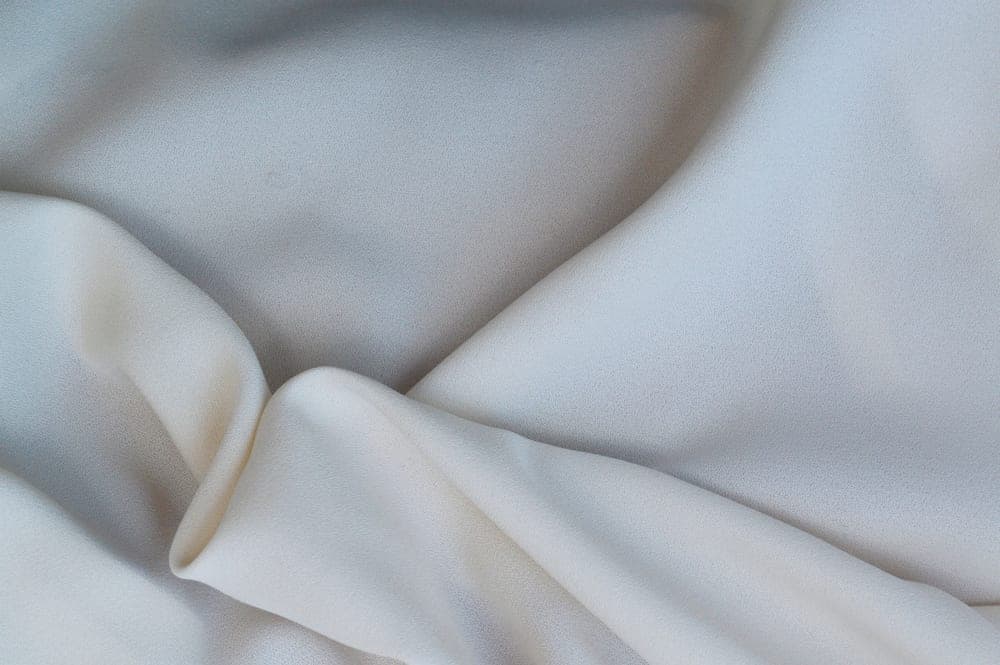 Alaska Bear Natural Silk Sleep MaskA flat silk mask that costs less than lunch and blocks a surprising amount of light - the honest default before you spend more. | The cheapest mask genuinely worth owning | Flat mulberry silk, no cups, no bulk | |
| 2 | 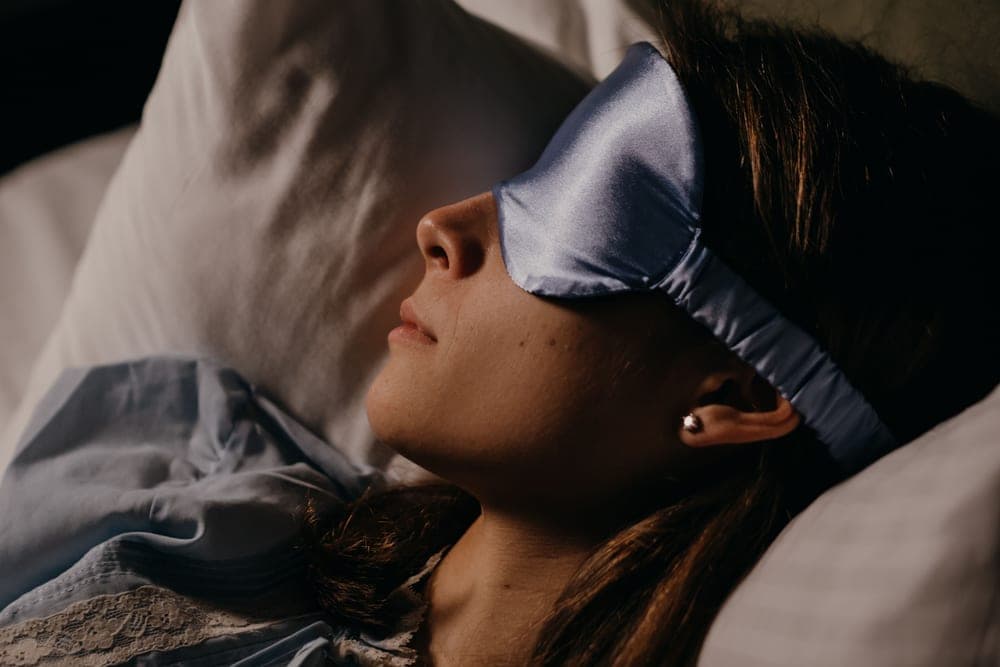 Nidra Deep Rest Sleep MaskMolded eye cups with slim side panels - it keeps the no-pressure benefit of a contoured mask without the depth that ruins side sleeping. | Side sleepers who still want contoured blackout | Molded cups with deliberately slim side panels |
We have no live price feed for this site yet, so every button reads “Check price on Amazon” rather than showing a number that could be out of date. As an Amazon Associate we earn from qualifying purchases.
Our top pick · The cheapest mask genuinely worth owning
1. Alaska Bear Natural Silk Sleep Mask
A flat silk mask that costs less than lunch and blocks a surprising amount of light - the honest default before you spend more.
- Material:
- Natural mulberry silk shell
- Profile:
- Flat - sits against the face
- Strap:
- Elasticated, adjustable
- Packability:
- Folds to nothing
What it gets right
- Almost nothing to feel against a pillow, so side sleepers get on with it
- Silk is kinder to skin and lashes than a foam contact surface
- Cheap enough to keep a spare in a bag
Where it falls short
- Flat masks touch the eyelid, so you cannot open your eyes underneath
- Light leaks around the nose on most faces
- Silk stains and is easily damaged in a hot wash
Skip it if: You need genuine blackout for daytime sleep. A flat mask will not get you there.
Pick 2 · Side sleepers who still want contoured blackout
2. Nidra Deep Rest Sleep Mask
Molded eye cups with slim side panels - it keeps the no-pressure benefit of a contoured mask without the depth that ruins side sleeping.
- Construction:
- Molded contoured cups
- Side panels:
- Slim, for pillow contact
- Eye pressure:
- None - the cups clear the lashes
- Strap:
- Adjustable
What it gets right
- The best blackout-to-bulk ratio in this roundup
- Cheap relative to the premium contoured masks
- Lash clearance is real, which matters if you wear eye makeup or lash extensions
Where it falls short
- Less adjustable than a modular mask - the fit is the fit
- Nose-bridge sealing depends on your face shape
- Fabric wears faster than the premium options
Skip it if: Your light leak is at a high nose bridge. Buy adjustable cups instead.
Questions people actually ask
Are sleep masks worth it?
For most people, yes. It is the cheapest genuinely effective sleep purchase available, and it targets a variable that matters - the 2022 PLOS Biology consensus recommendations suggest under about 1 melanopic lux at the eye during sleep, which almost no bedroom achieves.
Why do I sleep better with a sleep mask?
Because light is the main signal your body clock uses to decide what time it is, and even dim light has measurable effects - Harvard Health notes circadian effects at around 8 lux, dimmer than most table lamps. A mask gets you closer to genuine darkness than most bedrooms manage.
Are sleep masks comfortable?
The right one is; the wrong one is why people give up. The three failure modes are light leaking at the nose, the mask pressing on your eyelids, and a deep mask being unbearable to lie on if you sleep on your side. Each has a mask that solves it.
How do I know if a sleep mask will help me?
Try one night with a folded dark t-shirt over your eyes. It is a bad mask, but if even that crude version helps, a real one will help more - and if it changes nothing, light was not your problem and you have saved the purchase.
Do sleep masks help you fall asleep faster?
If light was contributing to keeping you awake, removing it helps. If your problem is a racing mind, a snoring partner or insufficient time in bed, a mask does not touch any of that.
Sources
Back to the best sleep masks.
Read next
- Best sleep masks, overallThe five picks and the three mask shapes.Read it
- Sleep mask vs blackout curtainsWhich to spend on first.Read it
- How to make a bedroom dark for sleepingThe free changes worth doing alongside.Read it
- Best sleep masks for side sleepersIf the first mask you tried was unbearable.Read it