
How this page is funded: we earn a commission if you buy through the links below, at no extra cost to you. As an Amazon Associate we earn from qualifying purchases. It does not change which products we pick or the order they appear in. Full disclosure.
How these picks were made: by comparing published specifications and clearly-credited public reporting. We do not run a laboratory, we have not measured these products, and we do not claim to have slept with them. Here is exactly how we choose.
What it is: a sleep mask built from two molded eye cups attached to a hook-and-loop band, so each cup can be moved horizontally and independently until it seals on your face. Who it is for: back sleepers who need genuine darkness and have been let down by fixed-shape masks.
The problem it actually solves
Every fixed-shape sleep mask is designed around an average face - an average nose bridge height, an average distance between the eyes, an average cheekbone angle. If your face matches, the mask seals. If it does not, light comes in at the nose and no amount of fabric opacity helps.
The Manta’s answer is to stop assuming. Because each cup detaches and repositions on the band, you slide them inwards or outwards until they sit where your eye sockets actually are. It takes a few nights of fiddling and then it is set, and the result is the best nose-bridge seal of anything we compared.
The second thing it solves: nothing touches your eyelids. The cups arch over the socket and seal against the bone around it, so you can open your eyes and blink under the mask. That matters for lash extensions, for sleeping in contacts, and for anyone who finds a flat mask uncomfortable against the eye - see the dry-eyes page.
Where it falls short
- It is deep, and side sleeping is a problem. This is the headline drawback and Manta does not really hide it - public reporting consistently describes it as suiting a still back sleeper and reading as bulky for side sleepers. The cups stand well off the face, so a pillow presses them back into your eye sockets. If you sleep on your side, this is the wrong mask.
- Fitting it takes patience. The adjustability that makes it good also means it does not work properly out of the box. Expect a few nights of moving the cups a few millimeters at a time.
- Price. It is at the top of the category, and the mask it beats most decisively costs about a tenth as much - which is a comparison worth reading before you buy.
- It is bulky to pack. Takes real space and does not like being crushed. Not our travel pick.
- Hook-and-loop is loud and catches. On hair, on bedding, and audibly when you adjust it in the night.
Who should buy it
- Back sleepers who need genuine blackout
- Anyone who has tried fixed masks and always gets a glow at the nose
- People who wear lash extensions or sleep in contact lenses
- Day sleepers, alongside a properly darkened room - see the night-shift setup
Who should not
- Side sleepers. The single clearest recommendation on this page.
- Travelers, unless the trip is about hotel rooms rather than planes
- Anyone buying their first mask. Find out whether light is your problem with a cheap one first.
Alternatives
- A slim contoured mask - molded cups and no eyelid contact, with side panels thin enough to lie on. The compromise most readers should actually make.
- Alaska Bear silk - a tenth of the price, better for side sleeping and travel, worse blackout.
- A dense contoured foam mask - comparable blackout for less money, without the adjustability.
Verdict
The best mask we cover, for a specific person: a back sleeper who needs real darkness and whose face does not match what fixed masks assume. For that person nothing else comes close, and the price is justified by a fit no other design offers.
For everyone else, particularly side sleepers, the depth that makes it work is the thing that will make you stop wearing it. A mask in a drawer blocks no light at all.
The Manta and the two masks you would weigh against it
Tap any row to jump to the full write-up. The photographs are licensed stock images chosen to illustrate the category - they are not photographs of these specific products, and each one’s alt text describes what is actually shown.
| # | Product | Best for | The spec that decides it | Price |
|---|---|---|---|---|
| 1 | 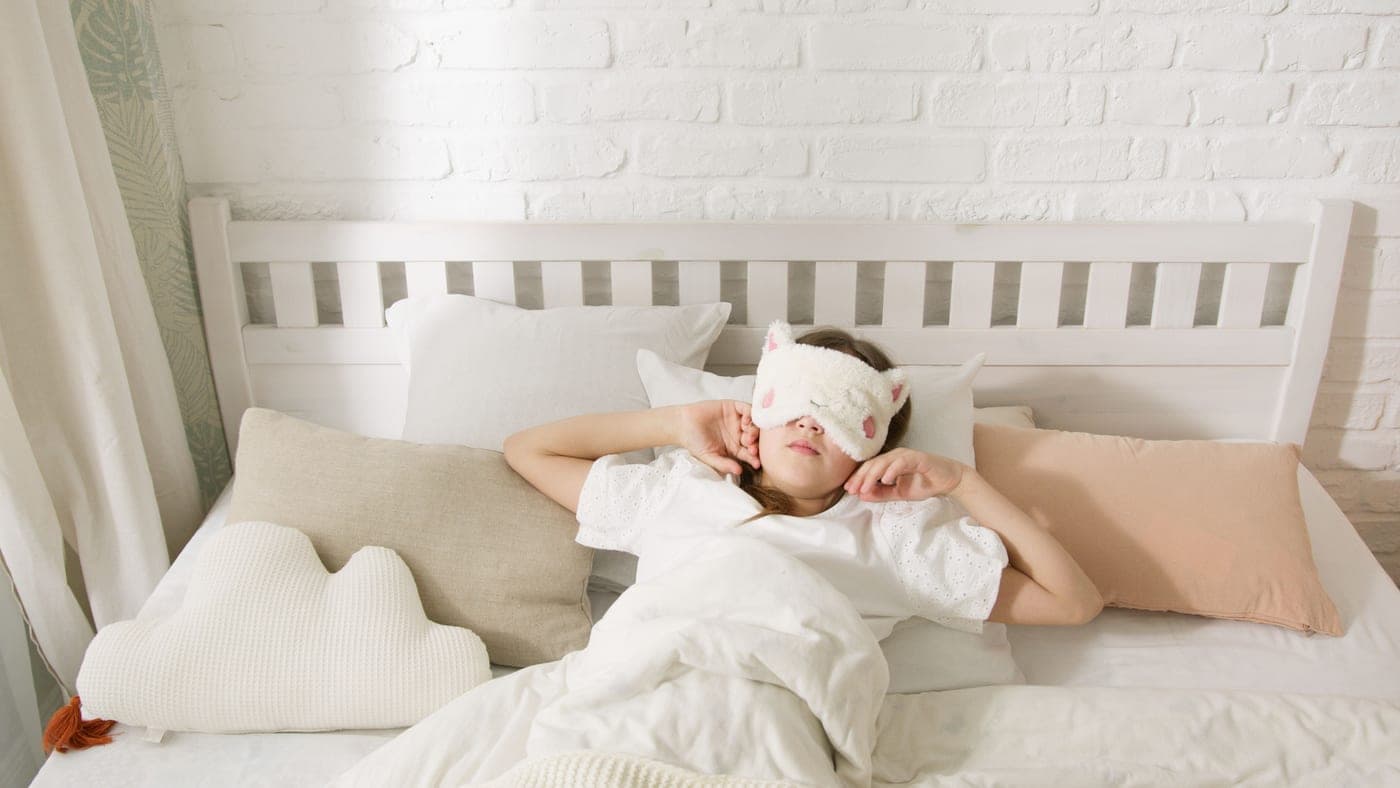 Manta Sleep Mask ProThe most adjustable mask in the category: the eye cups move independently, so you can seal a nose bridge that defeats every one-piece mask. | Total blackout on a back sleeper | Independently repositionable eye cups, zero eye pressure | |
| 2 | 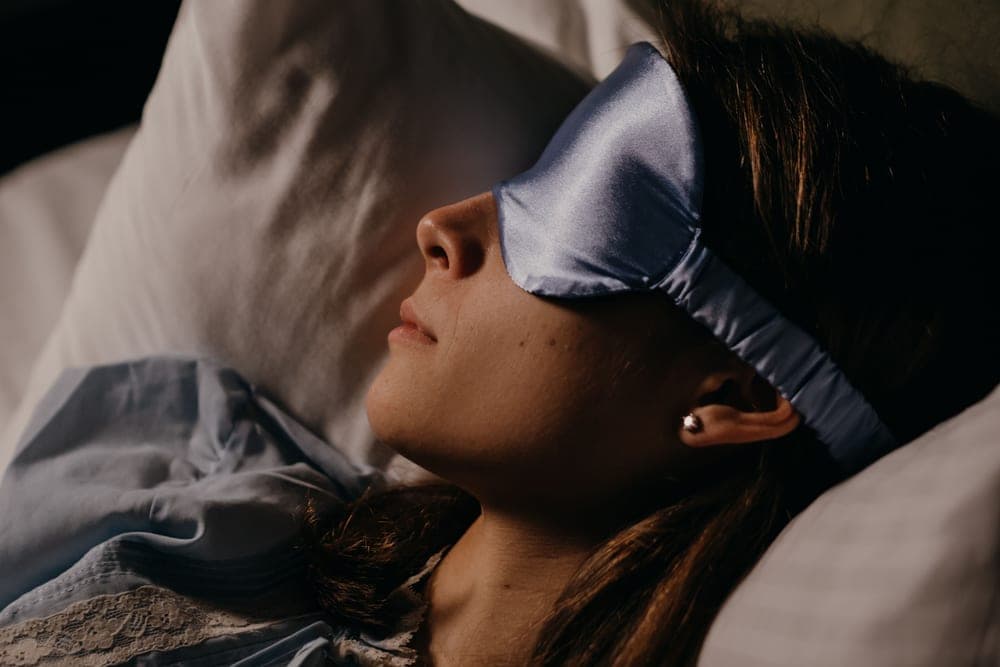 Nidra Deep Rest Sleep MaskMolded eye cups with slim side panels - it keeps the no-pressure benefit of a contoured mask without the depth that ruins side sleeping. | Side sleepers who still want contoured blackout | Molded cups with deliberately slim side panels | |
| 3 |  Alaska Bear Natural Silk Sleep MaskA flat silk mask that costs less than lunch and blocks a surprising amount of light - the honest default before you spend more. | The cheapest mask genuinely worth owning | Flat mulberry silk, no cups, no bulk |
We have no live price feed for this site yet, so every button reads “Check price on Amazon” rather than showing a number that could be out of date. As an Amazon Associate we earn from qualifying purchases.
Our top pick · Total blackout on a back sleeper
1. Manta Sleep Mask Pro
The most adjustable mask in the category: the eye cups move independently, so you can seal a nose bridge that defeats every one-piece mask.
- Construction:
- Modular cups on a hook-and-loop band
- Eye pressure:
- None - the cups arch over the eye socket
- Adjustment:
- Cups reposition horizontally to match your face
- Strap:
- Wide adjustable band
What it gets right
- Seals light at the nose bridge better than any fixed-shape mask once fitted
- No contact with the eyelid, so you can blink freely and sleep in contacts
- Cups and band are replaceable, so the mask outlives its fabric
Where it falls short
- The deepest profile here - the cups stand well off the face
- Fitting it correctly takes a few nights of adjustment
- Premium price
Skip it if: You sleep strictly on your side. The cups press into the pillow and then into your face.
Pick 2 · Side sleepers who still want contoured blackout
2. Nidra Deep Rest Sleep Mask
Molded eye cups with slim side panels - it keeps the no-pressure benefit of a contoured mask without the depth that ruins side sleeping.
- Construction:
- Molded contoured cups
- Side panels:
- Slim, for pillow contact
- Eye pressure:
- None - the cups clear the lashes
- Strap:
- Adjustable
What it gets right
- The best blackout-to-bulk ratio in this roundup
- Cheap relative to the premium contoured masks
- Lash clearance is real, which matters if you wear eye makeup or lash extensions
Where it falls short
- Less adjustable than a modular mask - the fit is the fit
- Nose-bridge sealing depends on your face shape
- Fabric wears faster than the premium options
Skip it if: Your light leak is at a high nose bridge. Buy adjustable cups instead.
Pick 3 · The cheapest mask genuinely worth owning
3. Alaska Bear Natural Silk Sleep Mask
A flat silk mask that costs less than lunch and blocks a surprising amount of light - the honest default before you spend more.
- Material:
- Natural mulberry silk shell
- Profile:
- Flat - sits against the face
- Strap:
- Elasticated, adjustable
- Packability:
- Folds to nothing
What it gets right
- Almost nothing to feel against a pillow, so side sleepers get on with it
- Silk is kinder to skin and lashes than a foam contact surface
- Cheap enough to keep a spare in a bag
Where it falls short
- Flat masks touch the eyelid, so you cannot open your eyes underneath
- Light leaks around the nose on most faces
- Silk stains and is easily damaged in a hot wash
Skip it if: You need genuine blackout for daytime sleep. A flat mask will not get you there.
Questions people actually ask
Is the Manta sleep mask worth it?
For a back sleeper who needs genuine blackout and has been let down by fixed-shape masks, yes - the repositionable cups seal a nose bridge nothing else adapts to. For a side sleeper, no: the depth that produces the blackout is the depth a pillow presses back into your face.
Does the Manta sleep mask work for side sleepers?
Not well, and Manta does not really pretend otherwise. Public reporting consistently describes it as suiting a still back sleeper and reading as bulky for side sleepers. A contoured mask with slim side panels is the better answer.
How do you adjust a Manta sleep mask?
The cups detach from the hook-and-loop band and reposition horizontally, so you slide them inwards or outwards until they sit over your eye sockets and seal at the nose. Expect a few nights of small adjustments before it is right - it does not work properly straight out of the box.
Can you wear contact lenses with a Manta sleep mask?
The cups arch over the eye socket so nothing touches your eyelids, and you can blink freely underneath. Whether to sleep in lenses at all is a question for your optometrist rather than for us.
Is the Manta good for travel?
Not especially. It takes real space in a bag, does not like being crushed, and the hook-and-loop band catches on things. An oversized silk mask is the better travel choice.
Sources
Back to the best sleep masks.