
How this page is funded: we earn a commission if you buy through the links below, at no extra cost to you. As an Amazon Associate we earn from qualifying purchases. It does not change which products we pick or the order they appear in. Full disclosure.
How these picks were made: by comparing published specifications and clearly-credited public reporting. We do not run a laboratory, we have not measured these products, and we do not claim to have slept with them. Here is exactly how we choose.
Short version: the Loop Quiet 2 is the right plug if your problem is ordinary bedroom noise and your real complaint is that foam hurts when your ear is against a pillow. It is the wrong plug if your problem is loud snoring or a busy road, because Loop’s own US listing rates it at 14 dB NRR, and a drugstore foam plug is rated at 33. The comfort is real, the reusability is real, and the blocking is modest by design. Buy it for the body shape, not for the attenuation.
A note on what this is. We have not slept in these, we own no sound-level meter, and we assign no scores or star ratings to anything - the method is on how we choose what to recommend. What follows is a close read of what Loop publishes, set against the rest of the category and against the problem you are probably trying to solve.
Start with the number, because it is not the one you have seen
Almost every roundup that features this plug quotes 24 dB. That figure is real, but it is not the figure a US buyer should be using. Loop publishes the Quiet 2 as 24 dB SNR on its international store and as 14 dB NRR on its US one. Same plug, same silicone, two different laboratory standards - and ten points apart.
SNR is the European Single Number Rating. NRR is the US Noise Reduction Rating. They are measured differently and SNR reads higher for the same product, so the two numbers can never be compared directly. This matters because the plug the Quiet 2 is most often compared against is Mack’s Ultra Soft foam, rated NRR 33. Put the two on the same scale and the honest comparison is 33 against 14, not 33 against 24. That is a much bigger gap than most write-ups imply, and it is the single most useful thing to know before you buy.
Both figures are also laboratory numbers obtained with a textbook fit. NIOSH recommends derating published hearing-protector ratings for real-world use, because nobody seats a plug in bed the way a technician does in a test booth. Treat 14 as a ceiling rather than a promise.
What NRR 14 actually handles
Modest attenuation is not useless attenuation. It is well matched to a specific and extremely common set of problems:
- A partner who turns over, sighs, or reads with a lamp on. Intermittent, mid-volume, high-frequency noise. This is where a low-rated plug performs best, because passive sealing works best on exactly those frequencies.
- Hallway and corridor noise. Doors, footsteps, a television through a wall. The Quiet 2 takes the edge off these reliably.
- Your own thoughts in a quiet room. Plenty of people wear plugs for the psychological boundary rather than for decibels, and for that purpose the rating is irrelevant.
Where it struggles is low frequency, and the biggest low-frequency problem in a bedroom is snoring. Passive plugs of any material are weakest down there, and a 14 dB plug has the least margin of all. If that is your situation, the honest answer is on best earplugs for snoring, and the broader options are on what to do when your partner snores and you cannot sleep.
The body shape is the actual product
The reason this plug has the following it has is not the rating - it is the profile. The Quiet 2 is a soft-touch silicone body that sits close to the concha, with a flexible loop rather than a rigid stem. When your ear is pressed into a pillow, a foam plug that has expanded to fill the canal has nowhere to go and transmits that pressure straight into the canal wall. A low-profile silicone plug deforms instead.
That is the whole trade. You give up blocking and you get a plug you can lie on. For a side sleeper who wears plugs every night, that is frequently the difference between using them and abandoning them in a drawer, which is why it sits on our earplugs for side sleepers shortlist and on earplugs that don’t hurt.
Four tip sizes, and why that is the specification that matters most
Loop ships the Quiet 2 with four pairs of silicone ear tips - XS, S, M and L - plus a keychain carry case. Four sizes is more than most reusable plugs include and it is the feature doing the heaviest lifting on this product, because a passive plug that does not seal does not attenuate at all. A plug rated NRR 14 that is properly seated outperforms an NRR 33 plug that is sitting loose in the outer ear.
Work down rather than up. Most people reach for the size that goes in easily, and that is usually one size too small. The right tip is the largest one you can seat without discomfort, and you should hear your own voice go boomy once it is in. If none of the four seal, that is the signal to look at a different format entirely - foam versus silicone earplugs lays out which material suits which ear.
Living with them
- Reusable, and the running cost is the point. Loop describes them as reusable and easy to clean. Against a foam plug you replace every few nights, a washable silicone plug pays for itself over a year of nightly use - and generates far less waste.
- Hygiene is a real commitment. Anything that sits in your ear canal nightly needs washing, and the tips should be replaced when they stop feeling tacky-clean. We have written separately on whether it is bad to sleep with earplugs every night.
- They are easy to lose, and the case helps. Silicone plugs work loose over an eight-hour night more often than well-seated foam does. The keychain case is not a gimmick if you travel with them.
- Returns. Loop’s US store publishes a 100-day returns window, which is unusually long for a product you cannot try before buying. Fit is the main failure mode here, so that window is worth more than it looks.
You will probably still hear your alarm
This is an underrated advantage of a low-rated plug. At NRR 33 a foam plug very plausibly takes your alarm with it; at NRR 14 a standard phone or clock alarm generally still gets through. If waking up reliably is a hard requirement - shift work, small children, a smoke detector you need to hear - the lower rating is a feature rather than a compromise. The full treatment is on earplugs that still let you hear your alarm.
Against the two plugs it is usually compared with
| Plug | Published rating | What you are buying |
|---|---|---|
| Loop Quiet 2 | 14 dB NRR / 24 dB SNR | Low profile, washable, four tip sizes, lowest running cost |
| Mack’s Ultra Soft Foam | 33 dB NRR | Maximum blocking for the least money; disposable |
| Loop Dream | 21 dB NRR / 27 dB SNR | Loop’s bedtime-specific plug: softer body, memory-foam tips |
The internal comparison is the one most people get wrong. If you like the Loop format and you want more blocking, the answer is not to buy the Quiet 2 and hope - it is the Dream, which Loop rates at 21 dB NRR and builds around oval memory-foam tips. T3’s reviewer, testing it as a side sleeper, describes it as passive muffling rather than cancellation, which is the right expectation to carry into either plug. The Dream costs substantially more and its tips are a consumable.
And if the honest answer is that you want silence and do not care what it feels like, buy foam. We would rather say that than sell you the comfortable option: the full earplug roundup ranks the category on blocking first.
Who should not buy the Quiet 2
- Anyone fighting loud snoring. Fourteen decibels is not enough, and no tip size changes that. Active cancellation in an earbud, or a far higher foam rating, is the direction.
- Anyone on a busy road or under a flight path. Same reason. Low frequency, high volume, sustained.
- Anyone who has tried in-ear plugs and cannot tolerate them. A softer plug does not fix an intolerance to something sealed in the canal. A headband or a white noise machine that masks rather than blocks is the better direction.
- Anyone who loses small objects constantly. This is a real consideration at reusable-plug prices. Foam is cheap enough not to care.
The verdict
The Quiet 2 is a comfort product that happens to block some noise, and it is excellent at being that. Judged as a noise blocker it is mid-table at best, and the widely-repeated 24 dB figure has given it a reputation for more attenuation than a US buyer will actually get. Go in knowing the number is 14, match it to a noise problem that size of number can solve, and it is one of the few pieces of sleep gear with a genuinely low cost of ownership.
Packing for a trip rather than fixing a bedroom? The case and the washability make this the plug we would put in a bag - how to sleep in a hotel room covers the rest of the kit.
If the price or the silicone is the obstacle, Loop earplug alternatives matches each of Loop’s three selling points - reuse, sized tips and a low profile - to a cheaper plug, and names the one to try when silicone itself is the problem.
The Quiet 2, and the two plugs to weigh it against
Tap any row to jump to the full write-up. Each thumbnail is the product photograph from that item’s own Amazon listing, and the price in the last column is the one Amazon showed at the last check.
| # | Product | Best for | The spec that decides it | Price |
|---|---|---|---|---|
| 1 | 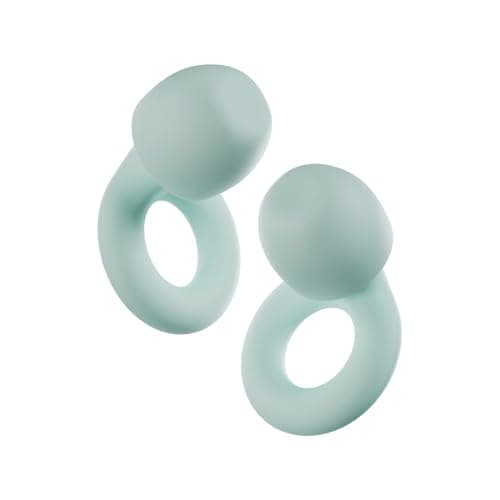 Loop Quiet 2Reusable silicone with a low profile that does not press back when your ear is against a pillow - you trade some blocking for that. | Side sleepers who reuse their plugs | 14 dB NRR / 24 dB SNR - lower than foam, and deliberately so | |
| 2 | 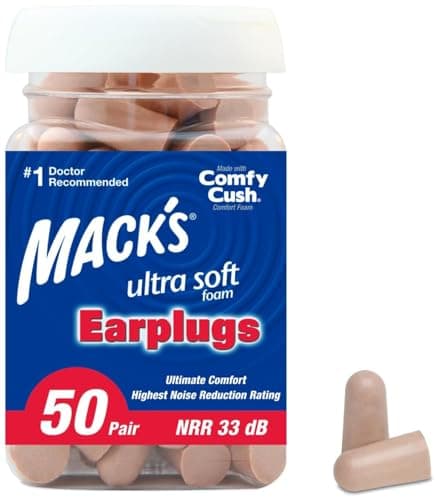 Mack's Ultra Soft Foam EarplugsThe highest-rated foam plug in common retail, at a price where losing one in the sheets does not matter. | Maximum blocking for the least money | NRR 33 dB - the highest rating in this roundup | |
| 3 | 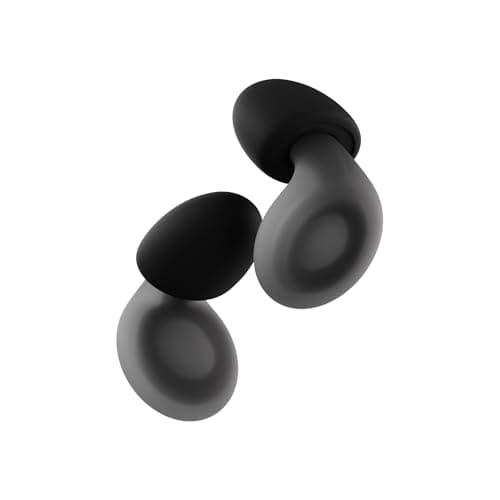 Loop DreamThe only plug here designed from scratch for bedtime rather than adapted to it - Loop's softest silicone, oval memory-foam tips and four tip sizes to get the seal right. | Side sleepers who want one plug and no compromises | 21 dB NRR / 27 dB SNR in a body shaped to be slept on |
Prices come straight from Amazon and are refreshed daily; the date they were checked is stamped under the buy buttons below. If a price has gone stale or a listing has no offer, the button falls back to “Check price on Amazon” rather than showing a number we cannot stand behind. As an Amazon Associate we earn from qualifying purchases.
The review subject first, then the plug that blocks far more for far less, and the one from the same brand that is built specifically for sleeping. Specifications are the manufacturers' own; we have not tested these.
#ad How we are funded · price as of November 12, 2026
Our top pick · Side sleepers who reuse their plugs
1. Loop Quiet 2
Reusable silicone with a low profile that does not press back when your ear is against a pillow - you trade some blocking for that.
- Rating:
- 14 dB NRR, 24 dB SNR (manufacturer figures - the same plug under the US and European standards)
- Material:
- Reusable silicone
- Fit:
- Multiple ear-tip sizes included
- Care:
- Washable, reused for months
What it gets right
- The low profile is the reason side sleepers stick with these
- Washable and reusable, so the running cost is near zero
- Multiple tip sizes solve the fit problem foam plugs create
Where it falls short
- 14 dB NRR is meaningfully less blocking than a 33 dB foam plug
- Higher up-front cost than a year of foam
- Silicone can work loose over a long night
Skip it if: Your problem is loud, low-frequency snoring. You want the foam number, not the comfort number.
#ad How we are funded · price as of November 12, 2026
Pick 2 · Maximum blocking for the least money
2. Mack's Ultra Soft Foam Earplugs
The highest-rated foam plug in common retail, at a price where losing one in the sheets does not matter.
- Rating:
- NRR 33 dB (manufacturer figure)
- Material:
- Slow-recovery polyurethane foam
- Reuse:
- A few nights each, then discard
- Sold as:
- Bulk packs
What it gets right
- Nothing in common retail blocks more
- Cheap enough to replace constantly, which is also more hygienic
- The soft compound is tolerable for side sleepers once compressed correctly
Where it falls short
- Only works if you roll and insert them properly - most complaints are fit, not product
- Disposable, so there is an ongoing cost and ongoing waste
- At 33 dB you will very likely sleep through a standard alarm
Skip it if: You have to hear an alarm, a child, or a smoke detector. This is the wrong tool for that night.
#ad How we are funded · price as of November 12, 2026
Pick 3 · Side sleepers who want one plug and no compromises
3. Loop Dream
The only plug here designed from scratch for bedtime rather than adapted to it - Loop's softest silicone, oval memory-foam tips and four tip sizes to get the seal right.
- Rating:
- 21 dB NRR, 27 dB SNR (manufacturer figures)
- Material:
- Soft silicone body, foam-silicone hybrid tips
- Fit:
- Four tip sizes XS-L, plus four Double Tip sizes
- Care:
- Reusable; tips are a consumable and get replaced
What it gets right
- Low-profile body in Loop's softest compound - the pressure point most side sleepers complain about is the one thing it was designed around
- Oval memory-foam tips expand into the ear canal rather than pushing back against it
- Eight tip pieces in the box, which is the difference between a plug that seals and one that falls out
Where it falls short
- The most expensive plug on this page by a wide margin
- 21 dB NRR is low - a foam plug blocks meaningfully more, and T3's reviewer notes this is passive muffling with no active cancellation
- Memory-foam tips are a recurring cost once they stop recovering their shape
Skip it if: You want maximum blocking for the least money. A foam plug beats it on raw attenuation for a few dollars.
Questions people actually ask
What is the NRR of the Loop Quiet 2?
Loop's US store publishes 14 dB NRR. Its international store publishes 24 dB SNR for the same plug, because SNR is the European standard and reads higher than the US NRR. If you are comparing against American foam plugs rated NRR 33, use the 14 figure - comparing 33 NRR against 24 SNR is comparing two different measurements.
Are Loop Quiet 2 good for sleeping?
For ordinary bedroom noise and for side sleepers who find foam painful against a pillow, yes - the low-profile silicone body is the reason people stick with them. For loud snoring or street noise they are underpowered, because 14 dB NRR leaves very little margin at low frequencies.
Loop Quiet 2 or Loop Dream for sleeping?
The Dream, if you want more blocking in the same format: Loop rates it at 21 dB NRR against the Quiet 2's 14, and it uses oval memory-foam tips designed for bedtime. The Quiet 2 is the cheaper, simpler plug with a lower running cost, since the Dream's tips are a consumable.
Will I hear my alarm with Loop Quiet 2 in?
Usually yes, and that is a genuine advantage of the low rating. A standard phone or clock alarm generally gets through 14 dB in a way it often does not through an NRR 33 foam plug. If waking reliably is critical, test it on a weekend before you depend on it.
How do you clean Loop Quiet 2 earplugs?
Loop describes them as reusable and easy to clean - wash the body and the silicone tips, dry them fully, and store them in the carry case rather than loose in a bag. Replace the tips when they lose their soft, grippy feel, because a tip that has hardened no longer seals and a plug that does not seal blocks nothing.
What size Loop ear tips should I use?
The largest of the four included sizes that you can seat without discomfort. Most people pick one size too small because it goes in easily. You should hear your own voice go muffled and boomy once the tip is seated properly - if that does not happen, go up a size.
Sources
- Loop (US store) - Quiet 2 earplugs (manufacturer specifications: 14 dB NRR, soft-touch silicone, four ear-tip sizes XS to L, keychain carry case, 100-day returns).
- Loop (international store) - Quiet 2 earplugs, published as 24 dB SNR: the same plug rated under the European standard rather than the US one.
- Loop - Dream earplugs for sleeping (manufacturer specifications).
- T3 - Loop Dream review: super soft earplugs to help you snooze soundly, even if you are a side sleeper.
- Mack's - Ear Plugs for Sleeping (manufacturer specifications).
- NIOSH - Criteria for a Recommended Standard: Occupational Noise Exposure (DHHS/NIOSH 98-126), hearing protector NRR derating recommendation.
- NIDCD (National Institute on Deafness and Other Communication Disorders, NIH) - Noise-Induced Hearing Loss.
Back to the best white noise machines.
Read next
- Best earplugs for sleepingThe whole category, ranked on blocking first.Read it
- Best earplugs for side sleepersWhere the Quiet 2's low profile earns its place.Read it
- Foam vs silicone earplugsThe material decision behind this whole review.Read it
- Earplugs that still let you hear your alarmWhy a lower rating is sometimes the right buy.Read it
 Can't sleep in hotel roomsThe travel kit this plug belongs in.Read it