

How this page is funded: we earn a commission if you buy through the links below, at no extra cost to you. As an Amazon Associate we earn from qualifying purchases. It does not change which products we pick or the order they appear in. Full disclosure.
How these picks were made: by comparing published specifications and clearly-credited public reporting. We do not run a laboratory, we have not measured these products, and we do not claim to have slept with them. Here is exactly how we choose.
Short version: the Loop Dream is the pick if you want one plug that was designed for this exact problem and you can live with the price. If you want the flattest thing that exists, Mack’s Pillow Soft putty covers the ear opening instead of going into it, so there is nothing for the pillow to press on at all. If you want the most blocking a side sleeper can reasonably tolerate, the Slim Fit foam is the narrow-barrel version of the standard plug.
Almost every earplug roundup ranks on noise reduction, because noise reduction is the number printed on the packet. For a side sleeper that is the wrong first question. You are not failing because your plugs do not block enough; you are failing because at 2am there is a hard object between your ear canal and a mattress, and your own body weight is driving it inward. Blocking is the second criterion here. The first is how much of the plug is left sticking out.
Why side sleeping breaks earplugs
An earplug that feels fine when you put it in is being judged in the easiest possible condition: upright, unloaded, and for about four seconds. Lie down on that ear and three things change at once.
- The pillow pushes the plug deeper. Anything protruding becomes a lever. The force is small but it is constant, and it is applied for hours rather than minutes.
- The ear itself gets folded. Your outer ear is cartilage, and on a firm pillow it bends. A plug sitting in a canal that is being deformed around it is a different fit from the one you tested.
- Nothing gets a break. Pressure that is unnoticeable in the first ten minutes is the thing that wakes you at 3am with a dull ache you cannot immediately place.
This is why so many people conclude that earplugs do not work for them and go back to losing the argument with a snoring partner. The usual failure is not the product category. It is a plug chosen on the wrong spec.
The spec that decides it: profile and fit family
Sleep earplugs fall into three fit families, and the family matters more than the brand. Work out which one suits your ear before you compare anything else.
| Fit family | How it sits | Side-sleeper verdict |
|---|---|---|
| Compressible foam | Rolled thin, inserted deep, expands against the canal wall | Blocks the most; the most plug inside the ear you are lying on |
| Shallow-seal silicone or TPE | A tip seals the canal entrance; a short body sits in the bowl | The usual sweet spot - low profile, moderate blocking |
| Moldable putty | Flattened over the opening, never inserted | Flattest of all; the least blocking and the messiest |
The practical rule: if your complaint is pain or pressure, move down the table. If your complaint is that you can still hear the noise, move up it. Most people who have given up on earplugs are in the top row and belong in the middle one.
Stem and body height is the measurement that does the work, and it is the one manufacturers mention least. Happy Ears is unusual in publishing it - the company quotes a soft stem under 1 cm, which is roughly the point at which a plug stops meeting the pillow before your ear does.
What the noise rating is actually worth
Two different numbers appear on earplug packaging and they are not interchangeable. NRR is the US rating. SNR is the European one. They are produced by different test methods, so an SNR of 27 and an NRR of 27 do not describe the same amount of blocking, and nobody should convert between them with a rule of thumb. The Loop Dream carries both: 21 dB NRR and 27 dB SNR for the same product, which tells you most of what you need to know about comparing across standards.
More importantly, both are laboratory figures obtained under ideal fitting. The gap between that and real life is large enough that NIOSH formally recommends discounting it. In its Criteria for a Recommended Standard on occupational noise exposure, NIOSH recommends derating the labeled NRR by 25 percent for earmuffs, 50 percent for slow-recovery formable earplugs, and 70 percent for all other earplugs.
That is workplace guidance about eight-hour noise exposure, not a prediction about your bedroom, and we are not going to pretend otherwise. But the direction of it is the useful part, and it points somewhere uncomfortable for this page: the derating is harshest on exactly the non-foam plugs that side sleepers find comfortable. A quietly stated consequence follows. If you move from a deep foam plug to a shallow silicone one for comfort, you are giving up more real-world blocking than the gap between the two printed numbers suggests.
We think that trade is usually still worth making, because a plug you remove at 2am blocks nothing at all. But it is a trade, and a roundup that tells you a comfortable plug blocks almost as much as foam is flattering you.
How we chose
We started from earplugs currently sold in the US with published specifications, then ranked them against the criteria below, in this order.
- Profile against a pillow. How much of the plug remains outside the ear, and how soft that part is. First criterion, every time.
- Fit range. Ear canals vary enormously and most reported discomfort is a sizing failure. A product shipping four tip sizes is solving a different problem from one shipping a single size.
- Published rating, stated honestly. We report the manufacturer’s NRR or SNR as published, name which standard it is, and do not convert between them.
- Running cost. Disposable foam, five-use putty and a reusable plug rated for a year of nightly use are three very different ongoing costs for the same job.
- Whether you can still be woken. A plug that blocks a smoke alarm is not a better product, it is a different and more serious decision.
We have not slept in these, we do not own an acoustic test rig, and we assign no scores or star ratings to anything. What we can do is read the specifications carefully, say which number came from where, and be clear about what each pick gives up. Our full method is on how we choose what to recommend.
The fitting mistakes that cause most of the pain
Before you buy anything, it is worth knowing that a large share of side-sleeper complaints are fit errors rather than product faults.
- Foam that was not rolled thin enough. A foam plug has to be compressed to about the width of a pencil lead and inserted while it is still thin. Pushed in half-expanded, it sits too shallow, protrudes, and then the pillow drives it in crookedly.
- Not pulling the ear. Reaching over your head and pulling the top of the ear up and back straightens the canal. It is the single highest-value thing you can change about your technique and it costs nothing.
- Pushing putty into the canal. Moldable silicone is designed to cover the opening. Mack’s says so in capital letters - do not insert into the ear canal - and people who insert it anyway generate a large share of the bad reviews.
- Using one size for both ears. Plenty of people are a medium in one ear and a small in the other. If a brand sells sizes separately, that is a feature worth using rather than a sales tactic.
The fixes that cost nothing
Two of these are worth trying before you spend anything, because they change the same variable the expensive plug does.
The first is the pillow. A firm pillow transmits load straight into the plug; a softer one lets your ear sink rather than fold. If you have a spare softer pillow in the house, swapping it for a week is a free test of whether your problem is really the earplug.
The second is which side you lie on. If one ear is consistently the painful one, that ear is probably the one taking your weight all night. Sleeping position changes which gear works for you across most of this site, and it is unusually true here.
The third option is not to block at all. If the noise waking you is intermittent rather than loud - a hallway door, a car outside, a partner turning over - a masking sound solves it without putting anything in your ear. The World Health Organization night-noise guidance puts the threshold associated with waking around the low 40s of decibels, and below that masking is usually the easier win. That is the whole argument on the white noise machine roundup.
What not to buy for this
- Standard true-wireless earbuds. They protrude far too much and become painful within about twenty minutes on a pillow. If you want audio, buds designed for sleeping sit far flatter.
- Corded industrial plugs. The cord is there so a worker does not lose them. In bed it tangles in hair and wakes you up.
- Hard-flanged reusable plugs. Triple-flange shooting plugs have a rigid stem and a rigid body. They are excellent and they are not for lying on.
- Anything bought purely on the biggest NRR. The highest number on the shelf is usually the deepest plug, which is the opposite of what this page is about - and it is also the one most likely to let you sleep through an alarm you needed to hear.
If no plug ever works for you
Some people cannot tolerate anything sealed in the ear canal, and no amount of sizing fixes it. That is a real outcome rather than a failure of technique, and there are two directions out of it. A headband with flat drivers puts nothing in your canal at all and can be slept on. Or you stop trying to block and start trying to mask, which is the cheaper and more reliable answer for most household noise.
If the noise you are fighting is a snoring partner, read the snoring page first. It is the hardest problem in this category, it is the reason most people arrive at earplugs, and masking alone does not usually carry you through the night.
The part nobody mentions
Anything worn in your ear every night for years is a hygiene commitment. Wash reusable plugs on the schedule the manufacturer gives, replace foam rather than stretching it over a fortnight, and give your ears an occasional night off. If you get persistent pain, discharge, ringing or any change in hearing, stop using them and speak to a clinician. That is a medical question and this is a gear site.
Five plugs you can actually lie on
Tap any row to jump to the full write-up. The photographs are licensed stock images chosen to illustrate the category - they are not photographs of these specific products, and each one’s alt text describes what is actually shown.
| # | Product | Best for | The spec that decides it | Price |
|---|---|---|---|---|
| 1 | 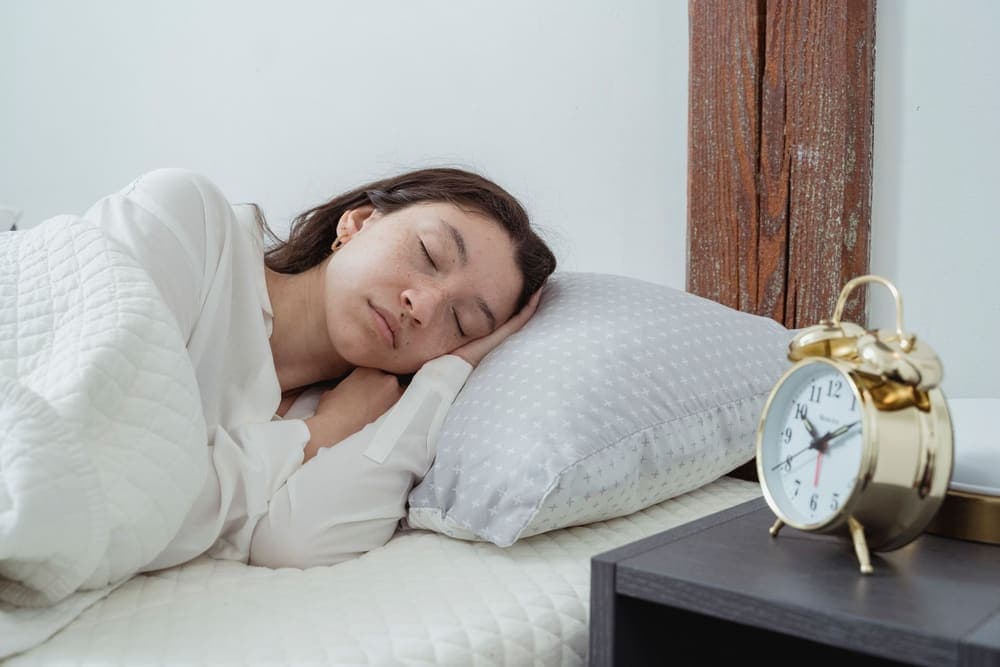 Loop DreamThe only plug here designed from scratch for bedtime rather than adapted to it - Loop's softest silicone, oval memory-foam tips and four tip sizes to get the seal right. | Side sleepers who want one plug and no compromises | 21 dB NRR / 27 dB SNR in a body shaped to be slept on | |
| 2 | 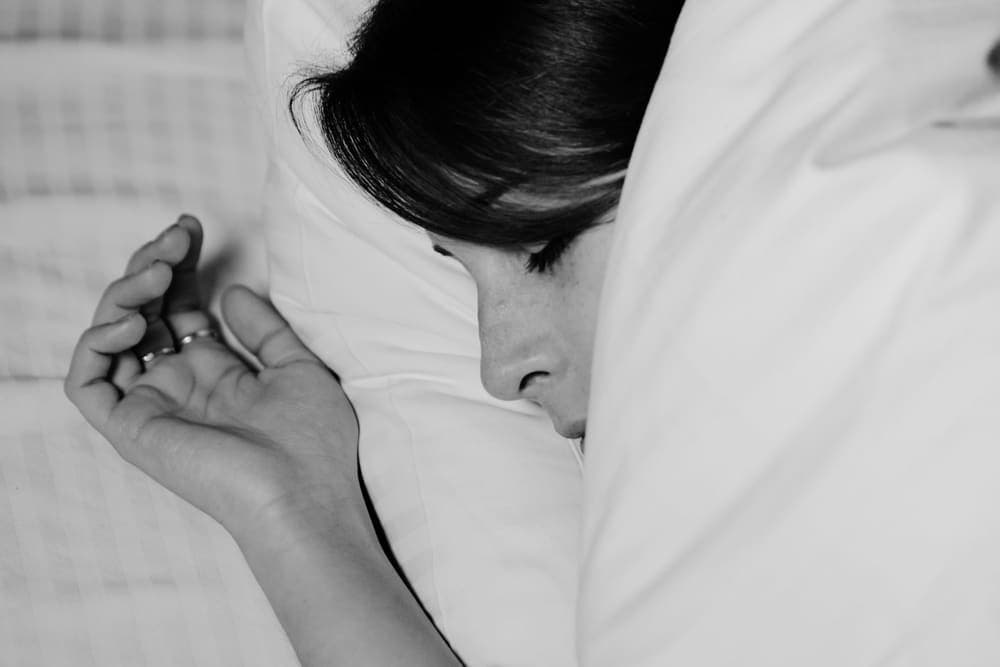 Mack's Pillow Soft Silicone Putty EarplugsMoldable silicone that covers the ear opening instead of going into the canal, so there is nothing inside your ear for the pillow to press on. | The flattest possible profile against a pillow | NRR 22 dB - and it is explicitly a cover, not an insert | |
| 3 |  Loop Quiet 2Reusable silicone with a low profile that does not press back when your ear is against a pillow - you trade some blocking for that. | Side sleepers who reuse their plugs | 24 dB SNR - lower than foam, and deliberately so | |
| 4 |  Mack's Slim Fit Soft Foam EarplugsA smaller-diameter version of the standard soft foam plug, which is exactly why it works for people whose ears ache in regular foam by 2am. | Small or sensitive ear canals that standard foam hurts | NRR 29 dB in a narrower barrel | |
| 5 |  Happy Ears (Original)A short-stemmed TPE plug sold in three sizes, for the case where the problem is not the material but that nothing has ever fit your ear properly. | Anyone who has tried foam and silicone and found both painful | A stem under 1 cm, so almost nothing meets the pillow |
We have no live price feed for this site yet, so every button reads “Check price on Amazon” rather than showing a number that could be out of date. As an Amazon Associate we earn from qualifying purchases.
Ranked by how little of the plug is left between your ear and the pillow, then by how much noise each one still stops. Every pick here is a real, currently-sold product; none has been tested by us, and the specifications are the manufacturers' own.
Our top pick · Side sleepers who want one plug and no compromises
1. Loop Dream
The only plug here designed from scratch for bedtime rather than adapted to it - Loop's softest silicone, oval memory-foam tips and four tip sizes to get the seal right.
- Rating:
- 21 dB NRR, 27 dB SNR (manufacturer figures)
- Material:
- Soft silicone body, foam-silicone hybrid tips
- Fit:
- Four tip sizes XS-L, plus four Double Tip sizes
- Care:
- Reusable; tips are a consumable and get replaced
What it gets right
- Low-profile body in Loop's softest compound - the pressure point most side sleepers complain about is the one thing it was designed around
- Oval memory-foam tips expand into the ear canal rather than pushing back against it
- Eight tip pieces in the box, which is the difference between a plug that seals and one that falls out
Where it falls short
- The most expensive plug on this page by a wide margin
- 21 dB NRR is low - a foam plug blocks meaningfully more, and T3's reviewer notes this is passive muffling with no active cancellation
- Memory-foam tips are a recurring cost once they stop recovering their shape
Skip it if: You want maximum blocking for the least money. A foam plug beats it on raw attenuation for a few dollars.
Pick 2 · The flattest possible profile against a pillow
2. Mack's Pillow Soft Silicone Putty Earplugs
Moldable silicone that covers the ear opening instead of going into the canal, so there is nothing inside your ear for the pillow to press on.
- Rating:
- NRR 22 dB (manufacturer figure)
- Material:
- Moldable, latex-free silicone putty
- Fit:
- Molded by hand to your own ear each time
- Reuse:
- Reused until dirty or no longer tacky - Mack's says up to five uses
What it gets right
- Nothing sits inside the canal, which removes the pressure problem rather than softening it
- Molds to an ear shape that no stock tip size matches
- The cheapest entry point here, and stocked in nearly every drugstore
Where it falls short
- Tacky silicone catches hair and can pull at it when you take them out
- Five uses per pair means an ongoing cost if you wear plugs nightly
- Must be worn over the opening, never pushed in - people who insert them anyway are the source of most complaints
Skip it if: You sleep with long hair loose, or you want something you can wash and reuse for months.
Pick 3 · Side sleepers who reuse their plugs
3. Loop Quiet 2
Reusable silicone with a low profile that does not press back when your ear is against a pillow - you trade some blocking for that.
- Rating:
- 24 dB SNR (manufacturer figure)
- Material:
- Reusable silicone
- Fit:
- Multiple ear-tip sizes included
- Care:
- Washable, reused for months
What it gets right
- The low profile is the reason side sleepers stick with these
- Washable and reusable, so the running cost is near zero
- Multiple tip sizes solve the fit problem foam plugs create
Where it falls short
- 24 dB is meaningfully less blocking than a 33 dB foam plug
- Higher up-front cost than a year of foam
- Silicone can work loose over a long night
Skip it if: Your problem is loud, low-frequency snoring. You want the foam number, not the comfort number.
Pick 4 · Small or sensitive ear canals that standard foam hurts
4. Mack's Slim Fit Soft Foam Earplugs
A smaller-diameter version of the standard soft foam plug, which is exactly why it works for people whose ears ache in regular foam by 2am.
- Rating:
- NRR 29 dB (manufacturer figure)
- Material:
- Ultra-soft polyurethane foam with a smooth skin
- Fit:
- Smaller diameter than standard foam plugs
- Reuse:
- A few nights each, then discard
What it gets right
- The most blocking on this page, by a clear margin
- The narrower barrel is the specific fix for canals that standard foam presses on
- Cheap enough per pair that losing one in the sheets is a non-event
Where it falls short
- Foam still has to be rolled and inserted deep, and a deep plug puts more of itself inside the ear you are lying on
- At 29 dB you may sleep through an alarm you need to hear
- Disposable, so there is a permanent running cost and ongoing waste
Skip it if: You have to hear an alarm, a child or a smoke detector. Nothing about a high NRR is a feature on that night.
Pick 5 · Anyone who has tried foam and silicone and found both painful
5. Happy Ears (Original)
A short-stemmed TPE plug sold in three sizes, for the case where the problem is not the material but that nothing has ever fit your ear properly.
- Rating:
- 25-27 dB SNR, CE EN 352 certified (manufacturer figures)
- Material:
- Medical-grade TPE shell on an ABS core
- Fit:
- Three sizes - small, medium, large
- Care:
- Washable and reusable; the manufacturer quotes about a year of nightly use
What it gets right
- The stem is the shortest here, and stem height is the measurement that decides pillow comfort
- Sizes are sold separately, so two differently-shaped ears can be fitted individually
- Washable and built to last a year, which changes the running-cost math against foam
Where it falls short
- Expensive for a reusable plug, and the discovery pack costs more again
- Three sizes is fewer options than the eight tip pieces Loop ships
- Sold mainly direct and through specialty retail, so availability is patchier than Mack's or Loop
Skip it if: You are fighting genuinely loud noise. An SNR in the mid-20s is a comfort-first number, not a blocking-first one.
Questions people actually ask
What kind of earplugs are best for side sleepers?
Shallow-seal silicone or TPE plugs are the usual answer, because they seal at the canal entrance and leave very little sticking out for the pillow to press on. Moldable silicone putty sits flatter still, since it covers the ear opening rather than going into it, but it blocks less. Deep foam plugs block the most and are the least comfortable to lie on.
Do earplugs hurt your ears when you sleep on your side?
They can, and the cause is usually pressure rather than the product. Lying on an ear turns anything protruding into a lever and applies that force for hours, and the outer ear folds around the plug on a firm pillow. A lower-profile plug, a correctly matched tip size and a softer pillow fix most cases.
Are silicone or foam earplugs better for side sleepers?
Silicone for comfort, foam for blocking. Foam goes deeper and blocks more, which is exactly why there is more of it inside the ear you are lying on. Silicone and TPE plugs seal shallower and sit lower, so they are what most side sleepers settle on once they have tried both.
Is a higher NRR always better for sleeping?
No. A higher NRR usually means a deeper plug, which is the wrong direction for a side sleeper, and a very high rating raises the real question of whether you will hear an alarm, a child or a smoke detector. NIOSH also recommends derating labeled ratings substantially - by 50 percent for slow-recovery formable earplugs and 70 percent for other earplugs - so the printed number overstates what you will get either way.
Why do my earplugs fall out when I sleep on my side?
Almost always a sizing problem. Ear canals vary more than people expect, and a tip that is slightly too small loses its seal as soon as your ear deforms against the pillow. Brands that ship several tip sizes, or sell sizes separately, exist precisely because of this.
Can you wear earplugs every night?
Many people do. Keep them clean, follow the manufacturer's replacement guidance rather than stretching disposables, and take an occasional night off. If you develop persistent pain, discharge, ringing or any change in hearing, stop and speak to a clinician.
Sources
- Loop - Dream earplugs for sleeping (manufacturer specifications).
- T3 - Loop Dream review: super soft earplugs to help you snooze soundly, even if you are a side sleeper.
- Mack's - Pillow Soft Silicone Putty Ear Plugs (manufacturer specifications and fitting instructions).
- Mack's Slim Fit Soft Foam Earplugs - manufacturer product listing and specifications.
- Happy Ears - Earplugs for Sleeping (manufacturer specifications).
- Mack's - Ear Plugs for Sleeping (manufacturer specifications).
- NIOSH - Criteria for a Recommended Standard: Occupational Noise Exposure (DHHS/NIOSH 98-126), hearing protector NRR derating recommendation.
- World Health Organization - Night Noise Guidelines for Europe.
Back to the best white noise machines.
Read next
- Best earplugs for sleepingThe general roundup, ranked on blocking rather than profile.Read it
- Earplugs that still let you hear your alarmThe question a high noise rating quietly creates.Read it
- Best sleep earbudsIf you want audio rather than silence, and still sleep on your side.Read it
- What your sleeping position means for the gear you buySide sleeping changes more purchases than this one.Read it
- Your partner snores and you can't sleepThe noise most people are actually buying earplugs to beat.Read it