
How this page is funded: we earn a commission if you buy through the links below, at no extra cost to you. As an Amazon Associate we earn from qualifying purchases. It does not change which products we pick or the order they appear in. Full disclosure.
How these picks were made: by comparing published specifications and clearly-credited public reporting. We do not run a laboratory, we have not measured these products, and we do not claim to have slept with them. Here is exactly how we choose.
Short answer: no, sleeping with earplugs every night is not bad for most people. There are three genuine downsides and they are worth managing rather than ignoring. One is earwax being pushed inward instead of migrating out. Two is irritation or infection from a dirty or over-inserted plug. Three has nothing to do with your ears at all: you will eventually sleep through something you needed to hear. Rotate clean plugs, insert them correctly rather than deeply, and have an alarm that does not rely on sound.
We should be straight about what kind of answer this is. We read specifications and public health guidance; we are not clinicians and nothing here is medical advice. What follows is the gear-side version: which risks are real, which are internet folklore, and what changes at the point of purchase. If you are still choosing plugs, start at best earplugs for sleeping or the comfort-first roundup.
Risk one: earwax that stops migrating out
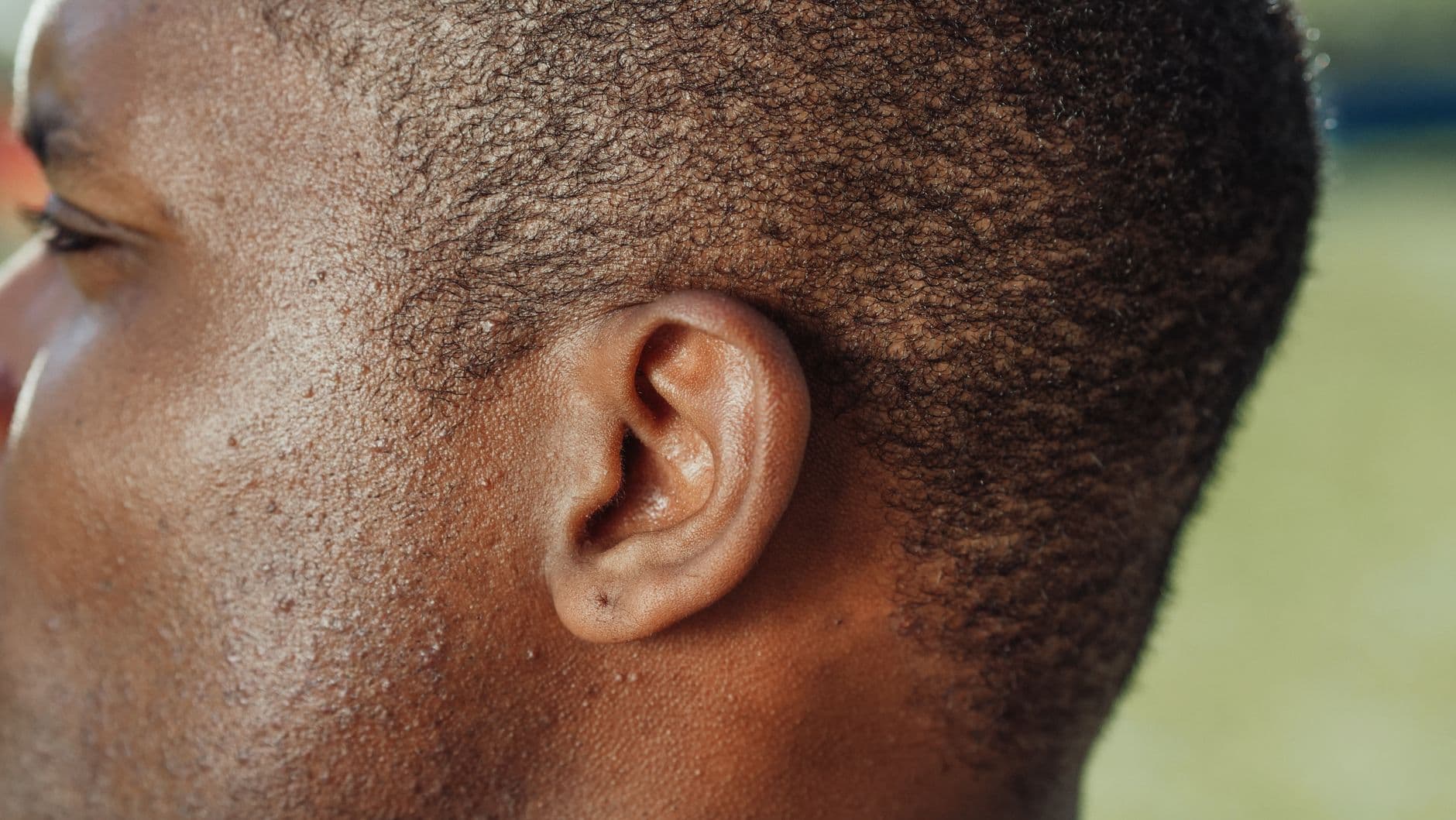
Ears are self-cleaning. Wax forms in the outer third of the canal and moves outward on its own, carrying debris with it - MedlinePlus describes exactly this process, and both it and the NHS guidance on earwax build-up are emphatic about not pushing objects into the canal to clean it.
A deeply inserted plug works against that migration. It is not that plugs create wax; it is that a plug pushed well past the entrance can pack what is already there inward, and impacted wax is what produces the blocked, muffled, sometimes itchy ear that sends people looking for this page in the first place.
Three things reduce it to near nothing:
- Insert correctly, not deeply. Seat the plug until it seals and stop. Foam needs real depth to hit its rating, which is one honest argument for a shallower reusable plug if you wear them nightly.
- Pick a shallow or cover-style plug. Mack’s Pillow Soft is explicit that it is worn over the opening and never pushed in - which sidesteps the whole mechanism.
- Take nights off when you can. If your noise problem is two nights a week, do not wear plugs seven.
And if your ear is already blocked, do not treat it with a cotton swab or an ear candle. That is what the NHS guidance is warning against, and it is a clinic question.
Risk two: irritation and infection from a dirty plug
A warm, moist canal with a reused foam plug in it is a reasonable place for bacteria to live. This is the risk that is entirely within your control and the one people most consistently get wrong, because foam plugs look fine long after they should have been thrown away.
Manufacturers publish the answer and almost nobody reads it. Mack’s rates Pillow Soft for about five uses per pair; foam plugs are a few nights each before the slow-recovery compound stops recovering. Reusable silicone is the opposite trade - Alpine SleepDeep quotes around a year of nightly use - but that only holds if you actually wash them.
The routine that prevents this is unglamorous: wash reusable plugs with soap and water weekly, dry them fully before they go back in a case, replace foam on schedule rather than on appearance, and never share plugs. If you get ear pain, discharge, itching that does not settle or any change in hearing, stop wearing them and see someone qualified.
Risk three: the thing you needed to hear
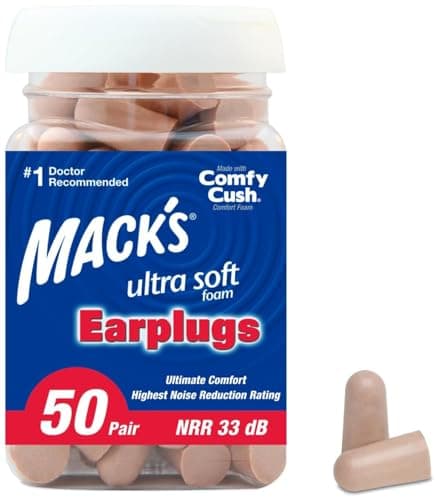
This is the downside we think is genuinely underrated, and it is not medical. A well-fitted 33 dB foam plug is extremely good at its job, and its job does not distinguish between your neighbor’s party and your smoke detector.
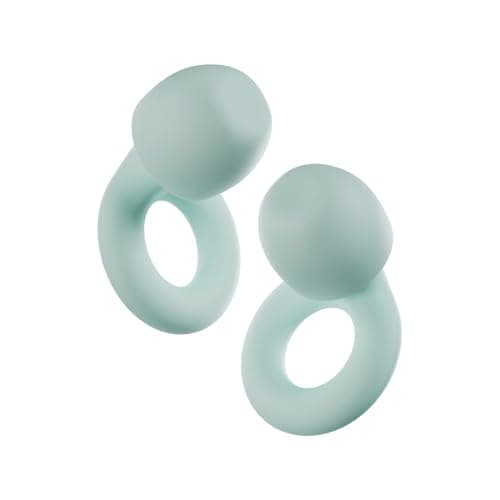
Plan for it rather than hoping. A light-based alarm wakes you without sound and is unaffected by anything in your ears, which is the whole argument of sunrise alarms for heavy sleepers; a bed-shaker alarm is the brute-force version. If you would rather solve it inside the ear, lower-attenuation plugs exist specifically for this and are covered on earplugs that still let you hear your alarm. If you are responsible for a child or a vulnerable adult overnight, plugs are the wrong tool and masking is the right one.
What is not a risk
- “Earplugs cause hearing loss.” They are hearing protection. The thing that damages hearing is noise - NIDCD’s overview of noise-induced hearing loss is clear about the mechanism, and reducing exposure is the opposite of it.
- “Your ears get dependent on them.” There is no physiological dependence. What is real is habituation: a quiet night becomes your new normal and ordinary noise feels louder for a while.
- “Blocking noise is bad for your sleep architecture.” The evidence runs the other way. The WHO night noise guidelines treat nighttime noise as a health burden worth reducing.
The one case where we would not use plugs nightly
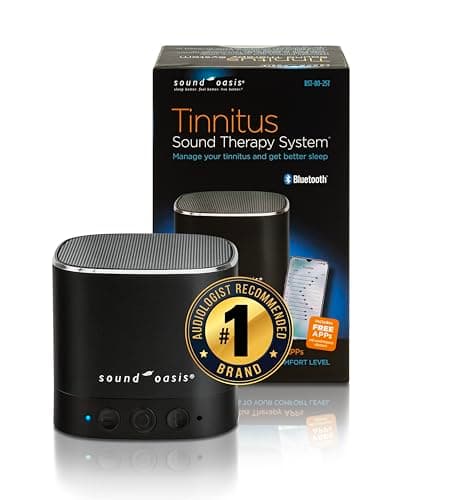
If you have tinnitus, blocking external sound removes the thing that was covering it, and plenty of people find a sealed ear makes the ringing far more prominent at 2am. The approach there is masking rather than blocking, and it needs to be done with care - our tinnitus page covers both the evidence and the cautions, including the reporting on white noise therapy going wrong.
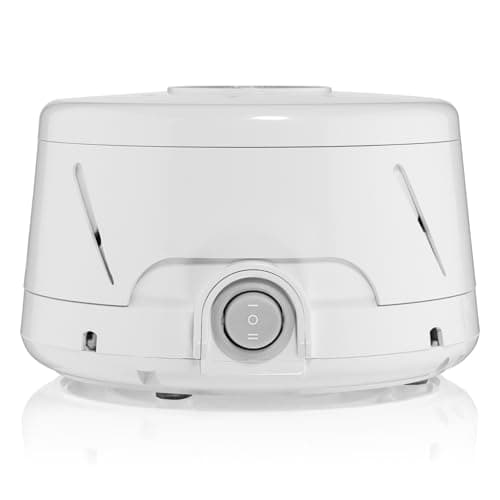
More broadly, if plugs are a nightly necessity rather than an occasional tool, it is worth asking whether the noise itself can be reduced - a sound machine that raises the floor, or the room-level fixes on the noisy neighbors page, both let you wear nothing. The machine-against-plugs comparison is the short version of that decision.
Plugs that make nightly use easier to do safely
Tap any row to jump to the full write-up. Each thumbnail is the product photograph from that item’s own Amazon listing, and the price in the last column is the one Amazon showed at the last check.
| # | Product | Best for | The spec that decides it | Price |
|---|---|---|---|---|
| 1 | 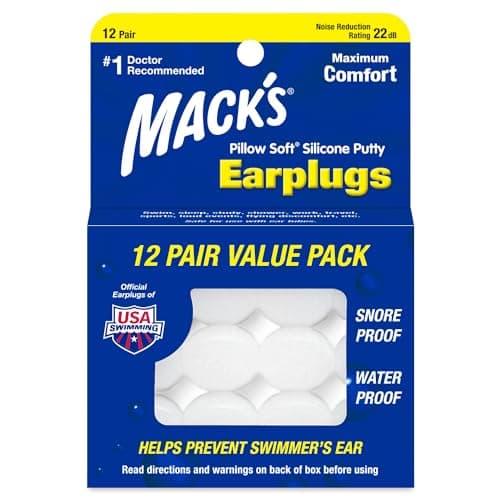 Mack's Pillow Soft Silicone Putty EarplugsMoldable silicone that covers the ear opening instead of going into the canal, so there is nothing inside your ear for the pillow to press on. | The flattest possible profile against a pillow | NRR 22 dB - and it is explicitly a cover, not an insert | |
| 2 | 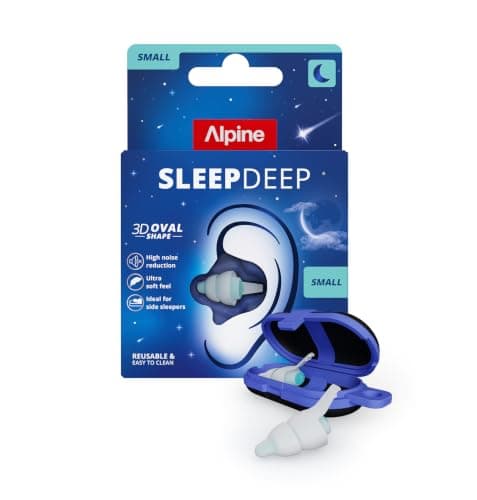 Alpine SleepDeepA silicone-free oval plug sold in three sizes, for the case where the problem is not the material but that nothing has ever fit your ear properly. | Anyone who has tried foam and silicone and found both painful | Oval body that follows the ear's contours, so it sits flat under a pillow | |
| 3 | 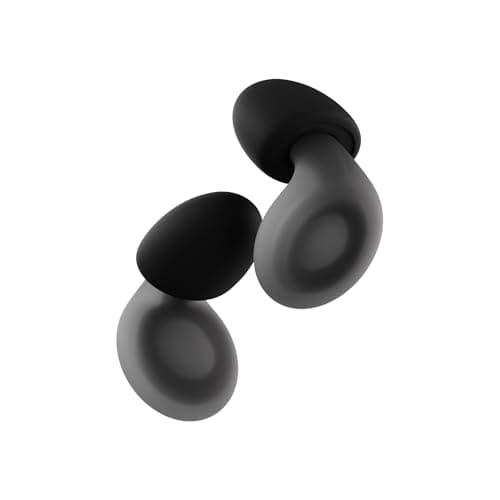 Loop DreamThe only plug here designed from scratch for bedtime rather than adapted to it - Loop's softest silicone, oval memory-foam tips and four tip sizes to get the seal right. | Side sleepers who want one plug and no compromises | 21 dB NRR / 27 dB SNR in a body shaped to be slept on |
Prices come straight from Amazon and are refreshed daily; the date they were checked is stamped under the buy buttons below. If a price has gone stale or a listing has no offer, the button falls back to “Check price on Amazon” rather than showing a number we cannot stand behind. As an Amazon Associate we earn from qualifying purchases.
Chosen for hygiene and shallow fit rather than attenuation - the two things that matter if you are wearing plugs 365 nights a year. Specifications are the manufacturers' own.
#ad How we are funded · price as of November 12, 2026
Our top pick · The flattest possible profile against a pillow
1. Mack's Pillow Soft Silicone Putty Earplugs
Moldable silicone that covers the ear opening instead of going into the canal, so there is nothing inside your ear for the pillow to press on.
- Rating:
- NRR 22 dB (manufacturer figure)
- Material:
- Moldable, latex-free silicone putty
- Fit:
- Molded by hand to your own ear each time
- Reuse:
- Reused until dirty or no longer tacky - Mack's says up to five uses
What it gets right
- Nothing sits inside the canal, which removes the pressure problem rather than softening it
- Molds to an ear shape that no stock tip size matches
- The cheapest entry point here, and stocked in nearly every drugstore
Where it falls short
- Tacky silicone catches hair and can pull at it when you take them out
- Five uses per pair means an ongoing cost if you wear plugs nightly
- Must be worn over the opening, never pushed in - people who insert them anyway are the source of most complaints
Skip it if: You sleep with long hair loose, or you want something you can wash and reuse for months.
#ad How we are funded · price as of November 12, 2026
Pick 2 · Anyone who has tried foam and silicone and found both painful
2. Alpine SleepDeep
A silicone-free oval plug sold in three sizes, for the case where the problem is not the material but that nothing has ever fit your ear properly.
- Rating:
- Up to 27 dB SNR (manufacturer figure)
- Material:
- Silicone-free, hypoallergenic, with a noise-reducing core
- Fit:
- Small, medium or large, plus a multisize pack to find your size
- Care:
- Washable and reusable; the manufacturer quotes up to six months of use
What it gets right
- The oval shape follows the ear rather than plugging it, which is the design that stops pillow pressure
- Three sizes sold separately, so two differently-shaped ears can be fitted individually
- Silicone-free and hypoallergenic, which matters if silicone has irritated you before
Where it falls short
- More expensive than a bag of foam, and the multisize pack costs more again
- Three sizes is fewer options than the eight tip pieces Loop ships
- Six months of life, not a year, so the running-cost case is weaker than it looks
Skip it if: You are fighting genuinely loud noise. An SNR in the mid-20s is a comfort-first number, not a blocking-first one.
#ad How we are funded · price as of November 12, 2026
Pick 3 · Side sleepers who want one plug and no compromises
3. Loop Dream
The only plug here designed from scratch for bedtime rather than adapted to it - Loop's softest silicone, oval memory-foam tips and four tip sizes to get the seal right.
- Rating:
- 21 dB NRR, 27 dB SNR (manufacturer figures)
- Material:
- Soft silicone body, foam-silicone hybrid tips
- Fit:
- Four tip sizes XS-L, plus four Double Tip sizes
- Care:
- Reusable; tips are a consumable and get replaced
What it gets right
- Low-profile body in Loop's softest compound - the pressure point most side sleepers complain about is the one thing it was designed around
- Oval memory-foam tips expand into the ear canal rather than pushing back against it
- Eight tip pieces in the box, which is the difference between a plug that seals and one that falls out
Where it falls short
- The most expensive plug on this page by a wide margin
- 21 dB NRR is low - a foam plug blocks meaningfully more, and T3's reviewer notes this is passive muffling with no active cancellation
- Memory-foam tips are a recurring cost once they stop recovering their shape
Skip it if: You want maximum blocking for the least money. A foam plug beats it on raw attenuation for a few dollars.
Questions people actually ask
Is it bad to sleep with earplugs every night?
For most people, no. The three real downsides are earwax being pushed inward by a deeply inserted plug, irritation or infection from a plug that is dirty or past its life, and sleeping through something you needed to hear. All three are manageable: insert to seal rather than deep, keep plugs clean and replace them on schedule, and use an alarm that does not rely on sound.
Do earplugs cause earwax build-up?
They do not create wax, but a deeply inserted plug can work against the natural outward migration of wax and pack what is already there inward. MedlinePlus and the NHS both describe the ear as self-cleaning and warn against pushing objects into the canal. A shallow or cover-style plug largely sidesteps the problem.
Can sleeping with earplugs cause an ear infection?
A clean, correctly fitted plug is low risk. A reused one in a warm, moist canal is a plausible contributor. Wash reusable plugs weekly and dry them fully, replace foam every few nights, and never share plugs. Stop wearing them and see a clinician if you get pain, discharge, persistent itching or any change in hearing.
Will earplugs stop me hearing my alarm or a smoke detector?
A well-fitted 33 dB foam plug can, and it does not distinguish between noise you want gone and sound you need. Plan around it: a light-based or bed-shaker alarm is unaffected by anything in your ears, and lower-attenuation plugs exist specifically so an alarm still gets through.
Do earplugs damage your hearing?
No - they are hearing protection. Noise damages hearing, which is what NIDCD's overview of noise-induced hearing loss describes, and reducing exposure is the opposite of causing it. The confusion usually comes from people conflating an earplug with an earbud playing loud audio for eight hours, which is a different question.
Should I wear earplugs if I have tinnitus?
Usually not nightly. Blocking external sound removes what was masking the ringing, and many people find a sealed ear makes tinnitus far more prominent at night. Masking with low-level sound is the usual approach instead, and it is worth reading our tinnitus page for the cautions before buying anything.
Sources
- MedlinePlus (US National Library of Medicine) - Ear wax, medical encyclopedia entry.
- NHS - Earwax build-up: causes, treatment and what not to put in your ear.
- NIDCD (National Institute on Deafness and Other Communication Disorders, NIH) - Noise-Induced Hearing Loss.
- World Health Organization - Night Noise Guidelines for Europe.
- Mack's - Pillow Soft Silicone Putty Ear Plugs (manufacturer specifications and fitting instructions).
- Alpine Hearing Protection - SleepDeep earplugs for sleeping (manufacturer specifications).
- Mack's - Ear Plugs for Sleeping (manufacturer specifications).
Back to the best white noise machines.
Read next
 Best earplugs for sleepingThe ranked shortlist once you know the trade-offs.Read it
- Best earplugs for sleeping that don't hurtShallow and cover-style plugs, ranked on fit.Read it
 Earplugs that still let you hear your alarmSolving the missed-alarm risk inside the ear.Read it
 White noise machine vs earplugsMasking instead of blocking, with nothing worn.Read it
 Best sound machines for tinnitusThe one case where we would not seal the ear nightly.Read it