
How this page is funded: we earn a commission if you buy through the links below, at no extra cost to you. As an Amazon Associate we earn from qualifying purchases. It does not change which products we pick or the order they appear in. Full disclosure.
How these picks were made: by comparing published specifications and clearly-credited public reporting. We do not run a laboratory, we have not measured these products, and we do not claim to have slept with them. Here is exactly how we choose.
A note on scope before anything else: this page is about equipment, not about your back. We are not going to tell you which position is healthiest, how to sleep for pain relief, or what your position means for any medical condition. Those questions are for a clinician, and a site that sells blankets is the wrong place to answer them.
What we can help with is narrower and genuinely useful: your sleeping position determines which sleep gear will work for you and which will end up in a drawer, and almost nobody tells you that before you buy.
Why position decides your gear
Three things change when you roll from your back onto your side.
- Your silhouette narrows. A blanket that spread across your whole body now drapes over a shoulder and a hip, and hangs off both edges of the bed.
- Things get pressed between your head and the pillow. Anything you wear on your face or in your ear is now carrying your head weight.
- Half of your face is against fabric. Which is fine, unless there is a mask cup or an earbud stem in between.
Everything below follows from those three.
If you sleep on your side
The most common position and the most constrained. Three rules:
- Weighted blankets: size down and choose drape over press. The same total weight is carried by a much smaller contact area, so take the lower of two options, and a knit that conforms beats a stiff quilted blanket that bridges from your shoulder to the mattress. The full case, and the weight adjustment.
- Sleep masks: slim side panels or none at all. The deepest contoured masks give the best blackout and are exactly the ones a pillow drives back into your face. A slim contoured mask or a flat silk one is the answer. The side-sleeper mask roundup.
- Ears: low profile, or nothing in them. Reusable silicone earplugs sit lower than foam; a headband sits lower than any earbud. Earplug options and headband options.
If you sleep on your back
The least constrained position, and you get the best of every category:
- Weighted blankets work exactly as designed. Even pressure across a wide flat surface is what they were built for. Use the standard ten percent rule with no adjustment.
- You can use the deepest blackout masks. Modular masks with repositionable cups are the best blackout available and nothing presses them into your face. The blackout roundup.
- Any earplug or earbud works. Take the highest blocking rating you can find, since comfort is not the constraint.
If you sleep on your front
The hardest position for gear, because your face is fully against the pillow.
- Masks are difficult. Anything with cups is being pressed directly into your eye sockets. A flat silk mask is realistically the only option, and many front sleepers find no mask works and darken the room instead - which is free.
- Earbuds are usually out. A headband is flat enough to work; most in-ear designs are not.
- Weighted blankets are fine, and often better than for side sleepers, since your back presents a wide flat surface.
If you change position all night
Most people do, and it means buying for the most constrained position you spend real time in rather than the one you fall asleep in. In practice that usually means buying as though you are a side sleeper, which is why the picks above are the side-sleeper kit.
One practical consequence: masks with hard buckles and blankets sized to the mattress rather than to you are both worse for movers, because they get caught and dragged as you turn. Wide soft straps and a blanket sized to your body are the quiet upgrades here.
The side sleeper's kit, since that is most people
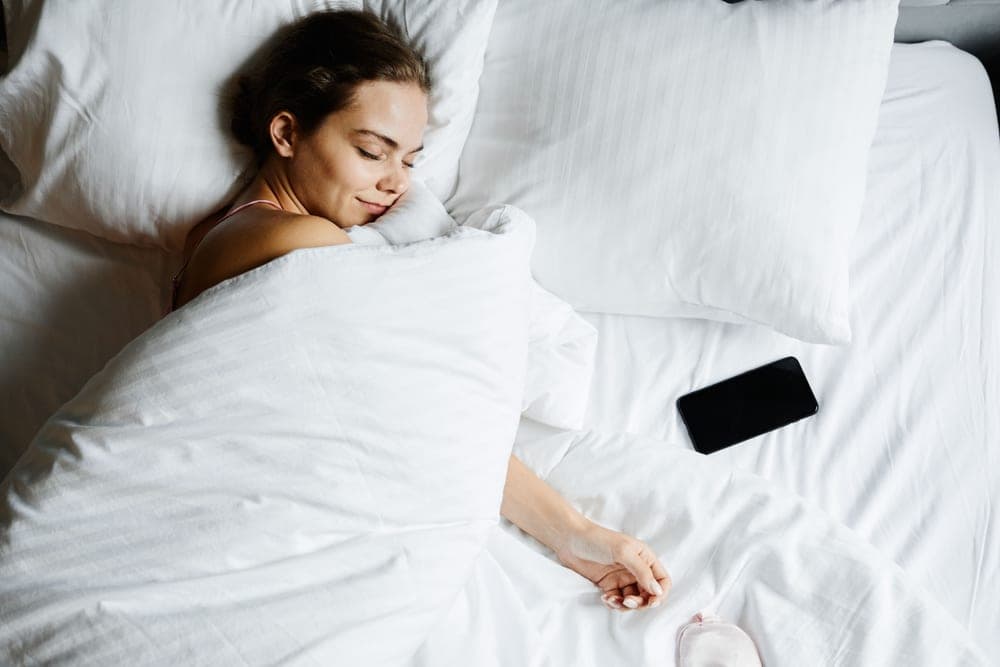
Tap any row to jump to the full write-up. The photographs are licensed stock images chosen to illustrate the category - they are not photographs of these specific products, and each one’s alt text describes what is actually shown.
| # | Product | Best for | The spec that decides it | Price |
|---|---|---|---|---|
| 1 | 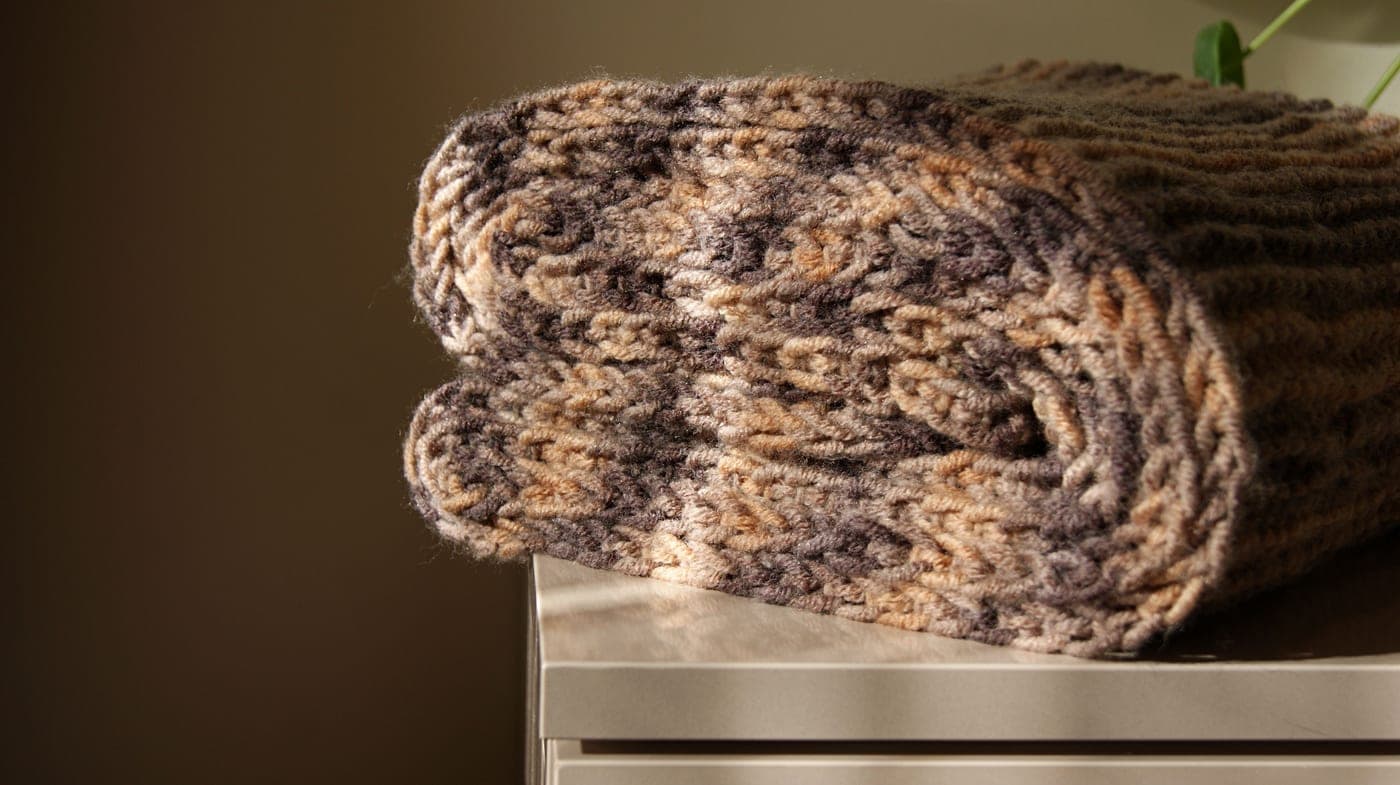 Bearaby Cotton NapperThe only mainstream weighted blanket with no beads at all - the weight is the yarn itself, so air moves straight through the knit. | Anyone who hates the sealed-duvet feeling | Bead-free: weight comes from organic cotton yarn | |
| 2 | 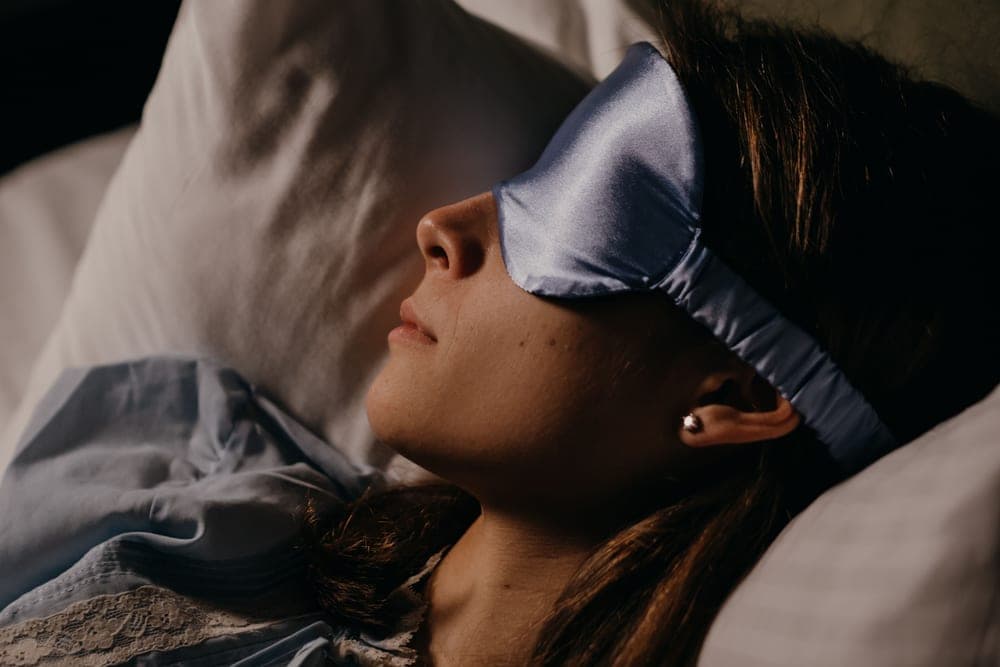 Nidra Deep Rest Sleep MaskMolded eye cups with slim side panels - it keeps the no-pressure benefit of a contoured mask without the depth that ruins side sleeping. | Side sleepers who still want contoured blackout | Molded cups with deliberately slim side panels | |
| 3 |  Loop Quiet 2Reusable silicone with a low profile that does not press back when your ear is against a pillow - you trade some blocking for that. | Side sleepers who reuse their plugs | 24 dB SNR - lower than foam, and deliberately so |
We have no live price feed for this site yet, so every button reads “Check price on Amazon” rather than showing a number that could be out of date. As an Amazon Associate we earn from qualifying purchases.
Side sleeping is the position that constrains gear choice most, so these three are the ones that change the outcome for it.
Our top pick · Anyone who hates the sealed-duvet feeling
1. Bearaby Cotton Napper
The only mainstream weighted blanket with no beads at all - the weight is the yarn itself, so air moves straight through the knit.
- Fill:
- None - weight is long-staple organic cotton yarn
- Weights:
- 8 lb (kids and travel), 12, 15, 20, 25 lb
- Construction:
- Open hand-knit weave
- Care:
- Machine washable
What it gets right
- No beads means no shifting, no bunching and no rustling
- The open knit breathes better than any quilted shell in this roundup
- Doubles as a sofa throw without looking like medical equipment
Where it falls short
- Among the most expensive options in the category
- The open weave catches on rings, watches and rough pet claws
- Heavy knit takes a long time to dry
Skip it if: You want the tucked-in, evenly pinned feeling a bead blanket gives. The knit drapes; it does not press.
Pick 2 · Side sleepers who still want contoured blackout
2. Nidra Deep Rest Sleep Mask
Molded eye cups with slim side panels - it keeps the no-pressure benefit of a contoured mask without the depth that ruins side sleeping.
- Construction:
- Molded contoured cups
- Side panels:
- Slim, for pillow contact
- Eye pressure:
- None - the cups clear the lashes
- Strap:
- Adjustable
What it gets right
- The best blackout-to-bulk ratio in this roundup
- Cheap relative to the premium contoured masks
- Lash clearance is real, which matters if you wear eye makeup or lash extensions
Where it falls short
- Less adjustable than a modular mask - the fit is the fit
- Nose-bridge sealing depends on your face shape
- Fabric wears faster than the premium options
Skip it if: Your light leak is at a high nose bridge. Buy adjustable cups instead.
Pick 3 · Side sleepers who reuse their plugs
3. Loop Quiet 2
Reusable silicone with a low profile that does not press back when your ear is against a pillow - you trade some blocking for that.
- Rating:
- 24 dB SNR (manufacturer figure)
- Material:
- Reusable silicone
- Fit:
- Multiple ear-tip sizes included
- Care:
- Washable, reused for months
What it gets right
- The low profile is the reason side sleepers stick with these
- Washable and reusable, so the running cost is near zero
- Multiple tip sizes solve the fit problem foam plugs create
Where it falls short
- 24 dB is meaningfully less blocking than a 33 dB foam plug
- Higher up-front cost than a year of foam
- Silicone can work loose over a long night
Skip it if: Your problem is loud, low-frequency snoring. You want the foam number, not the comfort number.
Questions people actually ask
Does my sleeping position affect which sleep gear I should buy?
Substantially. Side sleeping narrows your silhouette so a weighted blanket concentrates its load, and it presses anything on your face or in your ear against the pillow. Back sleeping is the least constrained and lets you use the deepest blackout masks and the highest-blocking earplugs.
What sleep mask is best for side sleepers?
A contoured mask with deliberately slim side panels, or a flat silk mask. The deepest modular masks give the best blackout and are exactly the ones a pillow drives back into your face.
Should side sleepers use a lighter weighted blanket?
Usually yes - the same total weight is carried by a much smaller contact area, so take the lower of two available sizes. A knit that conforms also beats a stiff quilted blanket that bridges from your shoulder to the mattress.
Can front sleepers use a sleep mask?
Only a flat one, realistically. Anything with molded cups is pressed directly into the eye socket by the pillow. Many front sleepers find no mask works and darken the room instead, which is free.
What if I change position during the night?
Buy for the most constrained position you spend real time in, which for most people means buying as though you are a side sleeper. Wide soft straps and a blanket sized to your body rather than to the mattress are the quiet upgrades for movers.
Sources
Back to what to do when you can't sleep.
Read next
- Best weighted blankets for side sleepersThe weight adjustment and the drape argument.Read it
- Best sleep masks for side sleepersSlim panels, and the strap detail nobody mentions.Read it
- Best earplugs for sleepingLow-profile options for side sleeping.Read it
- The sleep gear buyer's guideWhat to buy first across all four categories.Read it