
How this page is funded: we earn a commission if you buy through the links below, at no extra cost to you. As an Amazon Associate we earn from qualifying purchases. It does not change which products we pick or the order they appear in. Full disclosure.
How these picks were made: by comparing published specifications and clearly-credited public reporting. We do not run a laboratory, we have not measured these products, and we do not claim to have slept with them. Here is exactly how we choose.
Short answer: buy the A20 unless your problem is snoring. The A20 is the value pick - Anker publishes 30 dB of high-frequency passive noise reduction and 14 hours per charge, which covers traffic, chatter, a TV through a wall and a noisy street. The A30 adds active noise cancellation and a three-stage snore masking system, which is the only thing in either product that genuinely helps against low-frequency snoring - and it publishes 9 hours per charge rather than 14 to pay for it. If a person next to you snores, pay for the A30. If anything else is the problem, you are buying features you will not use.
These are the same idea built twice. Both are low-profile sleep earbuds designed to be lain on, both seal the ear canal and play masking audio on top, both come from Anker’s Soundcore line, and both are sold to the same frustrated person at 1am. The difference is one feature, and that feature is frequency- specific in a way the marketing does not make obvious.
The comparison
| Sleep A20 | Sleep A30 | |
|---|---|---|
| Noise reduction | Passive only - 30 dB high-frequency (manufacturer figure) | Active noise cancellation plus passive isolation |
| Battery, single charge | 14 h (manufacturer figure) | 9 h (manufacturer figure) |
| Battery with case | 80 h | 45 h |
| Snore handling | Masking audio you set yourself | Three-stage system: snore tracking, adaptive masking, tuned tips |
| Audio sources | Bluetooth 5.3 - streams anything | Bluetooth 5.4, plus the app’s own soundscapes |
| Weight per bud | Low-profile shell with ear wings | 3 g, memory-foam tips (manufacturer figure) |
| Water resistance | Rated for sleep use | IPX4 |
| Who it is for | Traffic, chatter, a TV next door, a noisy street | A snoring partner, specifically |
Specifications above are the manufacturer’s own, from the A20 product page and the A30 product page. We have not measured either and we do not assign scores.
Why frequency is the whole decision
Passive blocking - a physical seal in your ear canal - is good at high frequencies and poor at low ones. That is physics, not a product flaw, and it is why a foam earplug’s impressive NRR number still leaves you hearing a snore through the wall. Long wavelengths go around and through small obstructions.
Snoring sits exactly in that weak band. Johns Hopkins researchers measured snoring as a noise exposure and treated it as a genuine acoustic problem rather than an annoyance, and the low-frequency content is the part that travels. Research on earplug design has gone as far as adding Helmholtz resonators to improve low-frequency attenuation - which tells you how hard the problem is passively.
Active noise cancellation is the one consumer technology that works well down there. It samples the incoming sound and plays an inverted version of it, and its strong range is the low end where passive sealing is weakest. So:
- High-frequency noise - voices, TV, traffic, a dog, a hallway - is a passive problem. The A20 is sufficient and cheaper.
- Low-frequency noise - snoring, a bass line, a truck idling, a washing machine downstairs - is an active problem. The A30 is the one that addresses it.
If you are not sure which yours is, there is a free test: put a finger firmly in each ear and listen. Whatever still gets through is low-frequency, and that is what you would be buying the A30 for.
The battery trade is real
Active cancellation costs power continuously, and Anker’s own figures show it: 14 hours on the A20 against 9 on the A30. Nine hours covers a night. It does not comfortably cover a night plus a nap, and it does not cover a long-haul flight plus the sleep at the other end.
For most people this is a non-issue - you charge them in the case every morning the way you charge a phone. For shift workers sleeping in two blocks, or anyone who naps, the A20’s extra five hours is a genuine functional advantage, and the night-shift page explains why split sleep makes battery life matter more than it looks.
When neither is the right purchase
Both of these are expensive compared with the alternatives, and both involve something in your ear canal all night, every night. Three cases where we would spend elsewhere:
You want silence, not sound. Earbuds mask. Earplugs block. Mack’s publishes NRR 33 dB on its highest-rated foam plug, which no earbud in this category approaches passively, and it costs a few dollars. The machine-or-earplugs comparison works through that fork properly.
You cannot sleep with anything in your ears. Plenty of people cannot, and no amount of low-profile engineering changes it. A headband with flat speakers puts nothing in the canal, and a flat-profile earplug is the other way around the problem.
The snoring is severe. Loud, chronic snoring is a medical symptom, not an acoustics problem, and buying your way to not hearing it leaves it untreated. The snoring-partner page says that part out loud, which is the less profitable thing to say and the right one.
The verdict
The A20 is the better product for more people: longer battery, lower price, and 30 dB of passive high-frequency reduction covers the noise most of us actually fight. The A30 exists for one buyer - the person sharing a bed with a snorer - and for that buyer the active cancellation is not a luxury feature, it is the only part of either product that addresses their frequency range.
Buy for your noise, not for the spec sheet. And if you want the full field rather than this one brand, the sleep earbuds roundup has the alternatives side by side.
The two of them, plus the alternative worth knowing about
Tap any row to jump to the full write-up. The photographs are licensed stock images chosen to illustrate the category - they are not photographs of these specific products, and each one’s alt text describes what is actually shown.
| # | Product | Best for | The spec that decides it | Price |
|---|---|---|---|---|
| 1 | 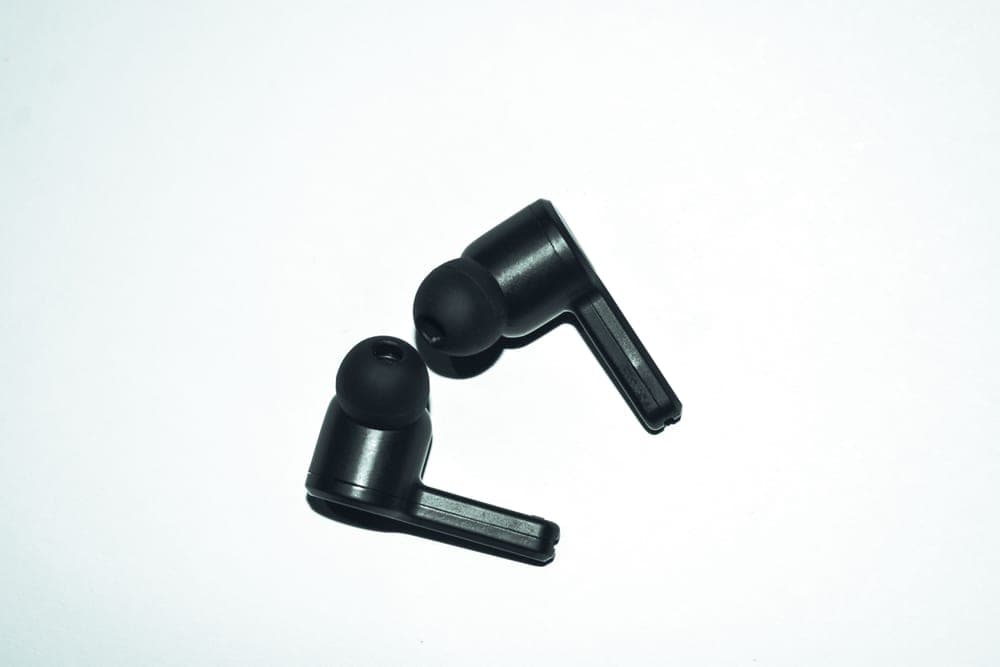 Soundcore Sleep A20Low-profile buds designed to be lain on, with the battery life to actually cover a full night plus a nap. | The value pick in sleep earbuds | 30 dB high-frequency passive noise reduction, 14 h per charge | |
| 2 | 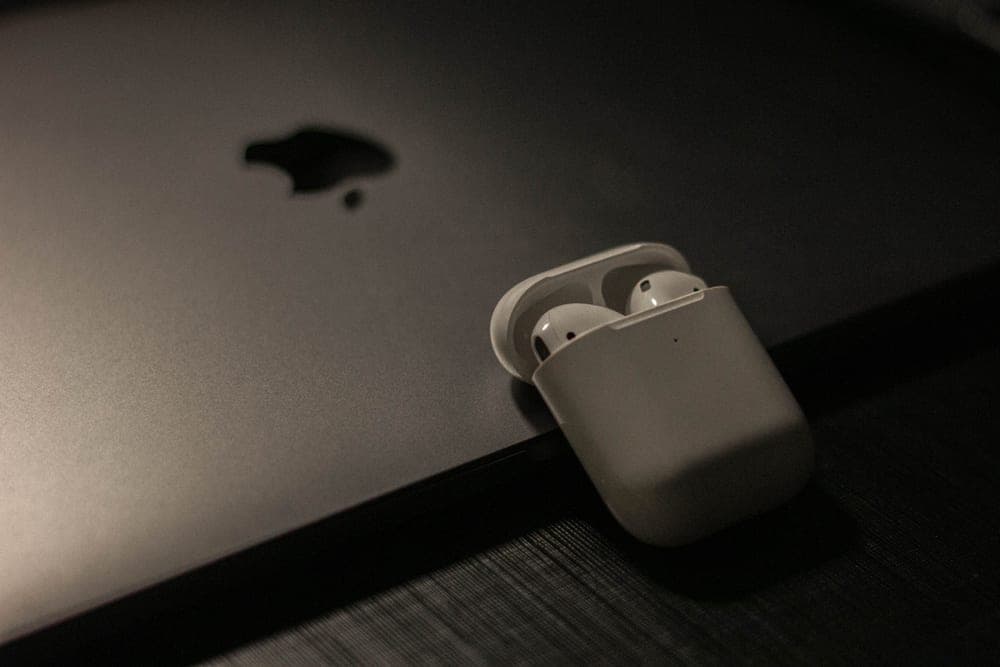 Soundcore Sleep A30The first sleep earbud with active noise cancellation, tuned for the low-frequency rumble that passive isolation cannot touch. | A snoring partner, specifically | Active noise cancellation with adaptive snore masking | |
| 3 |  Ozlo SleepbudsBuilt by ex-Bose engineers around passive sealing and tuned masking soundscapes rather than raw volume. | Light sleepers who want a sealed-room feeling | Passive sealing plus purpose-tuned masking audio |
We have no live price feed for this site yet, so every button reads “Check price on Amazon” rather than showing a number that could be out of date. As an Amazon Associate we earn from qualifying purchases.
Both Soundcore models and the one competitor that takes a different approach. Every pick is a real, currently-sold product; none has been tested by us, and the specifications are the manufacturers' own.
Our top pick · The value pick in sleep earbuds
1. Soundcore Sleep A20
Low-profile buds designed to be lain on, with the battery life to actually cover a full night plus a nap.
- Noise reduction:
- 30 dB high-frequency, passive (manufacturer figure)
- Battery:
- 14 h per charge, 80 h total with the case
- Profile:
- Low-profile shell with ear wings, built for side sleeping
- Bluetooth:
- 5.3 - streams any audio source
What it gets right
- Passive isolation plus masking audio is a stronger combination than either alone
- Battery outlasts the night, which most true-wireless buds do not
- Streams anything, so you are not locked into one app's sound library
Where it falls short
- No active noise cancellation - that is the A30
- Passive isolation is weakest exactly where snoring lives, in the low frequencies
- Anything in your ear canal all night is a hygiene commitment
Skip it if: You just want silence. Earplugs block more, cost a fraction, and never need charging.
Pick 2 · A snoring partner, specifically
2. Soundcore Sleep A30
The first sleep earbud with active noise cancellation, tuned for the low-frequency rumble that passive isolation cannot touch.
- Noise reduction:
- Active noise cancellation plus passive isolation
- Snore masking:
- Adaptive - responds to detected snoring
- Profile:
- Low-profile, side-sleeper oriented
- App:
- Yes, with sleep tracking
What it gets right
- ANC targets the low frequencies foam plugs and passive buds both struggle with
- Adaptive masking means the volume is not held constant all night
- Undercuts the premium sleep-bud competition on price
Where it falls short
- Most expensive option in this category by a wide margin
- ANC draws power, so battery life is shorter than the A20
- Feature depth you will never use if all you want is quiet
Skip it if: Your noise is high-frequency - traffic, chatter, a TV next door. Passive blocking handles that for far less.
Pick 3 · Light sleepers who want a sealed-room feeling
3. Ozlo Sleepbuds
Built by ex-Bose engineers around passive sealing and tuned masking soundscapes rather than raw volume.
- Approach:
- Passive seal plus masking soundscapes
- Battery:
- Around 14 h rated
- Profile:
- Light, low-profile shell
- Sounds:
- Curated masking library with sleep modes
What it gets right
- The seal is the strongest passive isolation among the buds we shortlisted
- Masking soundscapes are tuned for the job rather than repurposed music presets
- Comfortable enough to keep in all night
Where it falls short
- Premium price for what is, functionally, a masking device
- Library-driven rather than stream-anything
- Small ecosystem compared with the Anker line
Skip it if: You want to fall asleep to your own podcasts and audiobooks. Pick buds that stream freely.
Questions people actually ask
What is the difference between the Soundcore Sleep A20 and A30?
The A30 adds active noise cancellation and a three-stage snore masking system; the A20 relies on passive isolation, for which Anker publishes 30 dB of high-frequency noise reduction. The A30 pays for the cancellation in battery: 9 hours per charge against the A20's 14.
Is the Soundcore Sleep A30 worth the extra money?
If a person next to you snores, yes - active noise cancellation is the only part of either product that works on low-frequency sound, which is where snoring lives. For traffic, voices, a TV through a wall or a noisy street, no: that is high-frequency noise and passive sealing already handles it.
Which has better battery life, the A20 or the A30?
The A20, clearly: Anker publishes 14 hours per charge and 80 hours with the case, against 9 hours and 45 hours for the A30. Active cancellation draws power continuously. Nine hours covers a night but not a night plus a nap.
Do the Soundcore sleep earbuds block snoring?
The A30 is built for it, with snore detection and adaptive masking; the A20 only masks with whatever you play. Neither blocks snoring the way a wall would - low-frequency sound passes through small physical seals, which is why active cancellation is the feature that matters here.
Are sleep earbuds better than earplugs?
They do a different job. Earplugs block more sound passively for a few dollars and never need charging; earbuds mask with audio and can run active cancellation. If you want silence, buy plugs. If you want to fall asleep to something, or you need help with low-frequency noise, buy buds.
Can you sleep on your side with the A20 or A30?
Both are designed for it - low-profile shells meant to be lain on, with the A30 published at 3 g per bud with memory-foam tips. Whether that is comfortable for you all night is individual, and if nothing in the ear canal works for you, a headband with flat speakers avoids the problem entirely.
Sources
- Anker soundcore - Sleep A20 sleeping earbuds (manufacturer specifications).
- Anker soundcore - Sleep A30 sleeping earbuds (manufacturer specifications: active noise cancellation, three-stage snore masking, 9 h per charge).
- Sowho M, Sgambati F, Guzman M, Schneider H, Schwartz A. Snoring: a source of noise pollution and sleep apnea predictor. Sleep, 2020;43(6):zsz305 (Johns Hopkins School of Medicine).
- Carillo K, Sgard F, Dazel O, Doutres O. Improving low-frequency attenuation of passive earplugs using Helmholtz resonators. Journal of the Acoustical Society of America (IRSST record).
- Mack's - Ear Plugs for Sleeping (manufacturer specifications).
- CNN Underscored - The best headphones for sleeping, tried and tested.
- SoundGuys - Best earbuds and headphones for sleeping.
Back to the best white noise machines.
Read next
- Best sleep earbudsThe full field, not just this one brand.Read it
- Best sleep headphonesHeadbands versus earbuds, if the canal is the problem.Read it
- Best earplugs to block snoringThe passive route at a tenth of the price.Read it
- Best way to sleep with a snoring partnerIncluding the part that is not a gear problem.Read it
- White noise machine vs earplugsMask it or block it - the fork before any of this.Read it