
How this page is funded: we earn a commission if you buy through the links below, at no extra cost to you. As an Amazon Associate we earn from qualifying purchases. It does not change which products we pick or the order they appear in. Full disclosure.
How these picks were made: by comparing published specifications and clearly-credited public reporting. We do not run a laboratory, we have not measured these products, and we do not claim to have slept with them. Here is exactly how we choose.
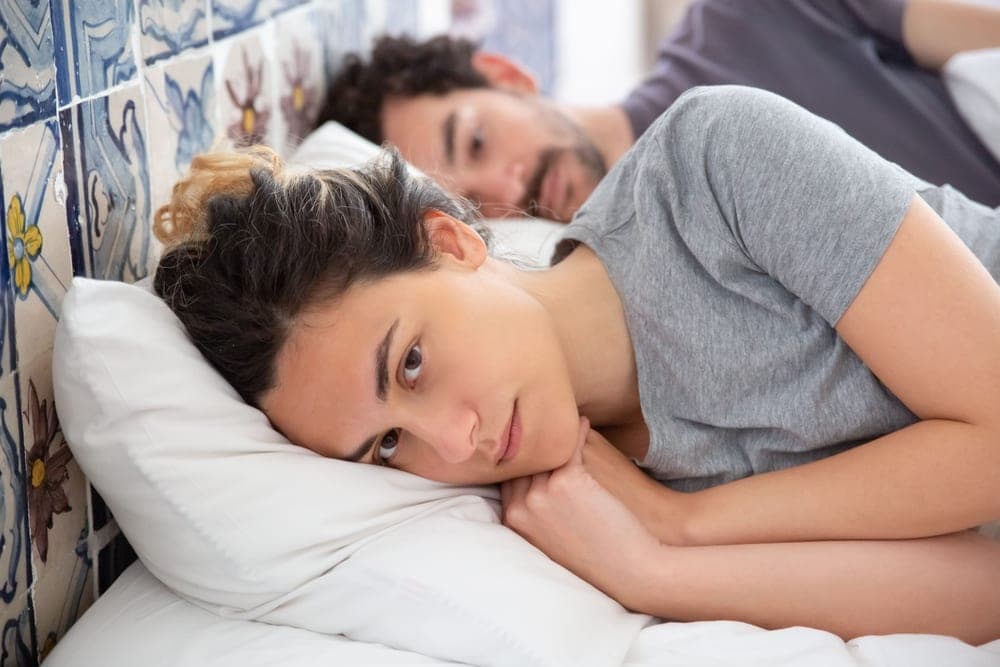
A white noise machine takes the edge off snoring and will not solve it. Brown noise helps more than white. Blocking beats masking here, and it is not close.
Why snoring is the hardest case for masking
Masking works by raising the noise floor until intermittent sounds stop standing out. Snoring defeats that in three ways at once:
- It is loud. To mask it you would need to run the machine at a comparable volume, which is itself disruptive. WHO guidance suggests bedrooms stay under about 30 dB for good sleep - and a mask loud enough to cover a snorer is well past that.
- It is low-frequency. White noise puts most of its perceived energy in the upper-middle range. The rumble goes straight through it.
- It is intermittent and irregular. Steady noise masks well. Snoring stops, starts, and changes in volume - and your brain is extremely good at detecting exactly that pattern.
What you can get from a machine
Not nothing. If the snoring is light or intermittent, brown noise from a digital machine placed between the two of you does help - it will not remove the sound but it flattens the contrast between snore and silence, and the contrast is often what actually wakes you. Choose brown rather than white, which means a digital machine rather than a fan.
Placement matters more than people expect. Put the machine between you and your partner, not on the far side of you, so the mask arrives from the same direction as the noise.
The three things that work better
1. Earplugs
The unglamorous answer, and the right one for most people. A foam plug rated NRR 33 physically reduces what reaches your eardrum instead of trying to cover it, costs almost nothing, and never needs charging. The main catch is that at 33 dB you will probably also sleep through your alarm - which has its own solutions. The full earplug roundup is here.
2. Active noise canceling sleep earbuds
The technically strongest option. Passive blocking is weakest at low frequencies, which is exactly where snoring lives - and active noise cancellation is strongest there. That is why ANC sleep earbuds are the one product category genuinely engineered for this problem, and why one of them tops the picks above.
3. Separate rooms, honestly
Not a product, and worth saying. A lot of couples sleep separately some or all of the time and sleep considerably better for it. If you are choosing between six months of broken sleep and a spare room, take the spare room.
The half of this that is not yours to solve
Everything above is about protecting your sleep. The snoring itself belongs to your partner, and loud habitual snoring - particularly with gasping, choking or pauses in breathing, or daytime sleepiness - is something they should raise with a doctor. We are a gear site: we do not diagnose anything, and no earplug, machine or earbud addresses the underlying cause. Masking your partner’s snoring so effectively that nobody ever looks into it is not a good outcome for either of you.
For the whole picture, including the free things worth trying first, the guide to sleeping with a snoring partner is the fuller read.
What actually works, in order
Tap any row to jump to the full write-up. The photographs are licensed stock images chosen to illustrate the category - they are not photographs of these specific products, and each one’s alt text describes what is actually shown.
| # | Product | Best for | The spec that decides it | Price |
|---|---|---|---|---|
| 1 | 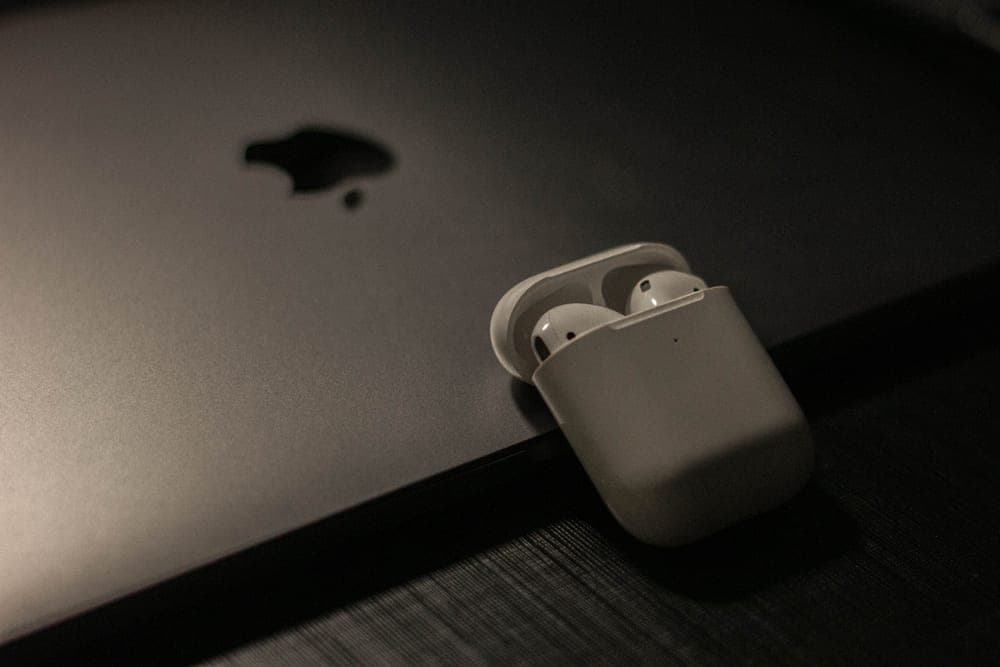 Soundcore Sleep A30The first sleep earbud with active noise cancellation, tuned for the low-frequency rumble that passive isolation cannot touch. | A snoring partner, specifically | Active noise cancellation with adaptive snore masking | |
| 2 |  Mack's Ultra Soft Foam EarplugsThe highest-rated foam plug in common retail, at a price where losing one in the sheets does not matter. | Maximum blocking for the least money | NRR 33 dB - the highest rating in this roundup | |
| 3 |  LectroFan EVOThe digital machine that solved the loop problem: 22 sounds generated rather than played back, so there is no seam to notice. | Digital variety without the loop artifact | 22 non-looping generated sounds |
We have no live price feed for this site yet, so every button reads “Check price on Amazon” rather than showing a number that could be out of date. As an Amazon Associate we earn from qualifying purchases.
Ranked by effectiveness against low-frequency intermittent noise, not by price. The cheapest option here is the second one.
Our top pick · A snoring partner, specifically
1. Soundcore Sleep A30
The first sleep earbud with active noise cancellation, tuned for the low-frequency rumble that passive isolation cannot touch.
- Noise reduction:
- Active noise cancellation plus passive isolation
- Snore masking:
- Adaptive - responds to detected snoring
- Profile:
- Low-profile, side-sleeper oriented
- App:
- Yes, with sleep tracking
What it gets right
- ANC targets the low frequencies foam plugs and passive buds both struggle with
- Adaptive masking means the volume is not held constant all night
- Undercuts the premium sleep-bud competition on price
Where it falls short
- Most expensive option in this category by a wide margin
- ANC draws power, so battery life is shorter than the A20
- Feature depth you will never use if all you want is quiet
Skip it if: Your noise is high-frequency - traffic, chatter, a TV next door. Passive blocking handles that for far less.
Pick 2 · Maximum blocking for the least money
2. Mack's Ultra Soft Foam Earplugs
The highest-rated foam plug in common retail, at a price where losing one in the sheets does not matter.
- Rating:
- NRR 33 dB (manufacturer figure)
- Material:
- Slow-recovery polyurethane foam
- Reuse:
- A few nights each, then discard
- Sold as:
- Bulk packs
What it gets right
- Nothing in common retail blocks more
- Cheap enough to replace constantly, which is also more hygienic
- The soft compound is tolerable for side sleepers once compressed correctly
Where it falls short
- Only works if you roll and insert them properly - most complaints are fit, not product
- Disposable, so there is an ongoing cost and ongoing waste
- At 33 dB you will very likely sleep through a standard alarm
Skip it if: You have to hear an alarm, a child, or a smoke detector. This is the wrong tool for that night.
Pick 3 · Digital variety without the loop artifact
3. LectroFan EVO
The digital machine that solved the loop problem: 22 sounds generated rather than played back, so there is no seam to notice.
- Type:
- Digital, non-looping synthesis
- Sounds:
- 22, including white, pink and brown noise plus fan sounds
- Volume:
- Precise stepped control across a wide range
- Moving parts:
- None
What it gets right
- Gives you brown and pink noise, which a mechanical fan cannot
- No motor means no mechanical hum and nothing to wear out
- Compact enough to pack
Where it falls short
- Digital sound is still digital - some people hear it as flatter than moving air
- No app or alarm features
- More expensive than budget machines with far longer preset lists
Skip it if: You specifically want the texture of real moving air. Get the Dohm instead.
Questions people actually ask
Will a white noise machine drown out snoring?
Not reliably. Snoring is loud, low-frequency and intermittent, which is the worst possible combination for masking. A machine playing brown noise, placed between you and your partner, reduces the contrast between snore and silence and helps at the margins - it does not remove the sound.
Does white noise machine help with snoring?
It helps more with light or intermittent snoring than with loud habitual snoring. Use brown noise rather than white, because the energy sits where the snore does, and place the machine between you and the source.
What is the best thing to block out snoring?
Foam earplugs for pure value, or active noise canceling sleep earbuds for the best technical result - ANC works precisely at the low frequencies where passive blocking and masking both struggle.
Why can I hear snoring through my earplugs?
Either the plugs are not seated - roll them thin, pull your ear up and back, hold for 20-30 seconds - or the snoring is loud enough that even 33 dB of attenuation leaves it audible. In the second case, add active noise cancellation or change rooms.
Should my partner see a doctor about snoring?
Loud habitual snoring, especially with gasping, choking, pauses in breathing or daytime sleepiness, is something to raise with a doctor. Nothing on this page treats a cause - it only protects your sleep while your partner deals with theirs.
Sources
Back to the best white noise machines.
Read next
- Your partner snores and you can't sleepThe fuller guide, including the free things to try first.Read it
- Best earplugs for sleepingThe cheapest thing that genuinely works here.Read it
- Best sleep earbudsActive noise cancellation, aimed at exactly this.Read it
- White vs pink vs brown noiseWhy brown noise is the right color for a snore.Read it