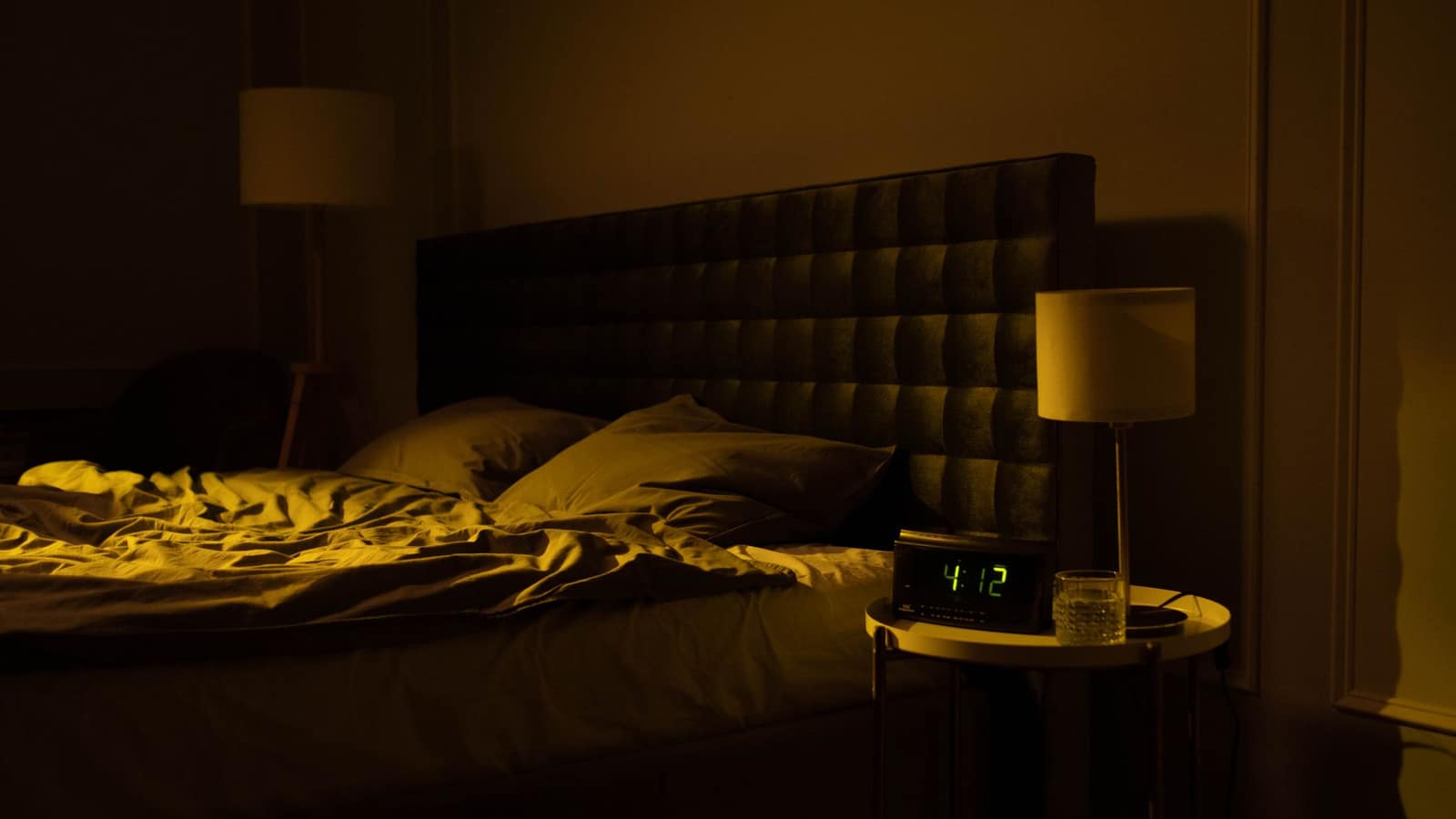

How this page is funded: we earn a commission if you buy through the links below, at no extra cost to you. As an Amazon Associate we earn from qualifying purchases. It does not change which products we pick or the order they appear in. Full disclosure.
How these picks were made: by comparing published specifications and clearly-credited public reporting. We do not run a laboratory, we have not measured these products, and we do not claim to have slept with them. Here is exactly how we choose.
Short answer: no, not for a healthy adult using one at a reasonable volume with the machine across the room rather than beside the pillow. The real published concern is narrower than the headlines: a 2014 study measured 14 infant sleep machines at maximum volume and found three capable of output above 85 A-weighted dB, which over eight hours exceeds adult occupational noise limits. That is a finding about how loud and how close, and both of those are settings you control for free. Three groups should still think twice: infants, people with tinnitus, and anyone using one to drown out a sound they should be able to hear.
This question gets two bad answers online. One is reassurance with nothing behind it. The other is alarm built on a study about babies applied to adults. The actual picture is specific and usable, so here it is.
What the research actually measured
The study everyone is referring to is Hugh and colleagues in Pediatrics, 2014. They measured the sound output of 14 infant sleep machines played at maximum volume at 30, 100 and 200 cm, with a correction applied for a six-month-old’s ear canal. Children’s Hospital of Philadelphia’s clinical commentary lays out the findings: every device exceeded 50 A-weighted dB at 30 cm - the recommended noise limit for infants in hospital nurseries - and three exceeded 85 A-weighted dB, which if sustained for more than eight hours crosses the occupational limit set for adults.
Read that carefully, because the detail is where the useful advice lives. Those are readings at maximum volume at 30 centimeters. Nobody is required to run a machine that way. Double the distance and the level drops substantially; turn the dial down and it drops again. The recommendation that came out of the work was not to stop using sound machines - it was distance, lower volume, and not all night at the top setting.
For adults the applicable reference point is the same occupational one: the WHO’s night-noise guidance for Europe is about the level of nighttime sound exposure that affects health, and a machine run quietly across a room is well inside it. A machine run at maximum on the pillow beside your ear for eight hours a night, for years, is a different proposition - and is also not how anyone enjoys using one.
The four rules that settle it
- Distance beats volume. Move the machine across the room and you can run it at a lower setting for the same masking effect at your ear. This is the single highest-value change on the list and it costs nothing.
- Set it at the lowest level that masks the thing bothering you. Not the level that makes the room feel acoustically dead. Masking works by making an intrusion stop standing out, not by burying it.
- Use the timer if you only need help falling asleep. Plenty of people need masking for the first twenty minutes and not for the next seven hours. A 45 or 90 minute auto shut-off costs nothing in effectiveness - Yogasleep publishes 45, 90 and 8-hour options on the Duet.
- Buy a machine with fine volume steps. This is the part people never think about when buying. A machine with three volume settings forces you to choose between too quiet and too loud; the LectroFan EVO publishes precise stepped control across a wide range, which is what makes rule two actually practicable.
Three groups who should think twice
Infants and babies, at close range. This is where the measured research was aimed and where the caution is genuinely warranted. If you use one in a nursery, put it as far from the crib as the room allows, keep it well below maximum, and do not run it at full volume all night. The night-light roundup covers the machines commonly used in that setting.
People with tinnitus - with an important caveat. Sound therapy is a mainstream approach to tinnitus; the American Tinnitus Association describes masking devices as a standard option. But there is a real published concern about doing it badly: a 2018 JAMA Otolaryngology review argues that prolonged broadband white noise therapy may have unintended consequences for auditory processing. The NIDCD’s overview is the place to start, and our tinnitus page takes the banded-tone-versus-broadband distinction seriously rather than selling you the nearest machine.
Anyone masking a sound they need to hear. If a machine is covering a smoke alarm, a baby monitor, a child’s door, or a carbon monoxide detector, the risk is not your hearing - it is the thing you are not hearing. Run it quieter, or add a wake channel that does not depend on sound at all.
The other worries, answered briefly
Will I become dependent on it? In the sense that you will sleep worse without it for a few nights, probably - that is conditioning, and it applies equally to a specific pillow or a dark room. It is not a withdrawal syndrome, and it resolves. If it bothers you, use a timer so the machine is off for most of the night anyway.
Is pink or brown noise safer than white? Not meaningfully, on volume grounds - the level is what matters, not the color. There is a separate and more interesting question about effects on sleep-dependent learning: one 2023 paper raises a caution about overnight pink noise and insight tasks, which cuts against the general enthusiasm after earlier work showing acoustic enhancement of slow oscillations. Both are worth reading; our noise-colors page covers the trade-off and Cleveland Clinic’s take on brown noise is a sensible layperson summary.
Does it affect speech development in children? The honest answer is that the measured-output concern is about hearing, and the language-environment concern - a machine running all day reduces the amount of speech a child hears - is a reasonable inference rather than a demonstrated finding. Either way the fix is the same: use it for sleep, not as background all day.
The verdict
A white noise machine is one of the lower-risk things in a bedroom, and the risk it does carry is entirely in the volume dial and the distance from your head. Put it across the room, run it quietly, use the timer, and buy one with fine enough volume steps that "quietly" is actually an option. If you have tinnitus, read the tinnitus page before buying anything. If it is for a baby, distance is not optional.
Three machines with the controls this page says to use
Tap any row to jump to the full write-up. The photographs are licensed stock images chosen to illustrate the category - they are not photographs of these specific products, and each one’s alt text describes what is actually shown.
| # | Product | Best for | The spec that decides it | Price |
|---|---|---|---|---|
| 1 | 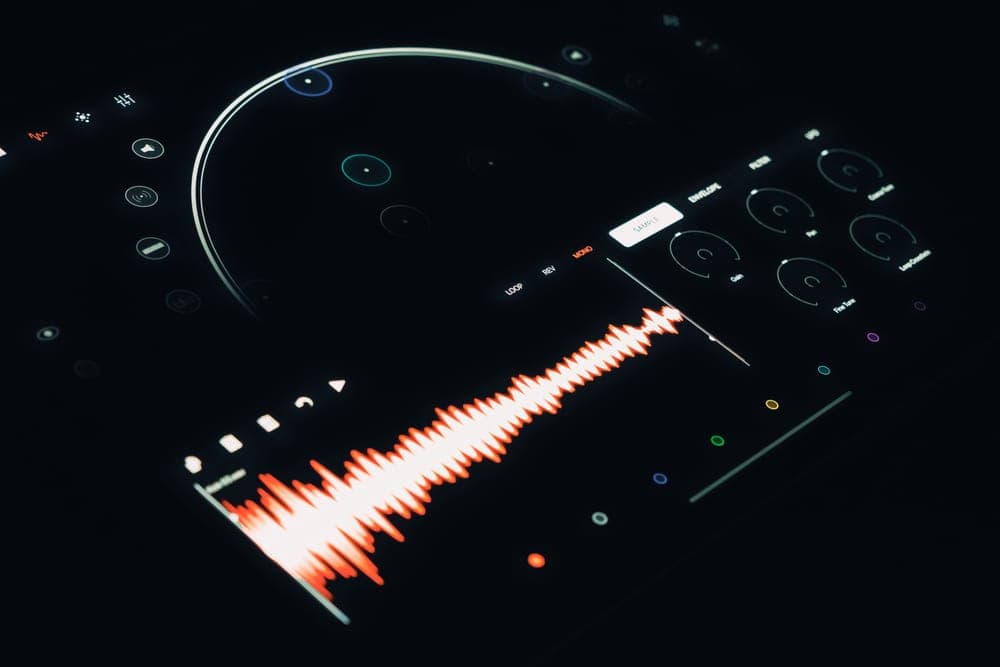 LectroFan EVOThe digital machine that solved the loop problem: 22 sounds generated rather than played back, so there is no seam to notice. | Digital variety without the loop artifact | 22 non-looping generated sounds | |
| 2 | 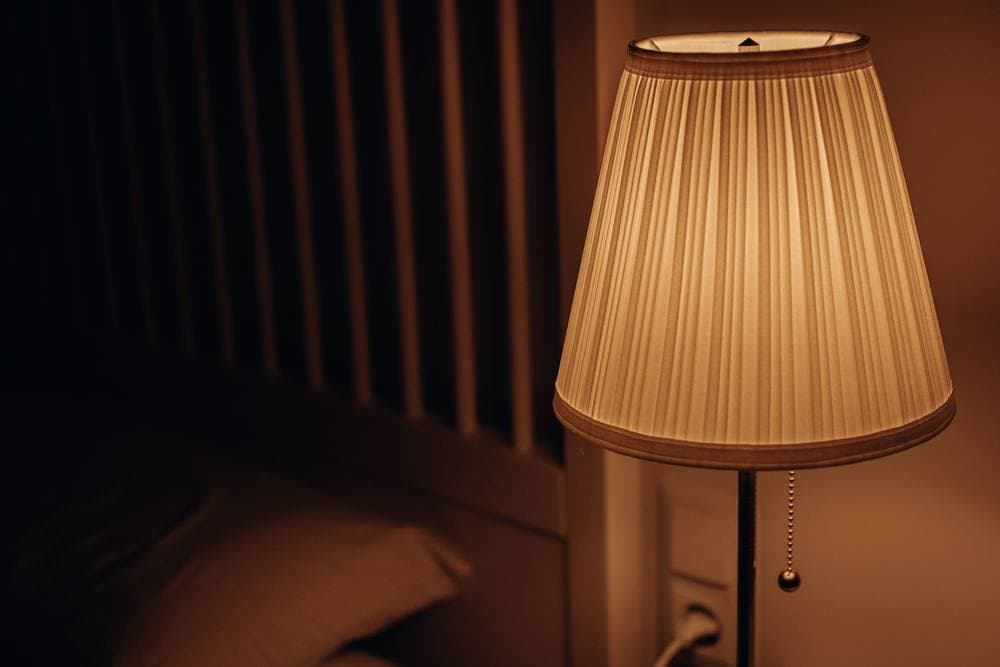 Yogasleep DuetThirty sounds with white, pink and brown noise all named on the spec sheet, plus an amber night light - the straightforward way to get the two quieter noise colors. | Pink and brown noise on the unit, without an app or an account | 30 sounds including white, pink and brown noise | |
| 3 | 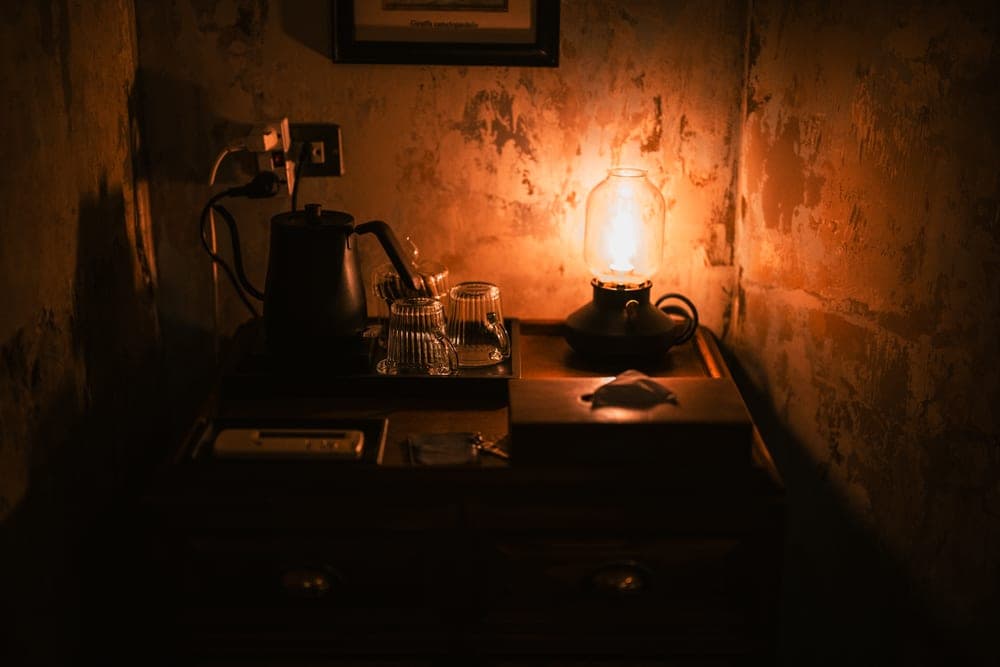 Yogasleep Dohm ClassicAn actual fan inside a shell. It cannot loop, because there is no recording - you tune the sound by twisting the housing. | People who hear the seam in a looped recording | Mechanical fan-based noise, no recording, no loop |
We have no live price feed for this site yet, so every button reads “Check price on Amazon” rather than showing a number that could be out of date. As an Amazon Associate we earn from qualifying purchases.
Chosen for fine volume control and a real timer, because those are the two features that make the safety advice on this page possible. Every pick is a real, currently-sold product; none has been tested by us, and the specifications are the manufacturers' own.
Our top pick · Digital variety without the loop artifact
1. LectroFan EVO
The digital machine that solved the loop problem: 22 sounds generated rather than played back, so there is no seam to notice.
- Type:
- Digital, non-looping synthesis
- Sounds:
- 22, including white, pink and brown noise plus fan sounds
- Volume:
- Precise stepped control across a wide range
- Moving parts:
- None
What it gets right
- Gives you brown and pink noise, which a mechanical fan cannot
- No motor means no mechanical hum and nothing to wear out
- Compact enough to pack
Where it falls short
- Digital sound is still digital - some people hear it as flatter than moving air
- No app or alarm features
- More expensive than budget machines with far longer preset lists
Skip it if: You specifically want the texture of real moving air. Get the Dohm instead.
Pick 2 · Pink and brown noise on the unit, without an app or an account
2. Yogasleep Duet
Thirty sounds with white, pink and brown noise all named on the spec sheet, plus an amber night light - the straightforward way to get the two quieter noise colors.
- Sounds:
- 30, named by the manufacturer as white, pink and brown noise plus fan, nature, lullabies and relaxation tracks
- Light:
- Dimmable amber night light
- Timer:
- 45 minutes, 90 minutes or 8 hours
- Power:
- USB cable included; a 5VDC/1A adapter is required and not included
- Size:
- 3.4 x 3.4 x 4.4 in, 10.4 oz
- Warranty:
- 1-year limited
What it gets right
- Pink and brown noise are named on the manufacturer's own spec sheet, not inferred from a sound list
- Amber light rather than blue-white, which is the right choice beside a bed
- Bluetooth streaming means it doubles as the nightstand speaker
Where it falls short
- You supply the power adapter, which is an irritating omission at this price
- Digital sounds loop, and at low volume the seam is audible to some people
- No app control - every setting is made on the unit
Skip it if: You want app scheduling or a non-looping generated sound. The LectroFan EVO generates its noise rather than playing it back.
Pick 3 · People who hear the seam in a looped recording
3. Yogasleep Dohm Classic
An actual fan inside a shell. It cannot loop, because there is no recording - you tune the sound by twisting the housing.
- Type:
- Fan-based (mechanical), not digital
- Sounds:
- One - real moving air
- Controls:
- Two fan speeds plus a rotating tone collar
- Connectivity:
- None. It is a switch and a plug.
What it gets right
- Genuinely non-repeating sound with natural variation
- No app, no account, no subscription, no firmware
- A decade-plus service life is normal for this design
Where it falls short
- One sound only - no rain, no brown noise, no ocean
- The motor is audible as a faint mechanical hum in a silent room
- Mains powered, so it is not a travel device
Skip it if: You want variety, a timer, or an app. This machine does exactly one thing.
Questions people actually ask
Are white noise machines bad for your hearing?
Not at a sensible volume and distance. The published concern comes from a 2014 Pediatrics study that measured 14 infant sleep machines at maximum volume 30 cm away and found three capable of exceeding 85 A-weighted dB, which crosses adult occupational limits if sustained over eight hours. Moving the machine across the room and turning it down removes the problem.
Are white noise machines safe for babies?
With distance and reduced volume, yes - and the clinical recommendation coming out of the measured-output research was exactly that, not avoidance. Every device tested exceeded 50 A-weighted dB at 30 cm, which is the recommended limit for infants in hospital nurseries, so put the machine as far from the crib as the room allows and keep it well below maximum.
Can you become dependent on a white noise machine?
You can become conditioned to it, so the first few nights without one are worse. That is the same effect as a specific pillow or a fully dark room, it is not a withdrawal syndrome, and it resolves. A sleep timer keeps the machine off for most of the night if the idea bothers you.
Is white noise bad for tinnitus?
Sound therapy is a mainstream tinnitus approach and the American Tinnitus Association describes masking devices as a standard option. But a 2018 JAMA Otolaryngology review raises a real concern about prolonged broadband white noise therapy and auditory processing, so this is a case for a banded or tuned sound rather than a generic machine at volume - and for a clinician's input.
Should a white noise machine run all night?
Only if you actually need masking all night. Many people only need help falling asleep, in which case a 45 or 90 minute auto shut-off gives you the benefit with a fraction of the exposure. If you wake to noise at 3am, running it through is reasonable - just at a low setting and from across the room.
Is brown noise safer than white noise?
Not on volume grounds - the level matters, not the color. There is a separate question about sleep-dependent learning, where a 2023 paper raises a caution about overnight pink noise that cuts against earlier enthusiasm for acoustic stimulation. Neither finding is about hearing damage.
Sources
- Children's Hospital of Philadelphia - White noise or not the right noise? (clinical commentary on Hugh SC et al., Infant Sleep Machines and Hazardous Sound Pressure Levels, Pediatrics 2014;133(4):677).
- World Health Organization - Night Noise Guidelines for Europe.
- American Tinnitus Association - Hearing Aids and Masking Devices.
- Attarha M et al. Unintended Consequences of White Noise Therapy for Tinnitus - Otolaryngology's Cobra Effect: A Review. JAMA Otolaryngology, 2018 (PubMed 30178067).
- NIDCD (National Institute on Deafness and Other Communication Disorders) - What Is Tinnitus? Causes and Treatment.
- Overnight exposure to pink noise could jeopardize sleep-dependent insight and pattern detection (PMC, 2023).
- Papalambros NA et al. Acoustic Enhancement of Sleep Slow Oscillations and Concomitant Memory Improvement in Older Adults. Frontiers in Human Neuroscience, 2017.
- Cleveland Clinic Health Essentials - Brown noise: what it is and whether it helps you sleep (Dr. Shivnaveen Bains).
- Sound of Sleep (Adaptive Sound Technologies) - LectroFan EVO sound lineup (manufacturer).
- Yogasleep - Duet sound machine specifications (manufacturer).
Back to the best white noise machines.
Read next
- Best white noise machinesThe main roundup, if the answer was reassuring enough.Read it
- White vs pink vs brown noiseThe pillar page, including the learning-effect caution.Read it
- Best sound machines for tinnitusThe one group who needs to choose the sound carefully.Read it
- White noise machine vs earplugsThe alternative, with its own set of risks.Read it
- Best sound machines with a night lightThe machines most often used in a nursery.Read it