
How this page is funded: we earn a commission if you buy through the links below, at no extra cost to you. As an Amazon Associate we earn from qualifying purchases. It does not change which products we pick or the order they appear in. Full disclosure.
How these picks were made: by comparing published specifications and clearly-credited public reporting. We do not run a laboratory, we have not measured these products, and we do not claim to have slept with them. Here is exactly how we choose.
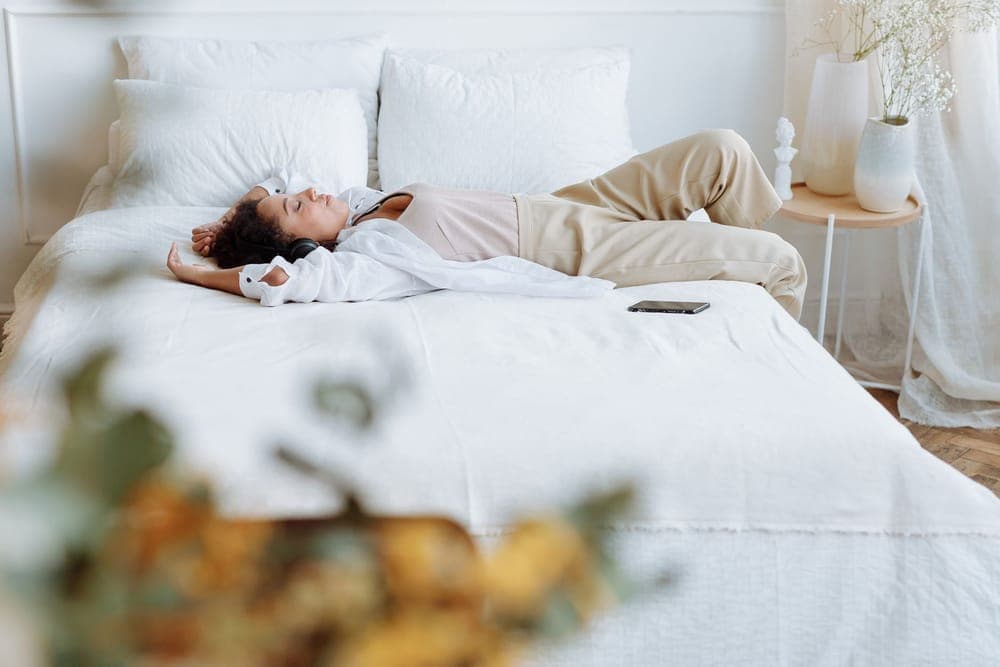
Short answer: yes, if you want to fall asleep to something - audio, masking noise, a podcast - and you want it without filling the room. No, if what you actually want is silence. Sleep headphones are a delivery mechanism, not a blocking device, and the people who come away disappointed almost always bought them hoping they would replace earplugs.
That is the whole answer, and the rest of this page is the detail behind it: what they do well, where they lose to a $5 bag of foam, how long they survive on a pillow, and which of the three formats suits which problem.
What they genuinely do well
- They put the sound in your ears instead of the room. This is the underrated one. If you share a bed, a sound machine is a negotiation and a pair of sleep headphones is not. The same applies to a hotel room, a shared dorm or a partner on a different schedule.
- They make masking personal. You can run brown noise at the exact level that covers your particular problem without filling the room with it, which usually means you can run it quieter than you would a speaker.
- They work for audio you cannot get from a machine. A sleep story, a podcast, an audiobook, a guided meditation. No sound machine does this, and for plenty of people the audio is the thing that actually stops the rumination.
- Some of them cancel. Active noise cancellation is the only consumer technology here that meaningfully attacks low frequencies, which is the part of a snore that defeats passive plugs.
Where they lose, and to what
Three honest failures, in the order people hit them.
They block far less than earplugs. A soft headband has no seal at all - it is a speaker held near your ear by fabric. Even a sealed sleep earbud is usually rated below a well-fitted foam plug. If your goal is attenuation, the comparison is not close, and the honest recommendation is a pack of foam earplugs for a fraction of the price.
Comfort fails before the battery does, or the other way round. Headbands are comfortable and run as long as the paired phone. Earbuds hold a charge for a defined number of hours and then stop, which matters if you wake at 3am and wanted the sound still running. Neither failure mode is obvious until you have lived with it for a week.
They are another thing to maintain. Charging, pairing, firmware, washing the band, replacing tips. A sound machine is a switch. That is not a dealbreaker, but it is a real difference between a device you use for five years and one you abandon in a drawer in March.
The three formats, and who each suits
| Format | How it sits | Who it suits |
|---|---|---|
| Fabric headband with flat drivers | Nothing in the ear canal; a band across the head | Side sleepers, anyone who cannot tolerate an in-ear fit |
| Low-profile sleep earbud | Sealed in the canal, designed to sit flush | People who want masking plus some actual blocking |
| Active-canceling sleep earbud | Sealed, with electronic cancellation on top | Snoring partners and low-frequency household noise |
The format matters more than the brand, and the question that picks it is simple: can you tolerate something sealed in your ear canal for eight hours? If the answer is no - and for a lot of side sleepers it is - a headband is the only one of the three that will still be on your head in the morning. If the answer is yes, buds give you more blocking and more control for the same money.
If you want the model-level comparison rather than the format-level one, that is the job of the sleep headphones roundup and the sleep earbuds roundup.
If you sleep on your side
This is where most sleep-headphone purchases are decided, and it is worth being blunt. Anything protruding from your ear becomes a lever as soon as the pillow is pressing on it, and your own body weight applies that force for hours rather than minutes. Ordinary true-wireless earbuds are unusable for this. Purpose-built sleep buds are much flatter and are usable for many people. A fabric headband removes the problem entirely because there is nothing in the canal to press on.
The same physics governs earplug choice, and we have written it out in detail on earplugs ranked on profile for side sleepers. If you are a side sleeper reading this page, read that one too - it will probably change which format you buy.
The things worth knowing before you wear audio all night
Three, briefly, and none of them is a reason not to do it.
- Volume. All-night playback is a long exposure, and the volume you choose awake is usually higher than the volume you need asleep. Set it so the sound just covers the noise you are masking, then take it down one more step.
- Hygiene. Anything sealed in your ear nightly needs cleaning on the manufacturer’s schedule, and tips need replacing. Stop and speak to a clinician if you get persistent pain, discharge, ringing or any change in hearing.
- Alarms. If you are using cancellation or a sealed bud, work out in advance how you will be woken. Several sleep buds have their own alarm that plays into the earpiece, which is the clean solution; otherwise you want a light-based alarm, and that is what sunrise alarm clocks are for.
The free test before you buy anything
Before spending money on the format question, spend a week answering the prior question: does audio help you sleep at all? Play your intended sound from a phone on the nightstand at low volume for a few nights. If you fall asleep faster, the format question is worth money. If the sound turns out to be irrelevant and the real problem is light, temperature or a racing mind, you have saved yourself a purchase - and the right page is the problem-first index rather than this one.
That is also the honest frame for the headline question. Sleep headphones work. They work at the specific job of getting chosen audio into your ears without disturbing anyone else. Whether that job is the one standing between you and sleep is a different question, and only you can answer it.
If the answer is yes for you, start here
Tap any row to jump to the full write-up. The photographs are licensed stock images chosen to illustrate the category - they are not photographs of these specific products, and each one’s alt text describes what is actually shown.
| # | Product | Best for | The spec that decides it | Price |
|---|---|---|---|---|
| 1 | 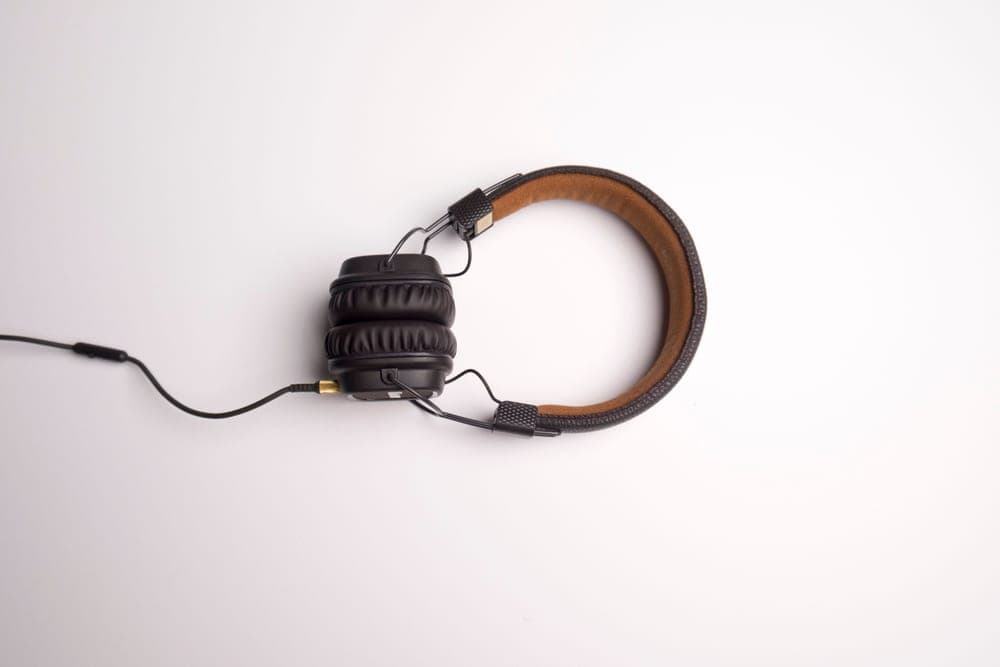 Perytong Sleep Headphones HeadbandFlat speakers in a stretch headband. Nothing enters the ear canal, which is the entire reason to buy it. | Side sleepers who cannot tolerate anything in the ear | Ultra-thin flat speakers inside a stretch fabric band | |
| 2 | 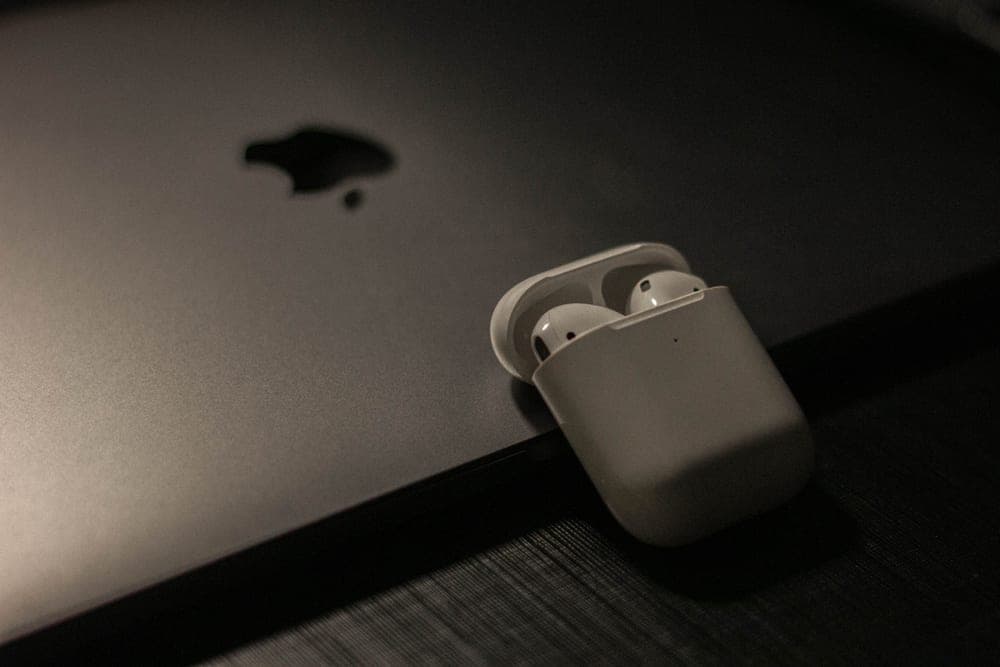 Soundcore Sleep A30The first sleep earbud with active noise cancellation, tuned for the low-frequency rumble that passive isolation cannot touch. | A snoring partner, specifically | Active noise cancellation with adaptive snore masking | |
| 3 | 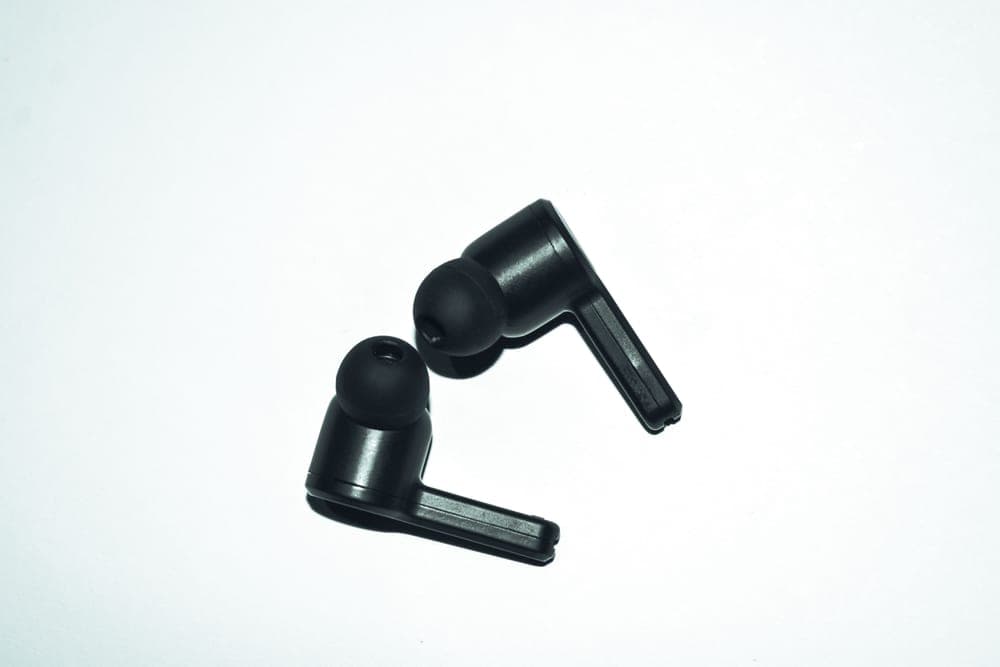 Soundcore Sleep A20Low-profile buds designed to be lain on, with the battery life to actually cover a full night plus a nap. | The value pick in sleep earbuds | 30 dB high-frequency passive noise reduction, 14 h per charge |
We have no live price feed for this site yet, so every button reads “Check price on Amazon” rather than showing a number that could be out of date. As an Amazon Associate we earn from qualifying purchases.
A headband, an active-canceling bud and the cheaper bud in the same family. Three different answers to three different reasons for asking the question.
Our top pick · Side sleepers who cannot tolerate anything in the ear
1. Perytong Sleep Headphones Headband
Flat speakers in a stretch headband. Nothing enters the ear canal, which is the entire reason to buy it.
- Type:
- Bluetooth headband with removable flat speakers
- In-ear:
- No - speakers sit outside the canal
- Blocking:
- Essentially none; this masks rather than blocks
- Care:
- Band washes after removing the speaker modules
What it gets right
- Genuinely comfortable against a pillow - flatter than any earbud
- Cheapest route into sleep audio by a wide margin
- Doubles as a light eye cover if you pull it down
Where it falls short
- Blocks almost no external noise on its own
- Sound quality is adequate, not good
- The band rides up over a long night for some people
Skip it if: You need noise blocked, not covered. This adds sound, it does not remove any.
Pick 2 · A snoring partner, specifically
2. Soundcore Sleep A30
The first sleep earbud with active noise cancellation, tuned for the low-frequency rumble that passive isolation cannot touch.
- Noise reduction:
- Active noise cancellation plus passive isolation
- Snore masking:
- Adaptive - responds to detected snoring
- Profile:
- Low-profile, side-sleeper oriented
- App:
- Yes, with sleep tracking
What it gets right
- ANC targets the low frequencies foam plugs and passive buds both struggle with
- Adaptive masking means the volume is not held constant all night
- Undercuts the premium sleep-bud competition on price
Where it falls short
- Most expensive option in this category by a wide margin
- ANC draws power, so battery life is shorter than the A20
- Feature depth you will never use if all you want is quiet
Skip it if: Your noise is high-frequency - traffic, chatter, a TV next door. Passive blocking handles that for far less.
Pick 3 · The value pick in sleep earbuds
3. Soundcore Sleep A20
Low-profile buds designed to be lain on, with the battery life to actually cover a full night plus a nap.
- Noise reduction:
- 30 dB high-frequency, passive (manufacturer figure)
- Battery:
- 14 h per charge, 80 h total with the case
- Profile:
- Low-profile shell with ear wings, built for side sleeping
- Bluetooth:
- 5.3 - streams any audio source
What it gets right
- Passive isolation plus masking audio is a stronger combination than either alone
- Battery outlasts the night, which most true-wireless buds do not
- Streams anything, so you are not locked into one app's sound library
Where it falls short
- No active noise cancellation - that is the A30
- Passive isolation is weakest exactly where snoring lives, in the low frequencies
- Anything in your ear canal all night is a hygiene commitment
Skip it if: You just want silence. Earplugs block more, cost a fraction, and never need charging.
Questions people actually ask
Do sleep headphones actually work?
For delivering audio or masking noise to one person without filling the room, yes - that is what they are good at. For blocking external noise they are much weaker than a well-fitted foam earplug, and a fabric headband has no seal at all. Most disappointment comes from buying them expecting silence.
Do sleep headphones block out snoring?
Only partially, and only the right type. A headband blocks almost nothing. A sealed sleep earbud blocks some. An active noise canceling sleep earbud is the one option here that targets the low frequencies a snore is built from, which is exactly where passive earplugs are weakest.
Are sleep headphones better than earplugs?
They are different tools. Earplugs block more for far less money and need no charging. Sleep headphones give you sound - masking noise, a podcast, a story - and keep it out of your partner's half of the bed. If you want silence, buy earplugs. If you want something to listen to, buy headphones.
Can you wear sleep headphones every night?
Many people do. Keep the volume low, since all-night playback is a long exposure. Clean sealed earbuds and replace tips on the manufacturer's schedule, and wash a fabric band regularly. Stop and speak to a clinician if you develop persistent ear pain, discharge, ringing or any change in hearing.
Are sleep headphones comfortable for side sleepers?
Fabric headbands are, because nothing sits in the ear canal for the pillow to press on. Purpose-built low-profile sleep earbuds work for many side sleepers. Ordinary true-wireless earbuds are not usable for this - they protrude too far and usually become painful within about twenty minutes.
Will sleep headphones stop me hearing my alarm?
They can, especially sealed buds with cancellation running. Several sleep earbuds solve this with an alarm that plays into the earpiece itself. The alternative is a light-based alarm, which wakes you without needing to beat the seal in your ear.
Sources
- CNN Underscored - The best headphones for sleeping, tried and tested.
- SoundGuys - Best earbuds and headphones for sleeping.
- Anker Soundcore Sleep A20 - manufacturer product listing and specifications.
- Carillo K, Sgard F, Dazel O, Doutres O. Improving low-frequency attenuation of passive earplugs using Helmholtz resonators. Journal of the Acoustical Society of America (IRSST record).
- World Health Organization - Night Noise Guidelines for Europe.
Back to the best white noise machines.
Read next
- Best sleep headphonesThe model-level roundup: headbands against earbuds.Read it
- Best sleep earbudsIf you have decided on the in-ear format.Read it
- Best earplugs for sleepingWhat to buy instead if the real goal is silence.Read it
- Sound machine vs speakerThe other way to get audio into a bedroom.Read it
- Best earplugs to block snoringThe low-frequency problem, handled without electronics.Read it