
How this page is funded: we earn a commission if you buy through the links below, at no extra cost to you. As an Amazon Associate we earn from qualifying purchases. It does not change which products we pick or the order they appear in. Full disclosure.
How these picks were made: by comparing published specifications and clearly-credited public reporting. We do not run a laboratory, we have not measured these products, and we do not claim to have slept with them. Here is exactly how we choose.
A sound machine handles the constant background of an occupied building very well. It does not handle bass, and it does not handle a party. Work out which of those you have before you spend anything.
What a machine genuinely fixes
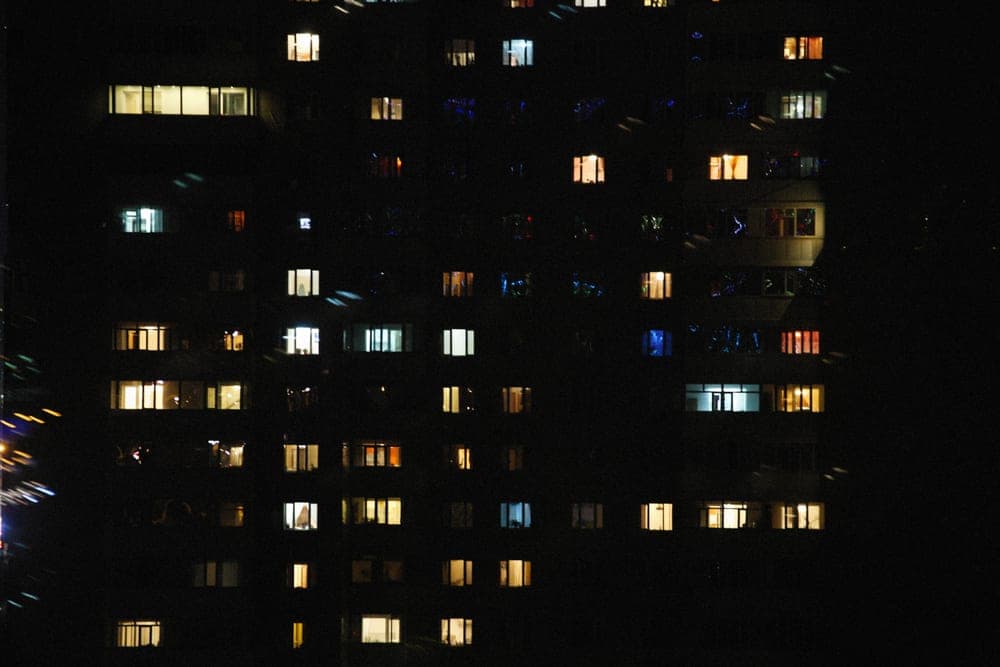
Apartment noise mostly consists of low-level, near-constant sound with occasional spikes: footsteps above, muffled conversation, a TV, plumbing, doors, the general hum of people living nearby. That is close to the ideal case for masking - the sounds are not much louder than a comfortable mask level, and raising the floor genuinely makes them disappear into the background.
For that profile, a digital machine is worth the money and will probably solve your problem outright.
What it cannot fix
- Bass. Low frequencies travel through structure rather than air, so they arrive through the floor and the walls. You feel them as much as hear them, and no amount of masking covers a vibration.
- Genuinely loud noise. A party, shouting, a barking dog at close range. Masking these means running the machine louder than the noise, which is worse than the noise.
- Sudden single events. A door slammed at 2am arrives faster than any mask can hide, though a mask does help you fall back asleep afterwards.
If bass is your problem, the answer is brown noise plus physical blocking, not a louder machine.
The free changes that beat any purchase
These cost nothing and several of them outperform a hundred-dollar machine:
- Move the bed away from the shared wall. The single most effective free change available. Even a couple of feet helps; putting a wardrobe or a full bookcase against that wall helps more, because mass is what blocks sound.
- Add soft mass to the room. A rug, heavy curtains, a fabric headboard. Hard empty rooms reflect sound and make everything sound closer.
- Seal the gaps. Sound leaks like water. The gap under a bedroom door often carries more noise than the door itself - a draft excluder is a few dollars and noticeably effective.
- Put the machine between you and the wall, not on the far side of the bed. The mask should arrive from the same direction as the noise.
- Talk to the neighbor. Genuinely. A lot of people have no idea their floor transmits, and most respond well to being told once, politely.
The layered approach that works
For a bad apartment situation, the combination that actually holds up:
- Bed moved off the shared wall, with mass against it - free
- Brown noise from a digital machine between you and the source
- Earplugs for the nights when the first two are not enough - which to buy
- A light-based alarm so the earplugs do not cost you the morning - see the sunrise alarm guide
That stack costs well under the price of a single premium sound machine and beats it comfortably.
One piece of context worth having
The World Health Organization’s night noise guidance recommends keeping annual average night-time outdoor noise below 40 dB to prevent adverse health effects, and its community-noise guidance suggests under about 30 dB inside bedrooms for good-quality sleep. The threshold associated with waking sits around 42 dB.
That is useful to know for two reasons: it tells you roughly where masking stops being viable, and if you are dealing with a landlord or a building manager, a published international guideline is a more persuasive thing to cite than “it is too loud”.
If the noise is genuinely keeping you awake most nights, the full problem guide covers the non-gear side too.
What to buy, by what you are hearing
Tap any row to jump to the full write-up. The photographs are licensed stock images chosen to illustrate the category - they are not photographs of these specific products, and each one’s alt text describes what is actually shown.
| # | Product | Best for | The spec that decides it | Price |
|---|---|---|---|---|
| 1 | 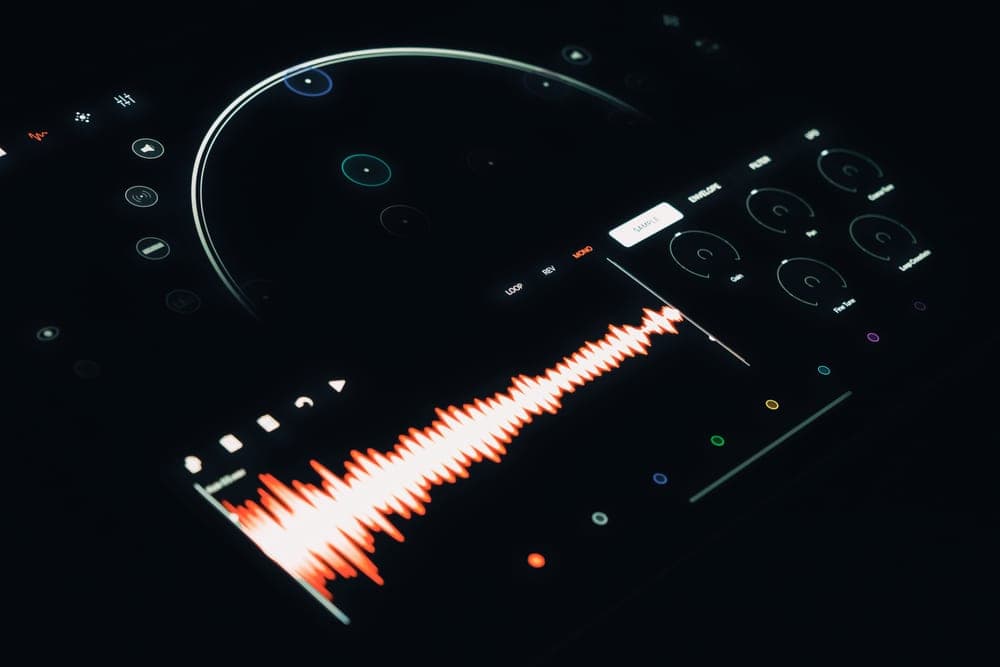 LectroFan EVOThe digital machine that solved the loop problem: 22 sounds generated rather than played back, so there is no seam to notice. | Digital variety without the loop artifact | 22 non-looping generated sounds | |
| 2 | 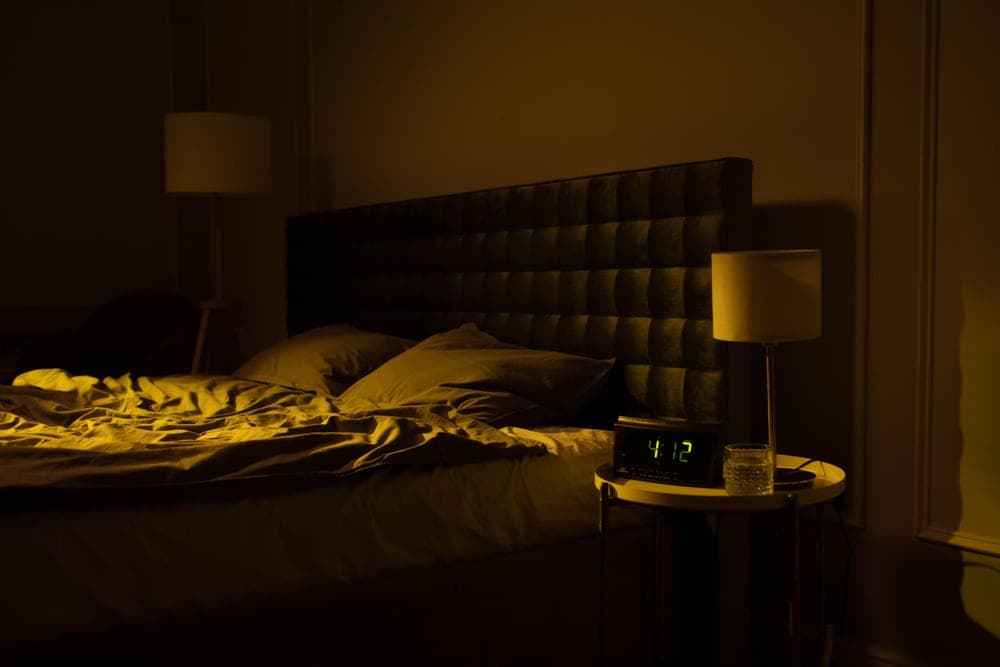 Mack's Ultra Soft Foam EarplugsThe highest-rated foam plug in common retail, at a price where losing one in the sheets does not matter. | Maximum blocking for the least money | NRR 33 dB - the highest rating in this roundup | |
| 3 | 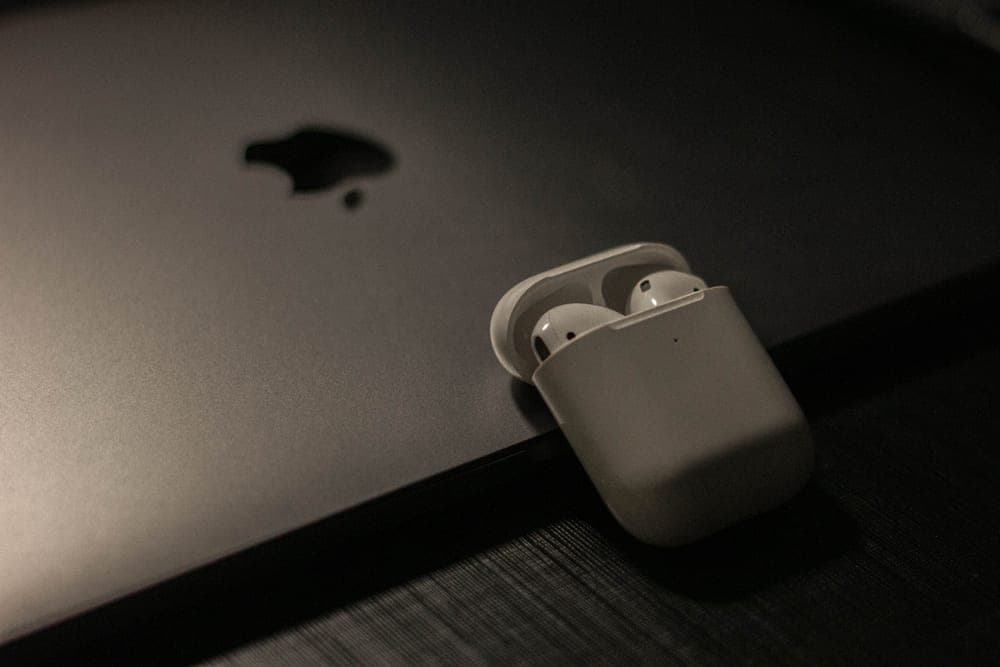 Soundcore Sleep A30The first sleep earbud with active noise cancellation, tuned for the low-frequency rumble that passive isolation cannot touch. | A snoring partner, specifically | Active noise cancellation with adaptive snore masking |
We have no live price feed for this site yet, so every button reads “Check price on Amazon” rather than showing a number that could be out of date. As an Amazon Associate we earn from qualifying purchases.
Our top pick · Digital variety without the loop artifact
1. LectroFan EVO
The digital machine that solved the loop problem: 22 sounds generated rather than played back, so there is no seam to notice.
- Type:
- Digital, non-looping synthesis
- Sounds:
- 22, including white, pink and brown noise plus fan sounds
- Volume:
- Precise stepped control across a wide range
- Moving parts:
- None
What it gets right
- Gives you brown and pink noise, which a mechanical fan cannot
- No motor means no mechanical hum and nothing to wear out
- Compact enough to pack
Where it falls short
- Digital sound is still digital - some people hear it as flatter than moving air
- No app or alarm features
- More expensive than budget machines with far longer preset lists
Skip it if: You specifically want the texture of real moving air. Get the Dohm instead.
Pick 2 · Maximum blocking for the least money
2. Mack's Ultra Soft Foam Earplugs
The highest-rated foam plug in common retail, at a price where losing one in the sheets does not matter.
- Rating:
- NRR 33 dB (manufacturer figure)
- Material:
- Slow-recovery polyurethane foam
- Reuse:
- A few nights each, then discard
- Sold as:
- Bulk packs
What it gets right
- Nothing in common retail blocks more
- Cheap enough to replace constantly, which is also more hygienic
- The soft compound is tolerable for side sleepers once compressed correctly
Where it falls short
- Only works if you roll and insert them properly - most complaints are fit, not product
- Disposable, so there is an ongoing cost and ongoing waste
- At 33 dB you will very likely sleep through a standard alarm
Skip it if: You have to hear an alarm, a child, or a smoke detector. This is the wrong tool for that night.
Pick 3 · A snoring partner, specifically
3. Soundcore Sleep A30
The first sleep earbud with active noise cancellation, tuned for the low-frequency rumble that passive isolation cannot touch.
- Noise reduction:
- Active noise cancellation plus passive isolation
- Snore masking:
- Adaptive - responds to detected snoring
- Profile:
- Low-profile, side-sleeper oriented
- App:
- Yes, with sleep tracking
What it gets right
- ANC targets the low frequencies foam plugs and passive buds both struggle with
- Adaptive masking means the volume is not held constant all night
- Undercuts the premium sleep-bud competition on price
Where it falls short
- Most expensive option in this category by a wide margin
- ANC draws power, so battery life is shorter than the A20
- Feature depth you will never use if all you want is quiet
Skip it if: Your noise is high-frequency - traffic, chatter, a TV next door. Passive blocking handles that for far less.
Questions people actually ask
Do white noise machines work for noisy neighbors?
For the constant background of an occupied building - footsteps, muffled TV, plumbing, doors - yes, very well. For bass through the floor or a genuinely loud party, no: low frequencies travel through structure rather than air, and masking loud noise means running the machine louder than the problem.
How do I block out noise from neighbors when sleeping?
Move the bed off the shared wall and put mass against it - a full bookcase or wardrobe. Add soft furnishing to the room, seal the gap under the door, then add a sound machine playing brown noise between you and the wall, with earplugs for the worst nights.
Why can I still hear bass through a white noise machine?
Because bass arrives through the structure of the building rather than through the air, so you feel it as much as you hear it. Nothing masks a vibration. Mass against the shared wall and physical blocking do more than any machine will.
How loud is too loud for a bedroom?
WHO community-noise guidance suggests staying under about 30 dB inside bedrooms for good-quality sleep, with the threshold for waking around 42 dB. It is also a useful figure to cite if you need to raise the issue with a landlord or building manager.
Where should I put a sound machine in an apartment?
Between you and the noise - against the shared wall rather than on the far side of the bed - so the mask arrives from the same direction as the sound it is covering.
Sources
Back to the best white noise machines.
Read next
- How to block out noise from neighborsThe full problem guide, gear and otherwise.Read it
- Best earplugs for sleepingFor the nights masking is not enough.Read it
- White vs pink vs brown noiseWhy brown is the color for building noise.Read it
- Best white noise machinesThe machines that generate brown noise properly.Read it